


Keeping Your Wafers Spotless During Heating
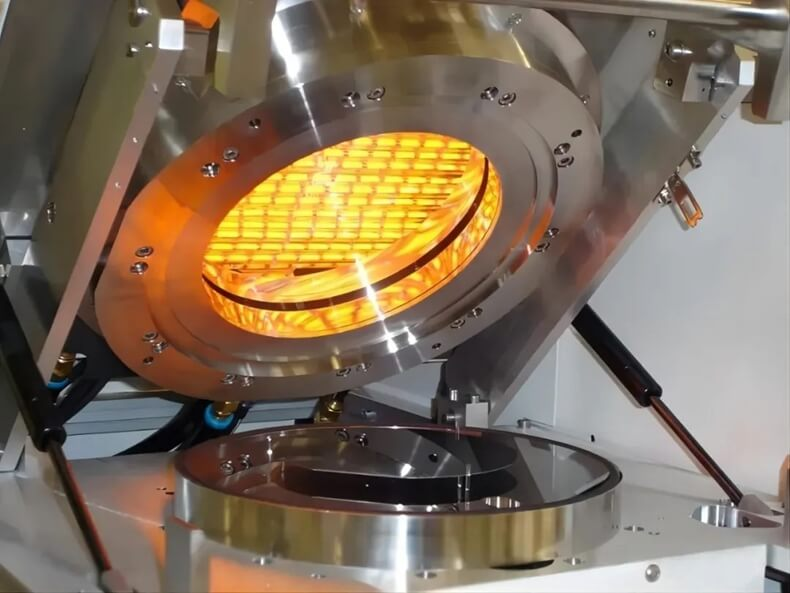
If you’re running a Class 100 cleanroom, you already know the nightmare: one tiny speck of dust or a bit of outgassing, and your whole batch is toast. The problem is that standard IR lamps are often held together with binders or coatings that just… flake. Once they start thermal cycling, they shed particles. Not great. That’s why we stick to high-purity synthetic quartz for our lamps. It just stays put. The secret is in the quartz We use a fused silica envelope with almost zero impurities. Why? Because lower-grade quartz tends to “cloud up” when things get hot. By stripping out the metallic junk, we make sure the lamp doesn’t drop micro-particles onto your wafer while it’s heating up. You get the heat you need, and your substrate stays clean. Simple as that. Finding the sweet spot for distance Getting the distance between the lamp and the wafer right is a bit of a balancing act. Too close? You get hot spots that can warp a thin wafer. Too far? Your ramp-up time drags, and your throughput tanks. It’s frustrating. To fix this, we spec our lamps for precise short-wave emission. This means you keep a high energy density even when you back the lamp off to a safer distance. A few things to watch out for Now, here’s the catch. High-purity quartz is chemically inert, but it’s brittle. Please,do not touch these tubes with your bare hands. The oils from your skin create these tiny stress points. When the lamp hits a rapid heating cycle, those points become cracks, and the lamp burns out way too soon. Same goes for your mounting brackets. They need to be tension-free. If you pinch the quartz in a rigid clamp, the tube will crack the second it tries to expand. Give it some room to breathe. These are designed to be easy drop-in replacements for your baking and curing lines. Just double-check that your power supply matches the wattage so you don’t overdrive the filament.