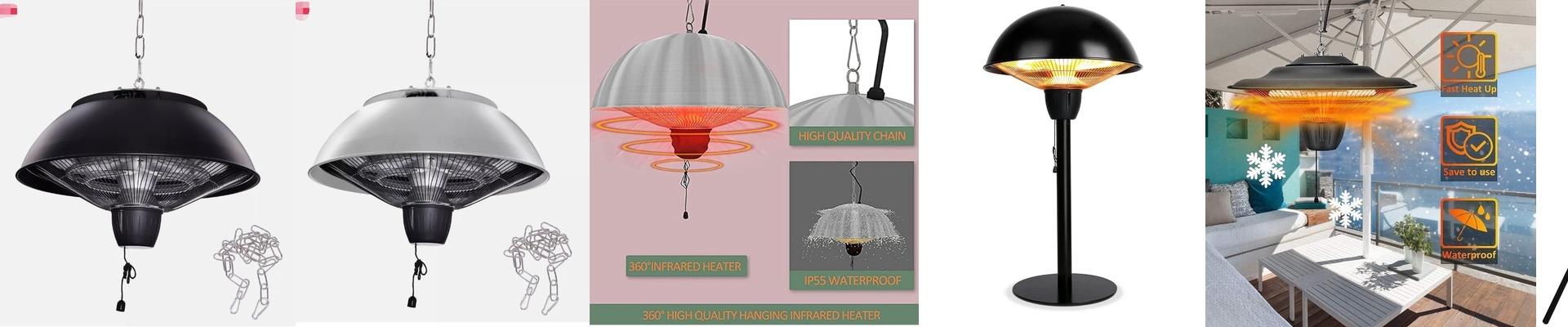
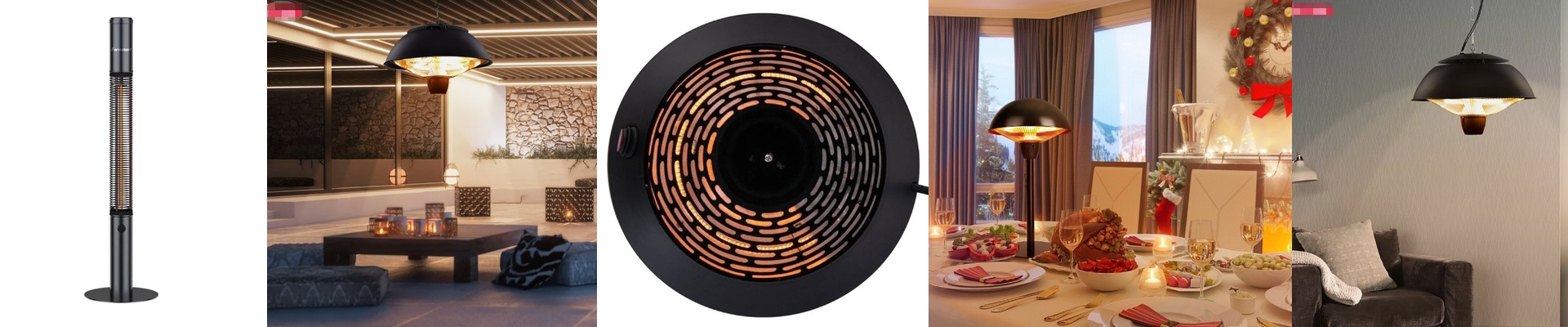
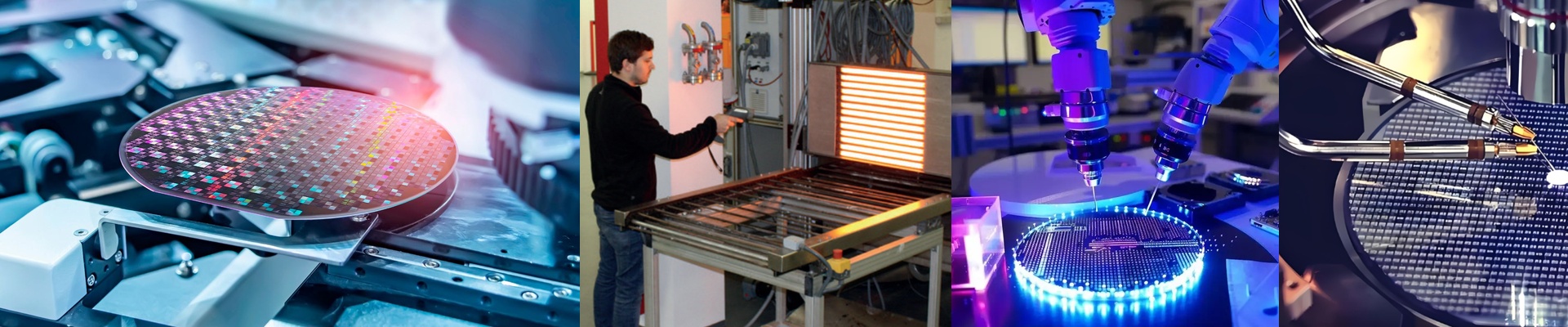
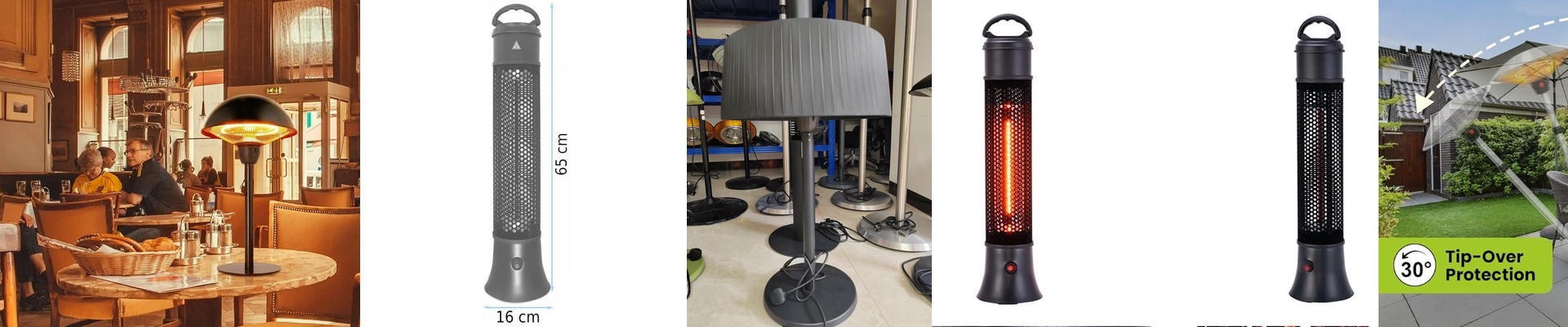
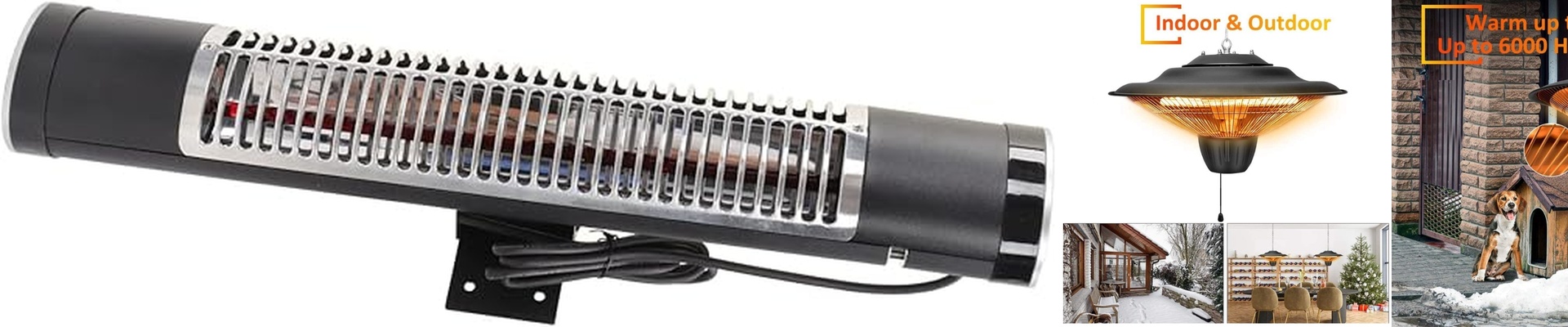
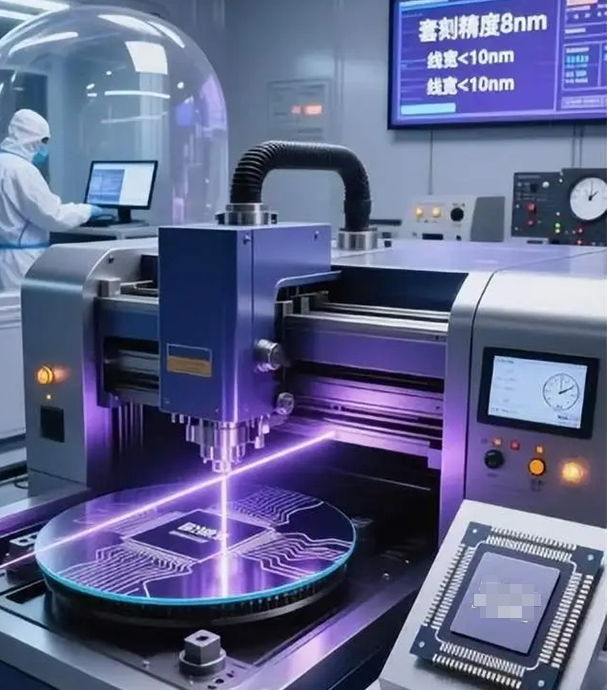
Out on the floor, the flip chip bonder is humming. Pick-and-place cycles, underfill dispenses, and the thermal profile is supposed to stay inside a tight window. When the lamp starts slipping, you know it instantly: cold spots across the substrate, bondline voids, intermetallic variability—and the scrap pile starts to climb. Every minute of temperature drift costs yield. Every unplanned stop costs schedule. We built this flip chip bonding heater lamp for exactly that reality—where the thermal budget is fixed and repeatability is the only outcome that matters.
What actually matters, technically
This lamp is all about controlled radiation and stable thermal delivery. Depending on the process, we spec the emitter as short-wave halogen, medium-wave quartz, or near-infrared (NIR) carbon fiber—chosen to match absorption in the substrate, solder, and adhesive stack. The point isn’t hitting some peak temperature. It’s hitting the same temperature at the bond interface, cycle after cycle. The specs are chosen to fit real production constraints:
- Thermal uniformity: ±0.1 °C across the active zone, measured on a calibrated test coupon under production airflow.
- Photoresist bake compatibility: Soft bake and hard bake profiles repeatable within ±0.5 °C setpoint stability—so lithography-linked thermal steps don’t introduce overexposure or residual stress.
- Cleanroom compatibility: Materials and seals rated for Class 1–100 environments, with construction that keeps outgassing and particle shedding low.
- Particle performance: Zero particle generation during steady-state operation, verified by in-situ particle monitoring at the tool level.
- Reliability: Built for 24/7 operation with zero unplanned downtime targets, backed by life data and controlled maintenance intervals.
- Power and interface: Standard voltages (100–240 VAC) in a compact footprint, with connector options that line up to common bonder and oven modules. The control approach is intentionally straightforward: ramp fast, regulate tightly, settle quickly. The controller holds setpoint despite line fluctuations and shifting thermal loads, and the optics and reflector geometry keep the energy where it belongs—on the bond site, not on the frame.
Why this works where the work happens
Flip chip bonding is precision assembly driven by heat. You control position, force, and time, but the metallurgy and adhesion are set by temperature. If the lamp varies across the array, you get non-uniform reflow and inconsistent underfill cure. If it lags, cycle time stretches and the thermal budget drifts. This lamp attacks those failure modes head-on. Wafer-level and panel-level flip chip Whether you’re running wafers or large panels, the lamp delivers uniform heat with tight edge-to-edge control. That cuts scrap from warpage-induced misalignment and reduces rework from marginal bonds. Process windows widen because the thermal profile stays in spec, lot after lot. Photoresist processing alignment When thermal steps bridge lithography and assembly, the lamp has to behave like a litho tool, not a hot plate. It holds stable setpoints for soft bake and hard bake, giving you consistent photoresist behavior—consistent thickness, consistent line integrity, predictable residue behavior. Fewer defects carry forward into packaging. Cleanroom operation and contamination control In Class 1–100 cleanrooms, particle count is part of the process spec. The lamp’s construction prevents shedding and limits outgassing, so you aren’t chasing excursions caused by the heating source. It’s also built to clean: surfaces and seals are specced for standard cleaning agents and wipe protocols. Uptime and repeatability Production schedules don’t forgive random stops. The lamp runs continuously, with predictable maintenance and stable output over thousands of hours. When the lamp isn’t the variable, you spend less time tuning and more time shipping.
The details that make the difference
No component lives in a vacuum. The lamp performs best when the system around it is set up for it.
- **Airflow matters.**Uniformity depends on controlled airflow around the lamp and substrate. If airflow is uneven, you’ll see local gradients even with a stable lamp. Map the airflow first, then set the lamp.
- **Emitter selection is process-dependent.**Short-wave, medium-wave, and NIR aren’t interchangeable. Match the spectrum to the absorption profile of the materials at the bond interface. If you run multiple material stacks, plan for configurable emitters or a modular lamp head.
- **Integration details.**The lamp needs to align mechanically and thermally with the bonder or oven module. Confirm mounting, clearance, and connector compatibility during installation. Expect a short commissioning period to lock in the thermal profile and validate particle performance.
- **Power infrastructure.**Stable voltage and grounding reduce noise and drift. If your line has high transients, add line conditioning. The lamp is tolerant, but precision starts at the power input. If you’re running flip chip at scale, the heater lamp isn’t an accessory—it’s part of the process control loop. Spec it like it matters, install it with intention, and it will keep the thermal profile honest, shift after shift.
บนชั้นการผลิต เครื่อง flip chip bonder กำลังทำงานอยู่ มีการเดินเครื่อง pick-and-place, การจ่าย underfill และโปรไฟล์ความร้อนต้องคงอยู่ในช่วงที่เข้มงวด เมื่อหลอดไฟเริ่มคลาดเคลื่อน คุณจะรู้ทันทีว่ามีจุดเย็นเกิดขึ้นทั่วแผ่น substrate, ช่องว่างใน bondline, ความแปรปรวนของ intermetallic และจำนวนชิ้นงานเสียจะเพิ่มขึ้น ทุกนาทีที่อุณหภูมิเปลี่ยนแปลงส่งผลต่อผลผลิต ทุกการหยุดที่ไม่ได้วางแผนส่งผลกระทบต่อแผนการผลิต
เราผลิตหลอดฮีตเตอร์สำหรับการ bonding flip chip นี้เพื่อรองรับสถานการณ์ดังกล่าวโดยเฉพาะ ซึ่งงบประมาณความร้อนถูกกำหนดไว้แล้วและผลลัพธ์ที่สำคัญคือความสม่ำเสมอในการทำงาน
สิ่งที่สำคัญทางเทคนิคจริงๆ
หลอดไฟนี้เน้นที่การควบคุมการแผ่รังสีและการส่งผ่านความร้อนที่มั่นคง ขึ้นอยู่กับกระบวนการ เราจะกำหนด emitter เป็น short-wave halogen, medium-wave quartz หรือ near-infrared (NIR) carbon fiber ซึ่งเลือกตามการดูดซับของ substrate, solder และชั้นกาว จุดประสงค์ไม่ใช่การทำให้อุณหภูมิสูงสุด แต่เป็นการทำให้อุณหภูมิที่ interface การ bonding คงที่ในทุกๆ รอบการทำงาน
สเปกถูกเลือกให้เหมาะกับข้อจำกัดการผลิตจริง:
- ความสม่ำเสมอของความร้อน: ±0.1 °C ในพื้นที่ทำงาน วัดจาก test coupon ที่ผ่านการสอบเทียบ ภายใต้การไหลของอากาศในสายการผลิต
- ความเข้ากันได้กับการอบ photoresist: โปรไฟล์ soft bake และ hard bake ทำซ้ำได้ภายในความเสถียร ±0.5 °C ของ setpoint เพื่อให้ขั้นตอนความร้อนที่เกี่ยวข้องกับ lithography ไม่ทำให้เกิดการเปิดรับแสงเกินหรือความเครียดตกค้าง
- ความเข้ากันได้กับห้องสะอาด (cleanroom): วัสดุและซีลได้รับการจัดอันดับสำหรับสภาพแวดล้อม Class 1–100 โดยการก่อสร้างช่วยลดการปล่อยก๊าซและการปล่อยฝุ่นละออง
- ประสิทธิภาพการปล่อยฝุ่น: ไม่มีการสร้างฝุ่นในระหว่างการทำงานที่สถานะคงที่ ตรวจสอบโดยระบบตรวจจับฝุ่นในตัวเครื่อง
- ความน่าเชื่อถือ: ออกแบบให้ทำงานต่อเนื่อง 24/7 โดยมีเป้าหมายไม่ให้เกิด downtime ที่ไม่ได้วางแผน พร้อมข้อมูลอายุการใช้งานและการบำรุงรักษาที่ควบคุมได้
- พลังงานและอินเทอร์เฟซ: แรงดันมาตรฐาน (100–240 VAC) ในขนาดกะทัดรัด พร้อมตัวเลือกขั้วต่อที่เข้ากันได้กับโมดูล bonder และเตาอบทั่วไป
วิธีการควบคุมถูกออกแบบให้เรียบง่าย: เพิ่มความร้อนเร็ว ควบคุมอย่างเข้มงวด และนิ่งเร็ว ตัวควบคุมรักษาค่า setpoint แม้เกิดความผันผวนของสายไฟและโหลดความร้อนที่เปลี่ยนแปลง โดยออปติกและรูปทรงรีเฟลกเตอร์ช่วยเก็บพลังงานให้อยู่ที่ตำแหน่ง bonding ไม่ใช่ที่โครงเครื่อง
เหตุผลที่หลอดนี้ทำงานได้ดีในพื้นที่ผลิต
การ bonding flip chip เป็นการประกอบที่ต้องความแม่นยำโดยใช้ความร้อน คุณควบคุมตำแหน่ง แรงกด และเวลา แต่การเกิดโลหะและการยึดติดถูกกำหนดโดยอุณหภูมิ หากหลอดไฟมีความแปรปรวนในแถว จะเกิดการ reflow ที่ไม่สม่ำเสมอและการบ่ม underfill ที่ไม่เสถียร หากหลอดไฟล่าช้า เวลาในการทำงานจะยืดออกและงบประมาณความร้อนจะเบี่ยงเบน
หลอดนี้แก้ปัญหาความล้มเหลวเหล่านี้โดยตรง
Flip chip ระดับ wafer และ panel
ไม่ว่าจะทำงานกับ wafer หรือ panel ขนาดใหญ่ หลอดไฟนี้ให้ความร้อนสม่ำเสมอโดยควบคุมขอบเขตอย่างเข้มงวด ลดการเสียจากการเบี้ยวตัวที่ทำให้การจัดตำแหน่งผิดพลาด และลดการทำงานซ้ำจาก bonding ที่ไม่สมบูรณ์ หน้าต่างการทำงานกว้างขึ้นเพราะโปรไฟล์ความร้อนยังคงอยู่ในสเปกต์ตลอดล็อต
การจัดตำแหน่งกระบวนการ photoresist
เมื่อขั้นตอนความร้อนเชื่อมโยงระหว่าง lithography และการประกอบ หลอดไฟต้องทำงานเหมือนเครื่องมือ litho ไม่ใช่แผ่นความร้อน ค่าตั้งจุดอุณหภูมิสำหรับ soft bake และ hard bake คงที่ ทำให้พฤติกรรม photoresist สม่ำเสมอ—ความหนาคงที่, ความสมบูรณ์ของเส้นคงที่, พฤติกรรมของคราบที่คาดการณ์ได้ ข้อบกพร่องน้อยลงที่ส่งผ่านไปยังขั้นตอนบรรจุภัณฑ์
การทำงานในห้องสะอาดและการควบคุมมลภาวะ
ในห้องสะอาด Class 1–100 จำนวนฝุ่นเป็นส่วนหนึ่งของสเปกต์กระบวนการ การก่อสร้างของหลอดไฟป้องกันการปล่อยฝุ่นและจำกัดการปล่อยก๊าซจึงไม่ต้องตามแก้ปัญหาที่เกิดจากแหล่งความร้อน นอกจากนี้ยังออกแบบให้ทำความสะอาดง่าย: พื้นผิวและซีลถูกกำหนดให้เหมาะกับสารทำความสะอาดมาตรฐานและขั้นตอนการเช็ด
เวลาทำงานและความสม่ำเสมอ
ตารางการผลิตไม่ยอมรับการหยุดทำงานที่ไม่คาดคิด หลอดไฟทำงานต่อเนื่องพร้อมการบำรุงรักษาที่คาดการณ์ได้และผลลัพธ์ที่มั่นคงตลอดหลายพันชั่วโมง เมื่อหลอดไฟไม่ใช่ตัวแปร คุณจะใช้เวลาปรับแต่งน้อยลงและส่งมอบงานได้มากขึ้น
รายละเอียดที่สร้างความแตกต่าง
ไม่มีส่วนประกอบใดทำงานได้ดีในสุญญากาศ หลอดไฟจะทำงานดีเมื่อระบบโดยรอบถูกออกแบบให้เหมาะสมกับมัน
- การไหลของอากาศมีความสำคัญ ความสม่ำเสมอขึ้นอยู่กับการควบคุมการไหลของอากาศรอบหลอดไฟและ substrate หากการไหลของอากาศไม่สม่ำเสมอ จะเกิด gradient ท้องถิ่นแม้หลอดไฟจะนิ่ง จึงควรทำแผนที่การไหลของอากาศก่อนตั้งค่าหลอดไฟ
- การเลือก emitter ขึ้นอยู่กับกระบวนการ short-wave, medium-wave และ NIR ไม่สามารถใช้แทนกันได้ ต้องจับคู่สเปกตรัมกับโปรไฟล์การดูดซับของวัสดุที่ interface bonding หากผลิตหลายชั้นวัสดุ ควรวางแผนสำหรับ emitter ปรับแต่งได้หรือหัวหลอดแบบโมดูลาร์
- รายละเอียดการรวมระบบ หลอดไฟต้องจัดตำแหน่งทั้งทางกลและความร้อนกับโมดูล bonder หรือเตาอบ ยืนยันการติดตั้ง ความชัดเจน และความเข้ากันได้ของขั้วต่อในขั้นตอนติดตั้ง คาดว่าจะมีช่วงเวลาทดสอบสั้นๆ เพื่อยืนยันโปรไฟล์ความร้อนและประสิทธิภาพการปล่อยฝุ่น
- โครงสร้างพลังงาน แรงดันไฟฟ้าและการกราวด์ที่เสถียรช่วยลดสัญญาณรบกวนและการเปลี่ยนแปลง หากสายไฟมีความผันผวนสูงควรเสริมระบบปรับสภาพสายไฟ หลอดไฟมีความทนทาน แต่ความแม่นยำเริ่มต้นที่จุดจ่ายไฟ
ถ้าคุณผลิต flip chip ในระดับใหญ่ หลอดฮีตเตอร์ไม่ใช่อุปกรณ์เสริม แต่เป็นส่วนหนึ่งของวงจรควบคุมกระบวนการ กำหนดสเปกให้เหมาะสม ติดตั้งด้วยความตั้งใจ และมันจะรักษาโปรไฟล์ความร้อนให้นิ่งในแต่ละกะงาน