
Why a heater that breathes with you matters
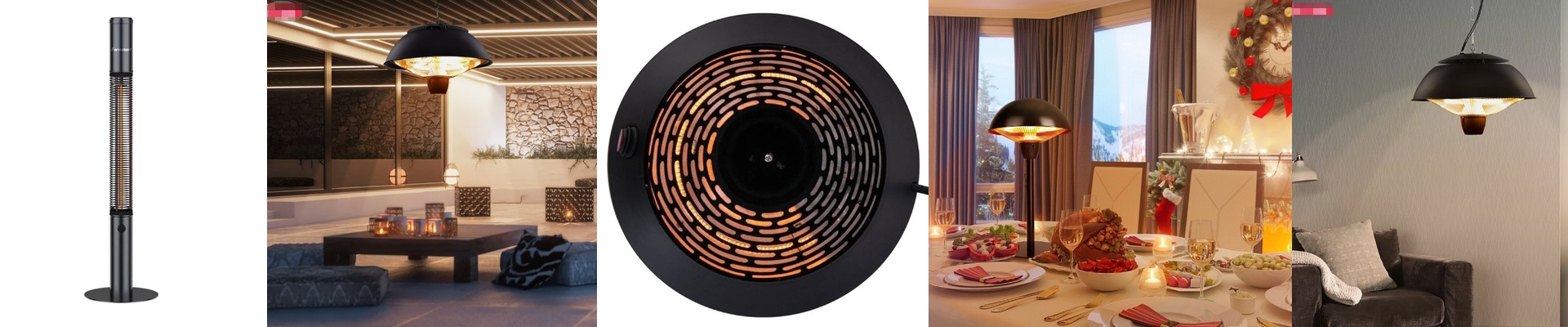
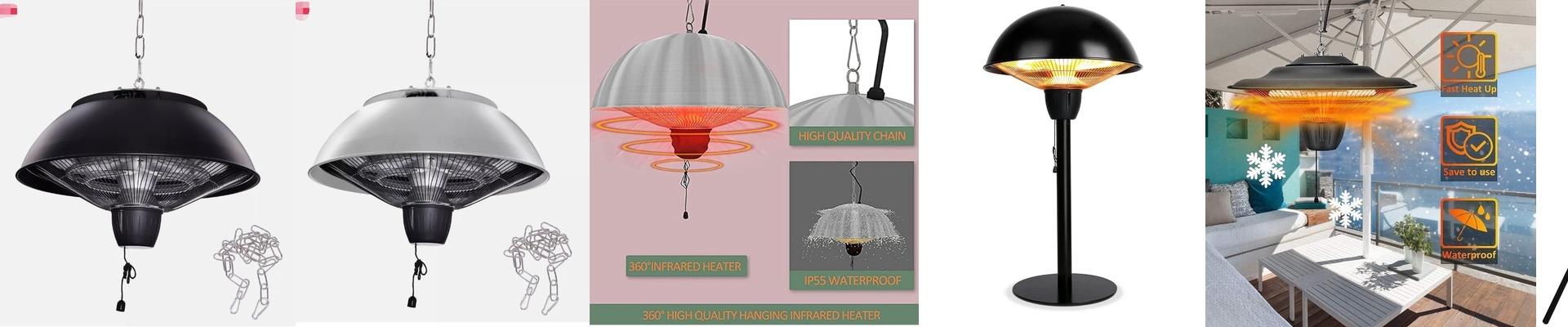
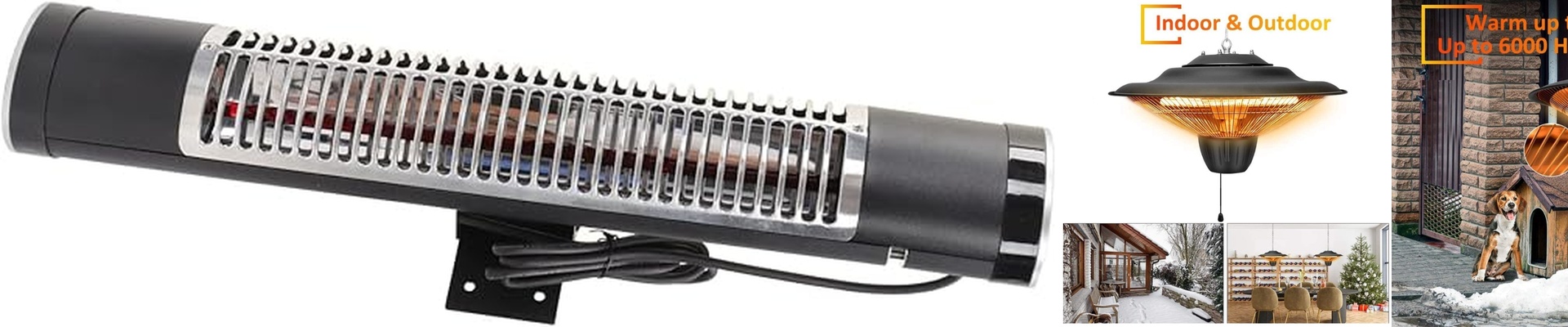
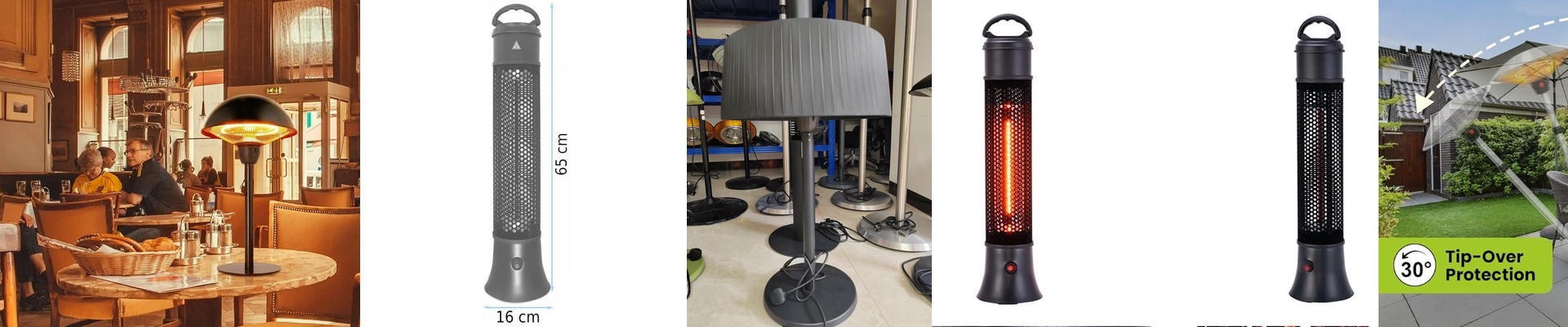
You know that dry, prickly feeling when the heat kicks on? The air gets thin, the humidity drops, and you can feel that constant draft moving around. Especially in a nursery, that’s the last thing you want. So here’s what we built: an electric infrared heater that warms without messing with the room’s air. Traditional heaters pull in oxygen, heat the air, and dry things out. Ours? It radiates warmth straight onto people and objects. No air movement. No oxygen drain. Just quiet, even heat.
Power, voltage, and a footprint that actually fits
We designed this to be fast and focused, without taking over your space. It runs on standard mains voltage, so you can plug it in without rewiring your whole room. The heating element packs a lot of power into a small frame, which keeps the unit compact. That’s the trade-off: high heat density means strong output in a tight spot, so the surrounding parts need to handle the warmth. Just give it some clearance when you choose the mounting spot—easy, and worth it.
Halogen core, R7s connection: built to stay steady
Inside, you’ve got a halogen-filled quartz tube. The halogen gas keeps the filament stable, so the heat stays consistent over time. The quartz holds up against quick temperature shifts without cracking under stress. And the R7s connector? It locks the tube in place with solid contact, handling high current without getting loose. Installation is straightforward: line up the pins, seat the tube, tighten the end caps. Done.
Where it shines: quiet rooms that need clean air
This setup was made for places where air quality and silence are essential—nurseries, medical rooms, precision labs. The infrared warmth arrives instantly, and because it doesn’t consume oxygen, the air stays exactly as it should. For anyone designing or specifying a system, it means predictable performance: steady output, almost no air movement, and a design that fits neatly into tight, enclosed spaces. It’s CE-approved, meeting recognized safety standards for electrical and thermal protection. If you need a heater that warms people and equipment without stirring up the air, this is the practical, code-compliant way to do it.