

Let’s talk about the power behind the warmth.
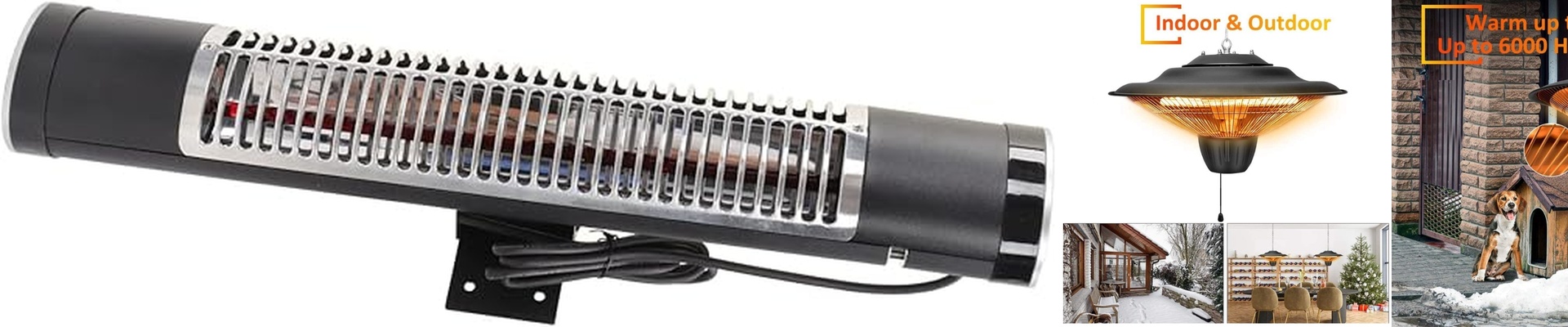
We built this new infrared heater for places like open-air restaurants—where the whole point is to warm people, not the empty air around them. The heart of it is a 2500W output, wired into a 400V circuit. And we chose this setup on purpose. Here’s the thing: running on 400V means it pulls less amperage than a standard 230V unit for the same wattage. That puts less strain on your wiring and keeps voltage drop to a minimum, even over longer cable runs. And with a 300mm tube, all that power gets focused into a tight footprint. It delivers a serious burst of heat exactly where you need it.
Built to last, from the inside out.
Inside the tube, you’ve got a halogen-filled quartz envelope. This design keeps the heating element steady, even when it’s switched on and off quickly. It also handles the shock of weather changes without a problem. The quartz glass sends that infrared energy straight out, skipping the air and giving off a warm, natural feeling. For the ends, we went with an R7s connector. It’s a standard industrial fit, so you can just wire it in as a direct replacement for what you already have. It’s practical, reliable, and it means no flickering or unexpected burnouts.
The real-world payoff: keeping your space usable.
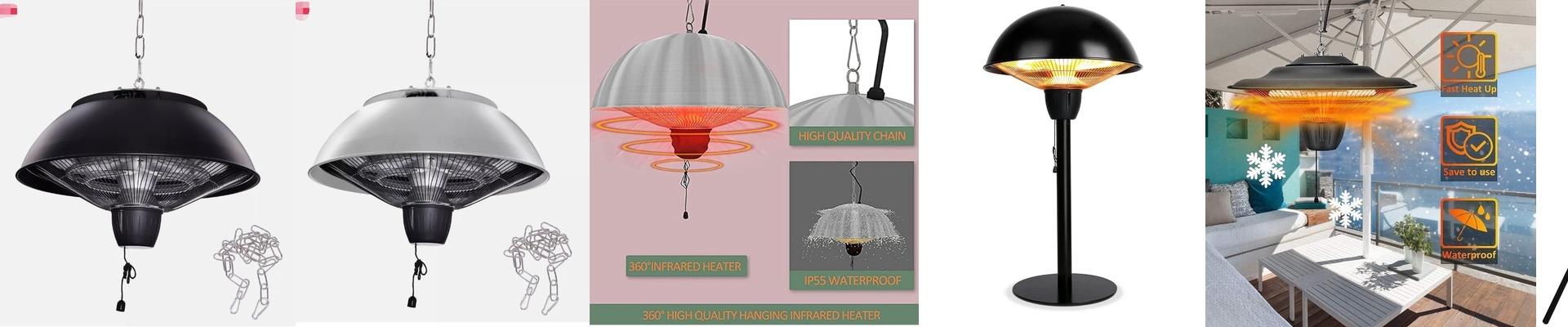
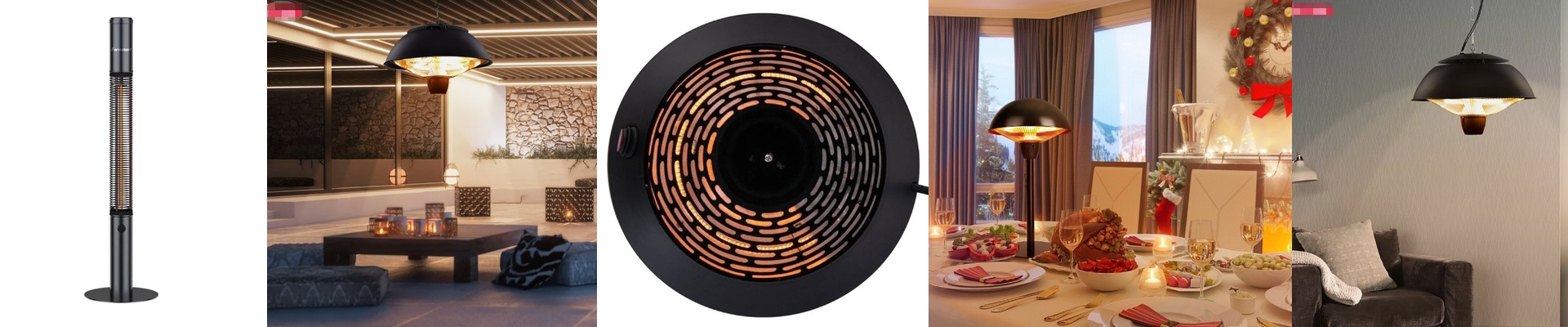
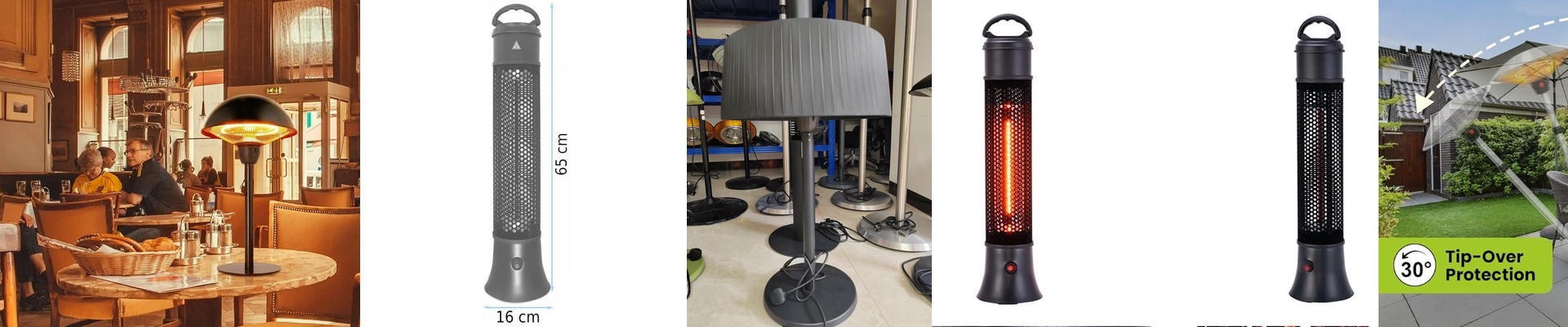
For an outdoor restaurant, this heater’s job is simple: carve out a cozy thermal zone. The 2500W is sized to cover individual seating areas, so you can zone the heat exactly where you need it—without wasting energy on empty spots. That precision keeps tables usable on cold nights, which means higher occupancy and faster turnover. But there’s a trade-off, because this unit runs hot. You have to keep proper mounting clearance from anything combustible, and make sure the surrounding electrical setup is rated for the 400V load. We build these to take a beating, but you still need to plan the installation right.