


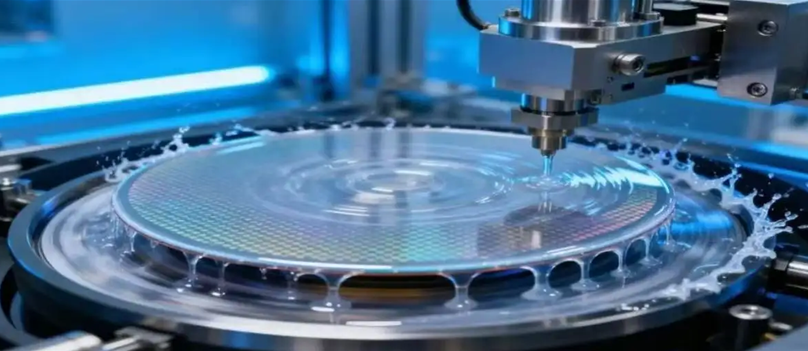
Getting the Heat Right for Hydrogen Sensors
Making hydrogen sensors is all about the heat. If you don’t get a dense, precise burst of thermal energy onto that wafer, your materials won’t bond, and the whole batch is a waste. To fix this, we use specialized heating lamps and gold-coated reflectors. It sounds fancy, but the goal is simple: make sure every bit of electricity you pay for actually hits the substrate instead of just warming up the room. Why the gold? Most reflectors are a bit leaky. They absorb too much energy, which is a waste. We go with gold because it’s incredible at bouncing infrared light. Aluminum or polished steel just can’t keep up. With gold, more photons head straight back toward the wafer. You get a tighter focus and a thermal profile that’s actually consistent across the whole surface. No guessing games. The balancing act When you’re picking out heaters, you’re basically looking at the wattage versus the surface area. High-wattage lamps are great because they ramp up fast. But there’s a catch. They create intense, localized heat. If you crank up the power without the right reflector geometry, you’ll end up with hot spots. That’s how you warp a wafer or ruin the sensor’s sensitivity. It’s a delicate balance. The reality of the hardware Now, gold is great for efficiency, but it’s not invincible. In a cleanroom, it usually holds up fine. But if you get chemical contamination or a few deep scratches on that layer, your efficiency drops instantly. That’s why the cleaning routine is so important. If the coating starts to pit or peel, you’ll find yourself cranking up the power just to make up for the energy you’re losing. It’s a losing battle. If your current power supply can handle the voltage for high-output lamps, these systems should slide right into your existing line without any drama.