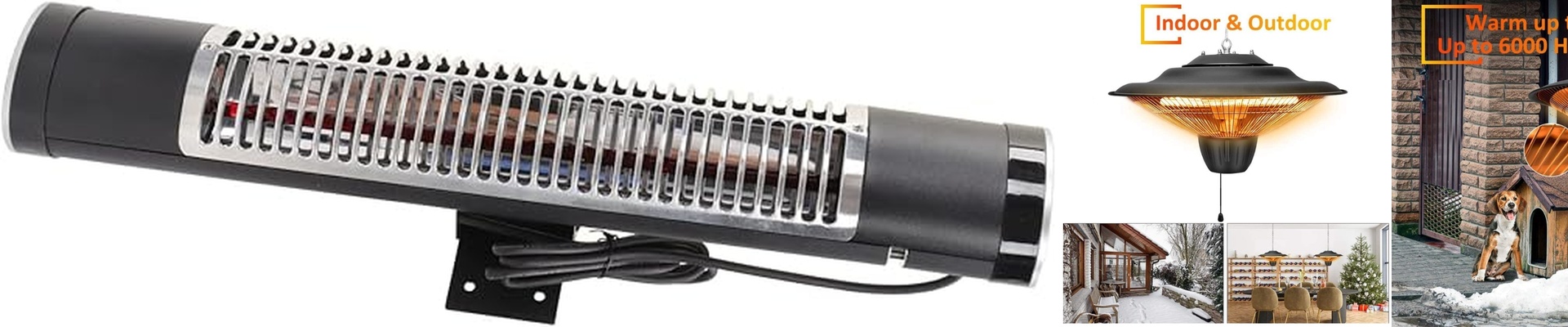
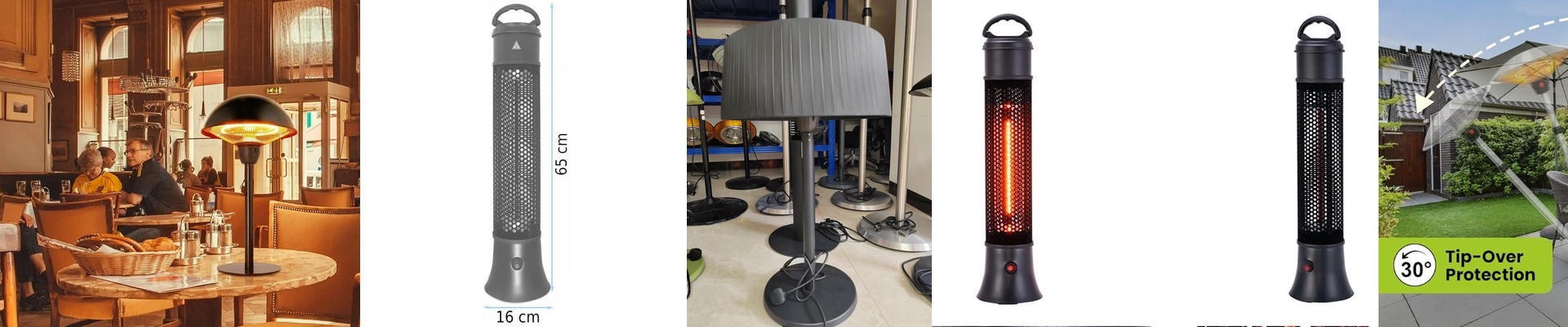
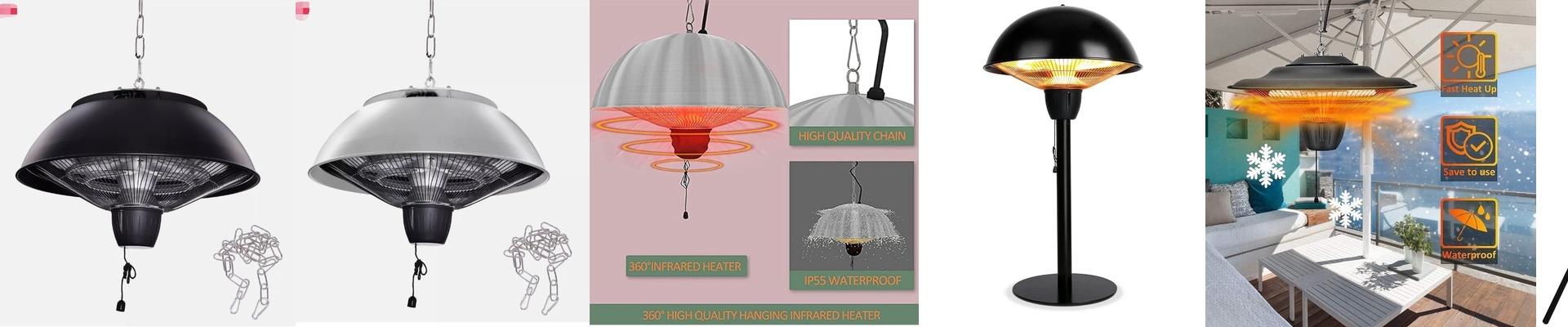
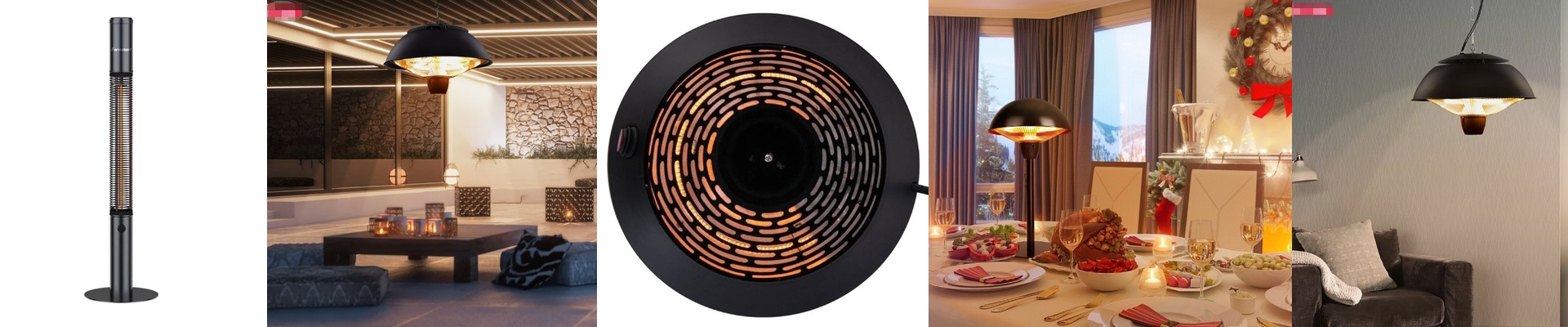
Step into a hotel room on a cold evening and you want heat that shows up fast, feels even, and doesn’t eat power for breakfast. With infrared heating, the gap between a narrow hot spot and a genuinely comfortable room usually comes down to the reflector. We shaped that reflector using geometric optics so the beam spreads cleanly, instead of throwing a bright stripe across one spot and leaving the corners cold. The payoff is radiant warmth you actually feel across the space, not just down one tight lane.
What matters under the hood
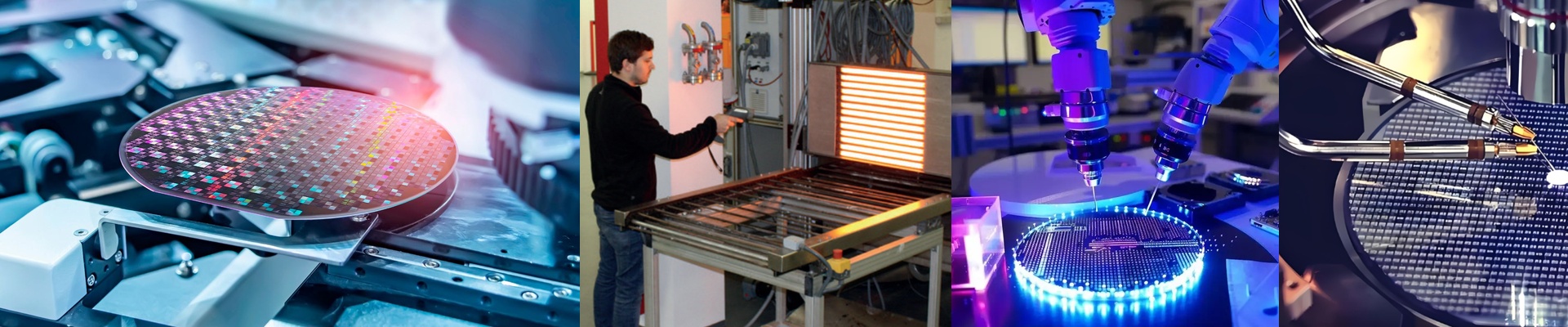
Infrared heaters deliver comfort by radiating heat straight to people and surfaces, not by trying to warm the air first. Our reflector is formed and micro-faceted to steer the light path precisely—more energy goes forward, less bleeds off to the sides. That evens out the distribution and cuts the input power needed to hit the same perceived warmth. Then we match it with a high-efficiency emitter—quartz or carbon fiber, depending on the model—and a thermostat that holds output steady. In practice, you get quicker warm-up, a stable feel, and quiet operation.
Why this fits a hotel room
In a hotel, comfort has to be immediate and consistent. Guests want warmth that doesn’t take forever to arrive, and they shouldn’t have to chase the thermostat all night. The optimized reflector spreads infrared warmth evenly, so the bed, the desk chair, and even the bathroom door feel noticeably more comfortable. Because the system leans on radiant heat, it doesn’t dry out the air the way forced-air setups can, and energy use stays sensible. For staff, fewer temperature swings translate into fewer service calls and more predictable performance.
The practical details
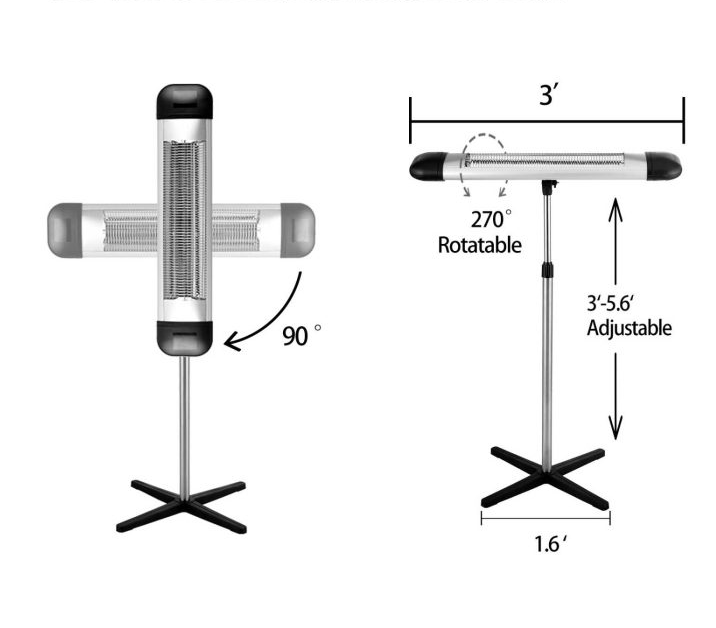
Infrared heating does its best work when people and objects are in the main beam, so placement matters. Aim the unit toward the primary seating area and keep a clear line of sight so warmth reaches where guests actually spend time. Also, check local electrical codes and outlet ratings before installation, and never cover the heater or block airflow. Infrared heat feels natural and fast, but it won’t warm unoccupied corners the same way convection does—so in a very drafty room, pairing it with a small backup makes sense.