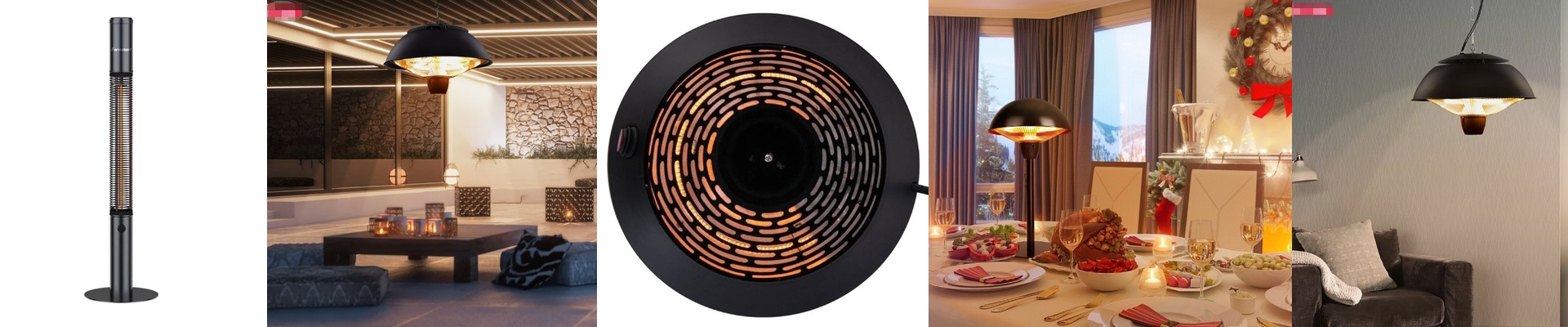
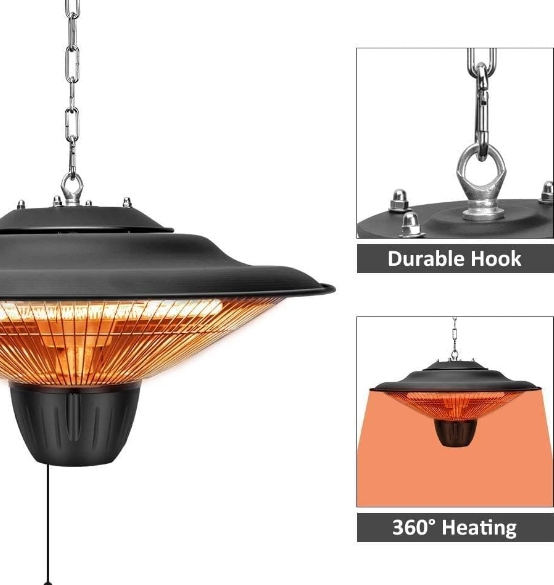
How Infrared Warms Art Without Even Touching It
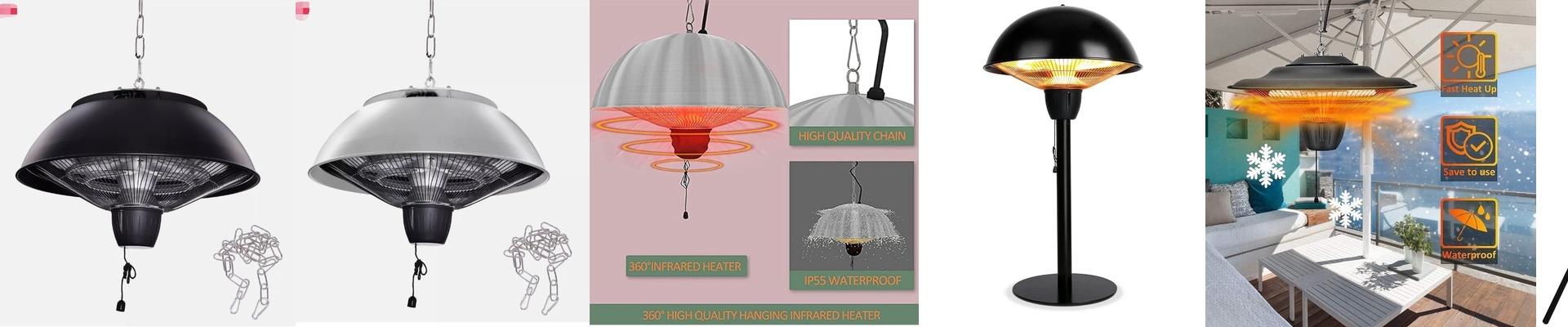
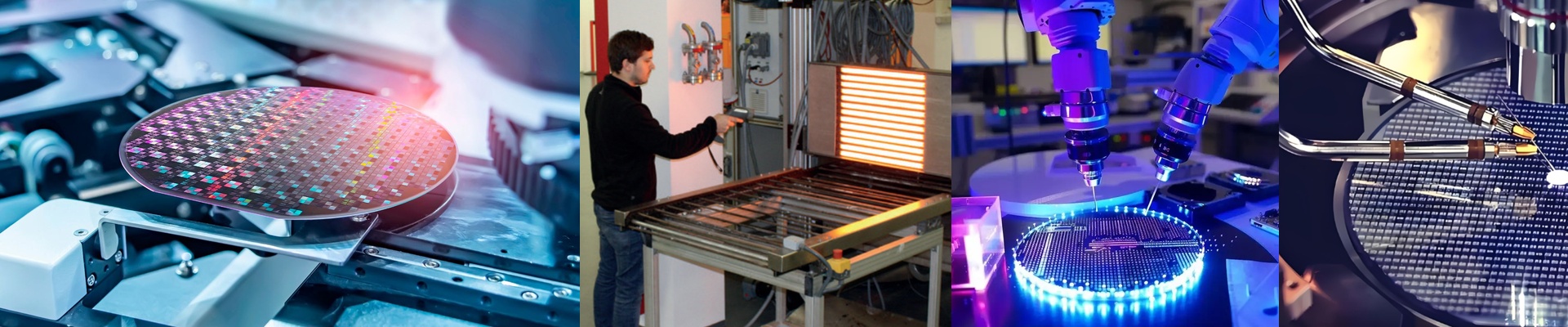
We built these flameless heaters for art galleries and museums. Because when you’re protecting priceless pieces, there’s no room for compromise. Here’s how it works. An infrared lamp sends heat straight to the people and objects that need it—skipping the air in between. So you get warmth exactly where you want it, without stirring up dust or sending temperatures on a rollercoaster. For conservators, that means steady, controllable heat that keeps delicate materials safe.
Power, Voltage, and a Small Footprint
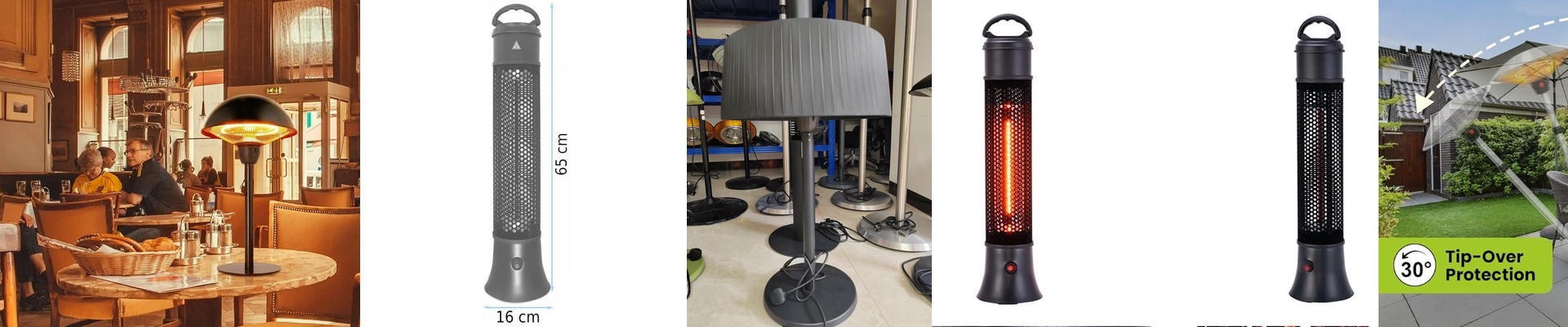
We design these heaters to pack a punch in a tight space. The halogen infrared lamps run on standard 220–240V power, and the tubes are short—about 150–300mm. That makes them easy to drop into discreet housings above or below display cases, without reworking the whole gallery. They respond quickly and hold tight control because the wattage is dense in a small package. But that also means your electrical circuit needs to be up to the task. These units draw serious current when they run full-out, so plan your load carefully.
Why Quartz and the Right Connector Make a Difference
We use quartz halogen elements because they handle rapid heating and cooling without breaking a sweat, and they stay steady over years of use. The quartz envelope can take high heat, and it won’t off-gas anything that could harm artwork. The R7s base is the standard for linear halogen tubes, giving a secure, low-resistance connection—and making replacements quick when needed. We pair that with tough ceramic or metal housings to manage heat and keep the lamp surface under control, so there’s less worry around flammable materials.
Clean Heat, Built for Sensitive Spaces
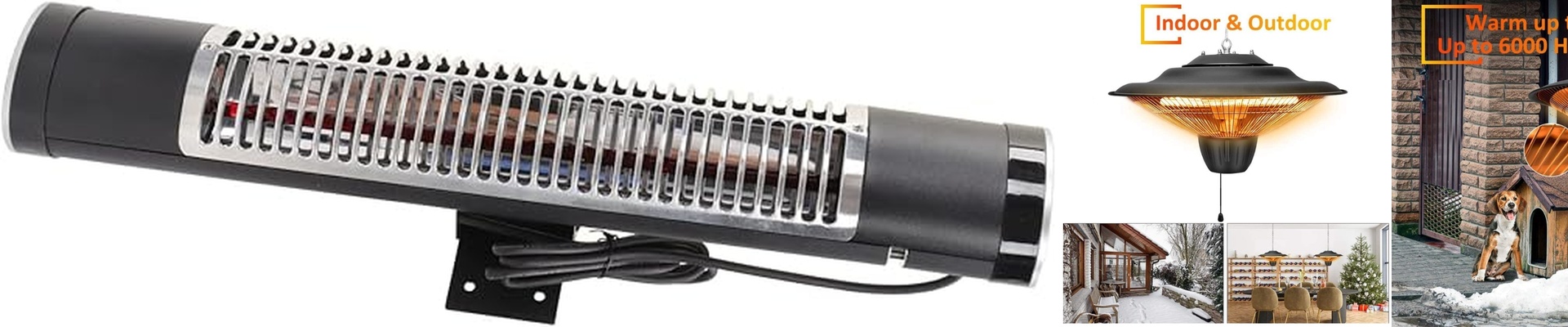
In real life, this setup gives you heat with zero combustion and no open flame. No soot. No odor. No oxygen depletion. The beam can be shaped to focus warmth on visitors and display areas, while keeping nearby walls and artifacts at stable temperatures. Installation is straightforward: hardwire it, aim the beam, and set the controls. Just keep in mind it’s line-of-sight heating—if something gets in the way, the warmth is blocked. So a bit of planning up front goes a long way. For engineers and facility managers, it’s a direct, controllable heat source that respects conservation needs. Predictable performance. Clean operation. Minimal maintenance. **One important note:**Always follow local electrical codes, and get a licensed electrician to help with circuit sizing and installation.