
Cubicle Heater Wiring: Why OEM-Grade Lead Seals Keep Your Heater Alive When the Heat Is On
We build cubicle heaters for industrial panels, and here’s the part that surprises a lot of people: when things get hot, the element usually holds up. What actually fails first? The lead seal. When terminals bake under that heat, insulation starts to crack. Moisture sneaks in. Then you get a short that shuts the whole line down. Frustrating. Expensive. And totally avoidable.
Power, Voltage, and Size: What It All Means in the Real World
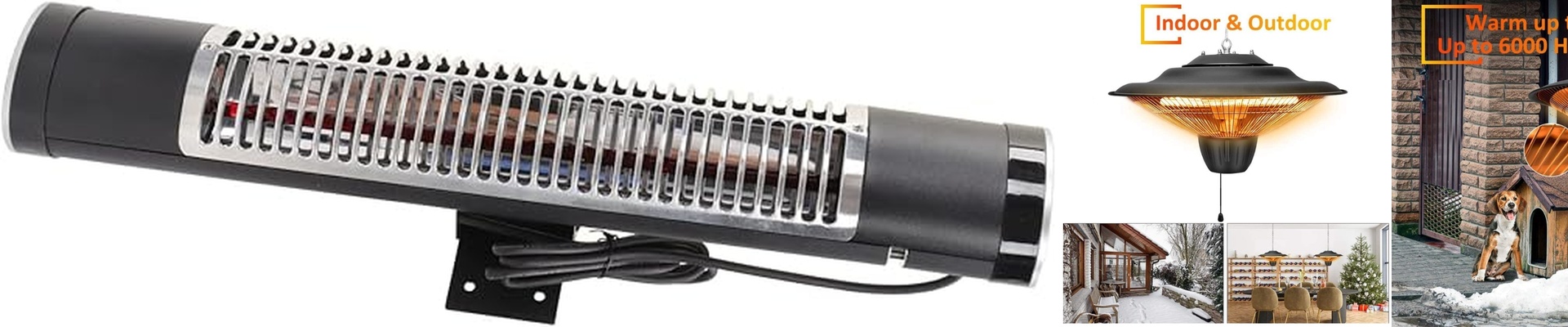
With cubicle heaters, you’re packing serious heat into a small footprint. You need enough wattage to ramp up temperature fast, but the heater still has to fit into a tight space without crowding other gear. Voltage isn’t chosen at random. A 400V input delivers more power without forcing you to run oversized wiring. That keeps everything compact and helps cut down on voltage drop across the cabinet. Length matters too. It depends on the layout of the cubicle. A shorter heater can be mounted closer to the target, but it also pushes more watt-density onto the surface. That drives up temperature right at the terminal block and where the leads exit—exactly the spots that are hardest to keep reliable.
Lead Sealing: The Unsung Hero That Keeps Your Heater Running
The lead exit is a weak point. No way around it. Thermal cycling makes insulation expand and contract, and every bend is a fatigue point. OEM-grade sealing uses a high-temperature compression seal that locks the conductor entry, then pots the joint to block airflow and moisture. This isn’t just “better insulation.” It’s a controlled interface that keeps the hot zone contained and the electrical side protected. Without that seal, you start seeing carbon tracking along the insulation, oxidation at the terminal, and eventually a path to ground. The result? Premature failure—often right when your process temperature is peaking.
What This Looks Like on the Floor
When you’re running an industrial process, reliability comes down to uptime. The sealed lead design cuts down field failures caused by thermal aging and contamination, so your maintenance stays predictable. Installation is straightforward: mount it, wire it, and seal it. Now, there’s a trade-off. Higher watt density and tight sealing mean the heater body runs hotter. So plan your cabinet ventilation and keep your clearances. If you spec the heater right and manage the airflow, you get steady heat without chasing intermittent shorts. And that means one less headache when you’re trying to keep the line moving.