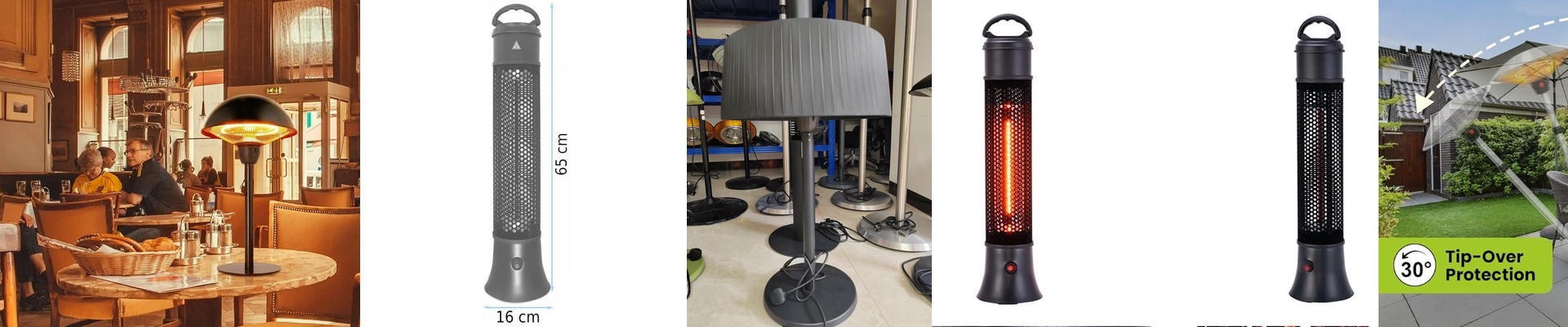
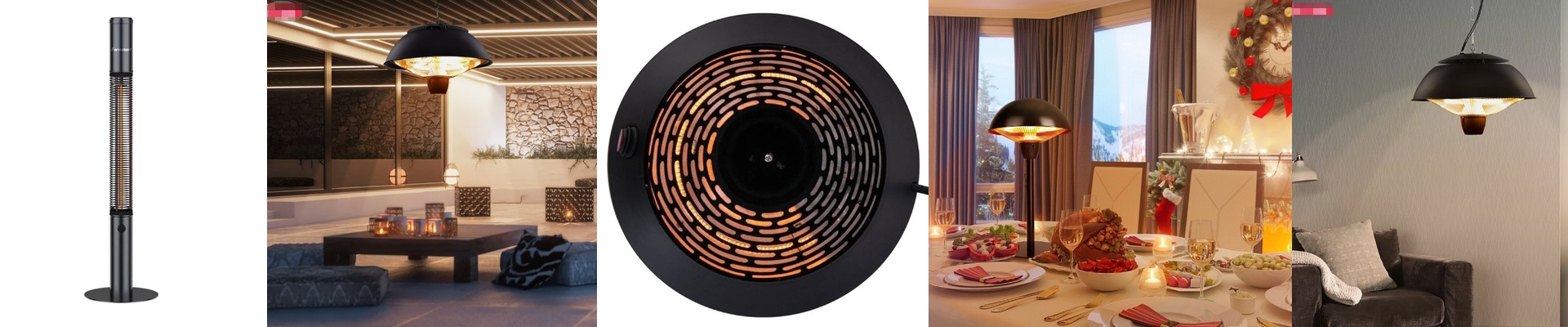
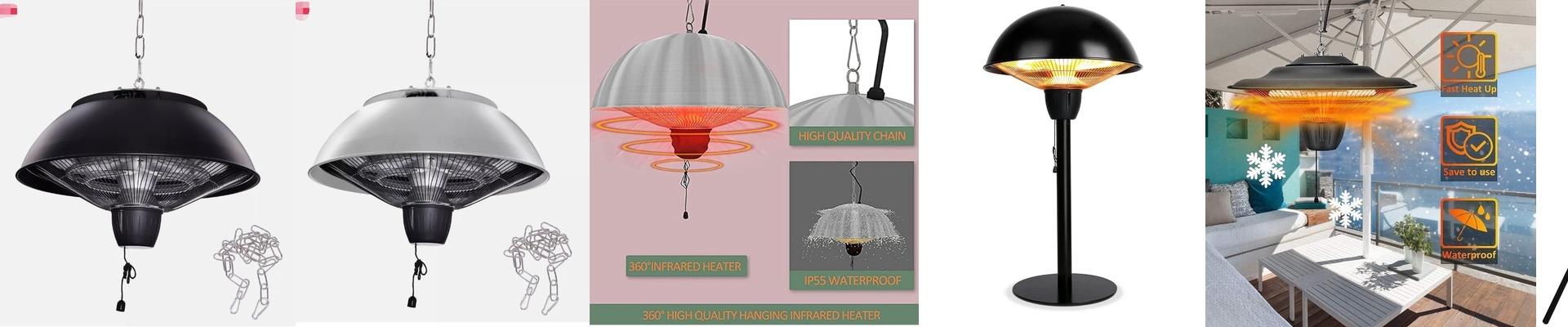
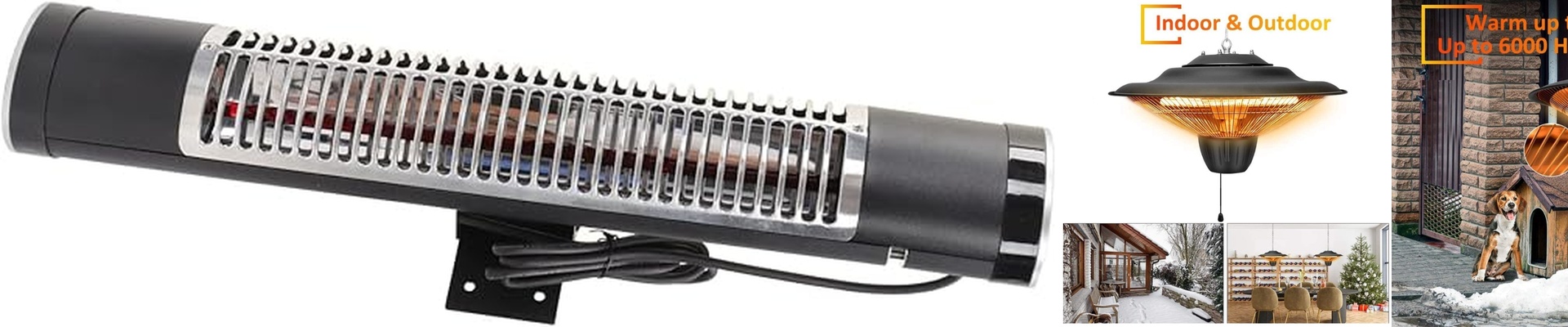

How This Heater Warms You, Not Just the Air
Here’s the idea behind this living room heater: we wanted to mimic the sun. Seriously—like standing in a warm patch of afternoon light, but indoors. It uses a halogen element inside a quartz tube to create shortwave infrared (IR-A). That light doesn’t just warm the air around you. It goes deeper—right through your skin and into muscle—so you feel the heat where it matters. The payoff? You get that deep, comforting warmth almost instantly. And it doesn’t feel surface-level. It feels like your whole body is loosening up.
The Power Behind the Warmth
This thing is built to deliver focused heat, consistently. The halogen tube runs on 220V–240V, and that power translates into real heat density—right away. Even though the tube itself is compact, the wattage is no compromise. We designed it to pack a punch in a small footprint. High wattage, short tube, concentrated warmth. Simple physics, applied intentionally.
What It’s Made Of—And Why It Matters
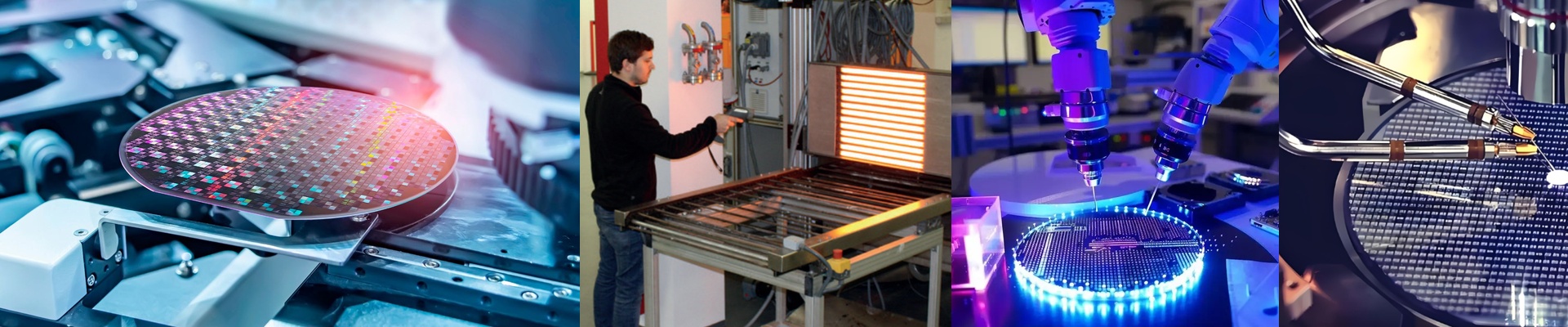
Inside, the halogen element lives in a quartz tube. Quartz can handle serious heat, and it lets infrared pass through cleanly. That means the filament can run hotter and cleaner than a standard wire element. And the halogen cycle does its part too. It keeps the filament stable, so the lamp stays bright and consistent over its life—no blackening, no fading output. For the connection, we went with an R7s connector. It’s a double-ended base that holds the lamp securely, handles the high current, and makes replacement easy when it’s time. Just pop it in and you’re good.
How It Helps—Especially on Tired Days
That shortwave infrared reaches into muscle and connective tissue. As it heats things up, it boosts local blood flow, which helps clear out the buildup that comes with strain. If your joints feel stiff or your muscles are worn out, that improved circulation can ease the discomfort. You can feel it—less tightness, more ease. One thing to keep in mind: this is intense radiant heat. It’s meant to be positioned at a safe distance so you get the warmth without overheating the surface right in front of it.