
Quartz Infrared Heaters: The Logic Behind Heat That Just Works
Here’s what we set out to do: build an infrared quartz heater you can actually rely on. Something tough enough for the shop floor, but smart enough to deliver steady, precise heat without costing you a fortune. We sweated the details—the physics of how heat moves, and the real-world reality of bolting it into your machines.
Power, Voltage, and Size: Packing a Punch in a Small Space
We designed these heaters to deliver serious heat in a compact footprint. The wattage and voltage are tuned to give you focused warmth exactly where you need it, right away. Take the 400V setup, for example. It’s the natural choice for industrial work where power isn’t optional. You get a lot of heat per inch of tube, so you can warm a specific zone quickly without having to over-engineer the whole system. And the dimensions? They’re made to drop right into standard industrial housings. No need to redesign your machine. Just swap in a proven part and get on with your day.
Why Quartz? And Why the R7s Connector?
At the heart of it is the quartz tube. It can handle brutal temperature swings—going from room temp to full heat in seconds—without cracking. That matters when your machines are cycling on and off all day. Inside, the infrared element throws heat directly where it’s needed, line-of-sight. It’s way more efficient than trying to warm the whole air around it. Then there’s the R7s connector. It’s the unsung hero. A solid, two-ended connection that’s secure and easy to wire. It’s built to hold up in vibrating machines, preventing arcing and keeping the contact reliable for the long haul.
Real-World Heat for Real-World Problems
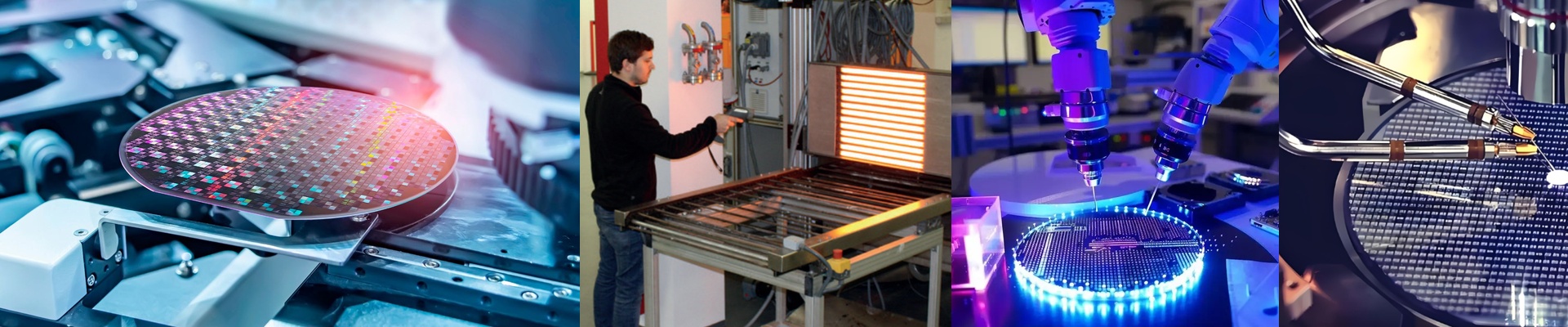
This setup shines when you need heat fast and under control. That high heat density means quick response—perfect for jobs like heating plastic or curing finishes. But here’s the thing: that kind of focused power creates serious localized heat. So your machine’s cooling and insulation need to be up to the task. We make the heater a straightforward drop-in replacement, but you’ve got to make sure the surrounding parts can handle the heat. That’s how we deliver a heating solution that’s reliable, cost-effective, and ready for the demands of your shop floor.