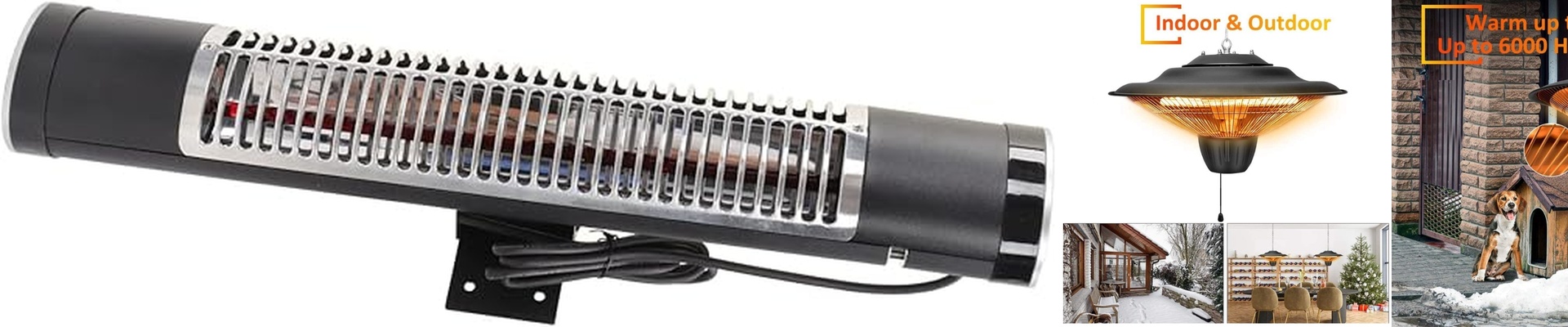

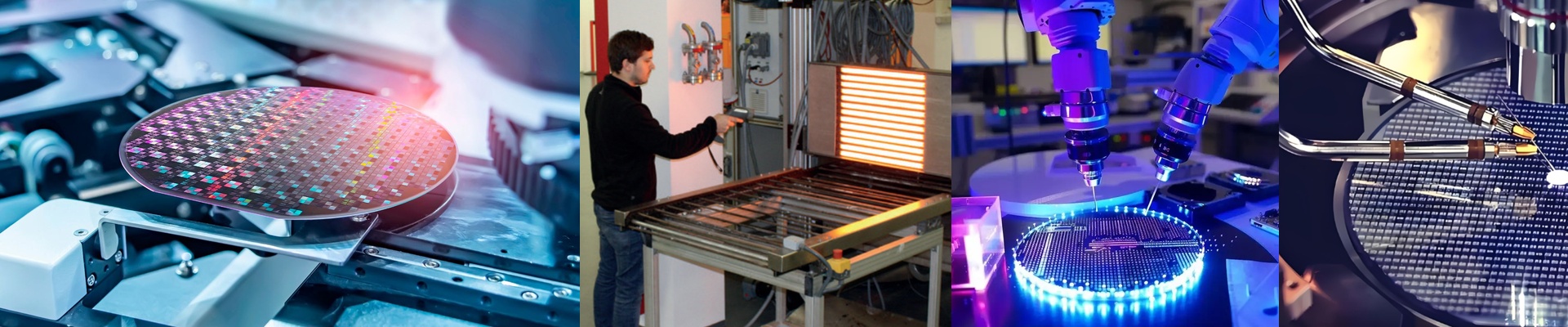
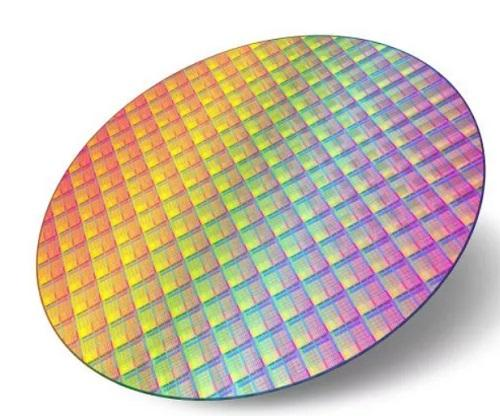
On the lithography floor, a soft bake at 95°C that drifts even half a degree throws critical dimension control off and starts to show as scum after develop. The twin-tube infrared heating lamp is the straightforward fix for that variability. It hits the wafer with rapid, radiant heat and keeps thermal uniformity tight, so photoresist behaves the same lot after lot. What matters under the hood The lamp runs on short-wave infrared elements in a twin-tube layout, giving you high radiant density and fast thermal response. It targets wafer-level uniformity within ±0.1°C and holds setpoint stability through soft bake and hard bake—no overshoot, no wasted thermal budget. Cleanroom fit is built in: quartz envelope, ceramic end caps, and high-purity fixtures keep particle generation down, so it plays nice in Class 1–100 spaces. Output stays repeatable over 5,000+ hours with under 5% intensity drift, which means fewer calibrations and process control you can bank on. Here’s the payoff in photoresist processing: consistent bake profiles are what keeps yield in the black. The lamp comes up to temperature fast, cuts cycle time, and keeps the bake chamber stable—fewer reworks, less scrap. Energy use is lean because radiant heat goes straight to the target with minimal waste, and the long service interval keeps spares and maintenance labor in check. For wafer cleaning and drying steps that need controlled heat, that same precision gives you repeatable surface energy and contact angle, so bead control behaves. A few practical notes Installation comes down to precise optical alignment and solid mounting. Get that wrong, even a little, and you’ll see local hot spots on the wafer. When you integrate the lamp, match the reflector geometry to the chamber footprint and make sure the power supply and thermal management match the duty cycle. Expect a short ramp-up before steady state—plan your bake recipe around that transient for the cleanest results. We build these lamps to live by the tolerances semiconductor manufacturing demands. Repeatable thermal performance, clean operation, and uptime you can count on, shift after shift.