The Problem: Unpredictable Power
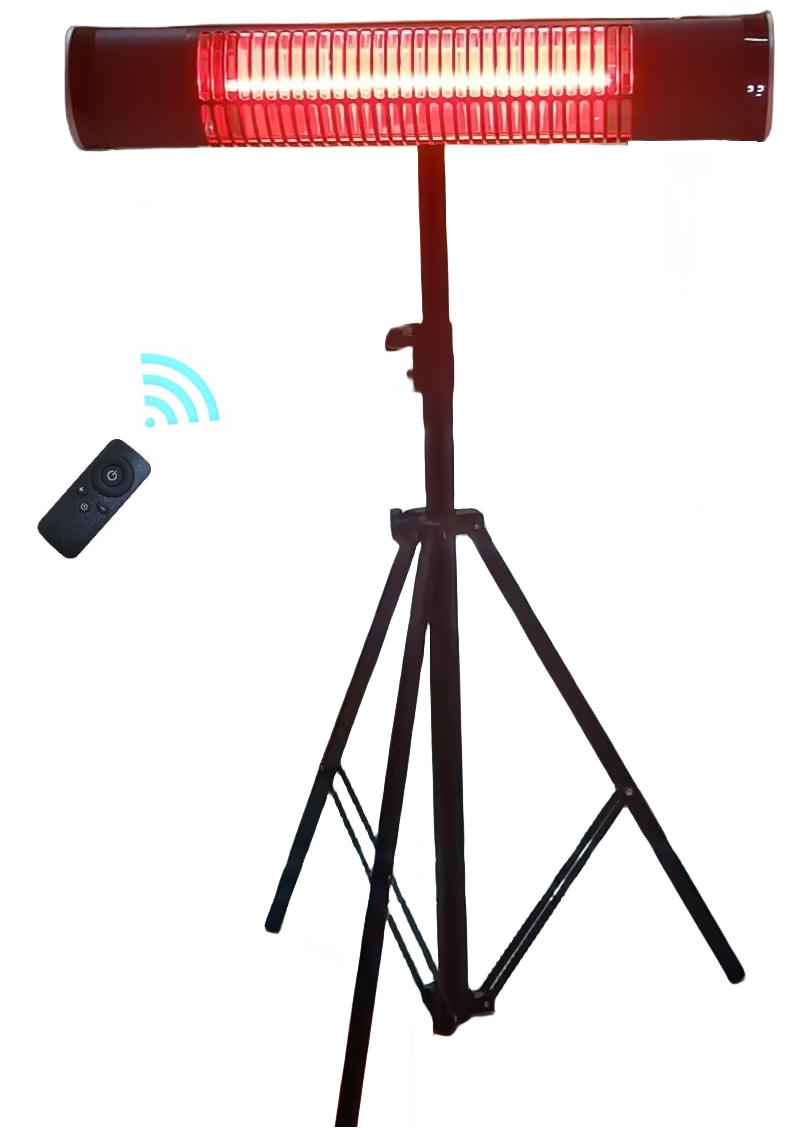
Let’s talk about the reality of caravan life. The power supply isn’t always steady. It can swing from one extreme to another, whether you’re on the grid or running a generator. For a regular infrared heater, that’s a death sentence. The heating element just can’t handle it and burns out way too fast. So, when we designed our electric caravan infrared heater, our main goal was simple: make it survive those voltage swings without losing power or falling apart.
The Smart Fix: A Built-in Safety Net
Here’s the thing—our heater has a brain. We built a compensation circuit that sits right between the power source and the heating element. It’s constantly watching the voltage and adjusting the current on the fly. If the voltage dips, the system pushes more current to keep the heat exactly where you need it. If the voltage spikes, it pulls back to protect the element from a sudden shock. The result? The element’s temperature stays rock solid, which is exactly what prevents it from failing early. What you feel is simple: steady heat, no matter how rough the power supply gets. And no more of that on-off cycling that kills ordinary heaters.
Built to Last in a Moving Home
This isn’t a delicate piece of equipment. We paired that smart circuit with a rugged infrared emitter that’s made for tough environments. The quartz envelope handles rapid temperature changes way better than regular glass. Inside, the filament is built to stay stable, even when the electrical load keeps changing. On the wiring side, we use connectors that stay secure, even when the van is bouncing down the road. Loose connections can cause flickering and arcing, and we just weren’t okay with that. It’s a straightforward install—just make sure you wire it up according to the terminal layout so that compensation circuit does its job properly.
What This Means for You on the Road
In a caravan, space is precious, and reliability is everything. Our heater throws out localized heat almost instantly, with almost no warm-up time. That voltage compensation kicks in to protect the system during generator startup surges and those annoying shore-power brownouts. Now, there is one small trade-off. The compensation circuit does take up a bit more space, and it needs a dedicated neutral path. So just plan for that in your wiring. Get it set up right once, and you’ll have a heater that just keeps performing, even when the power supply is taking a beating.