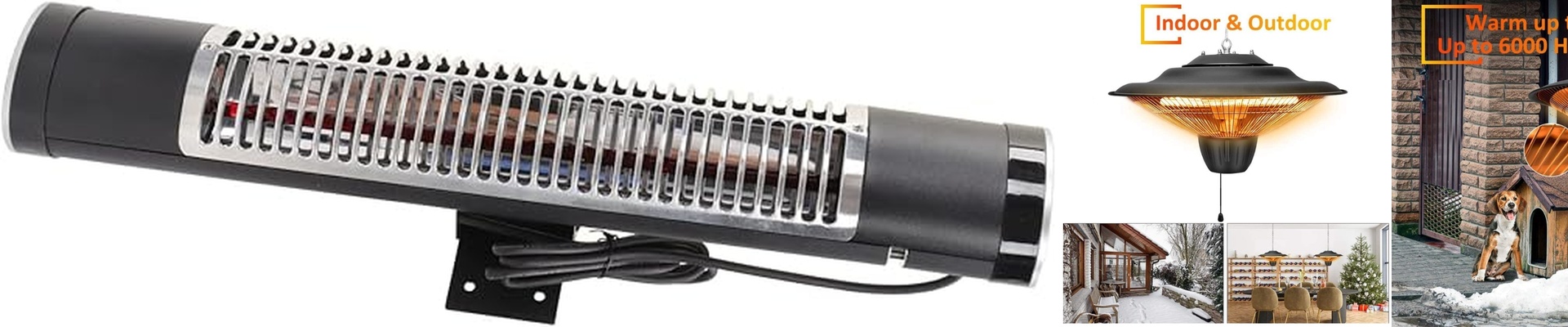
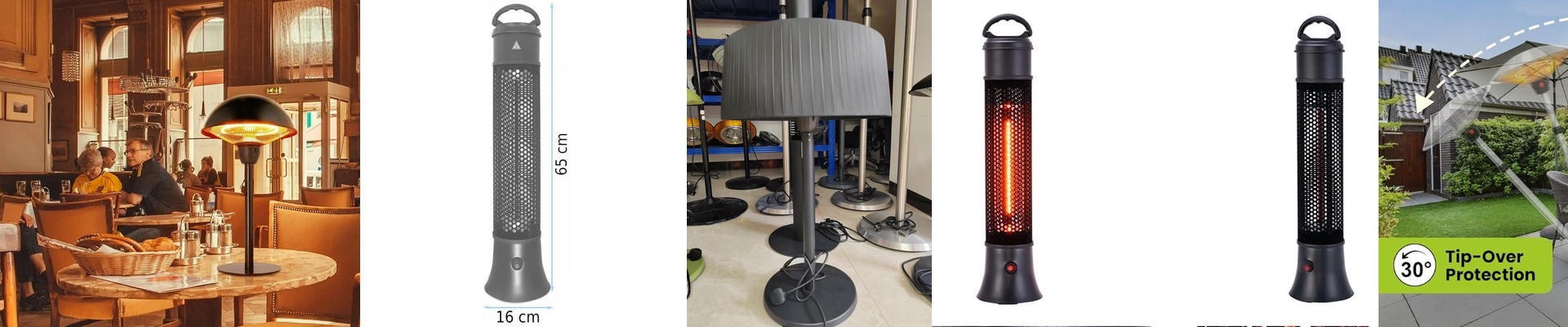
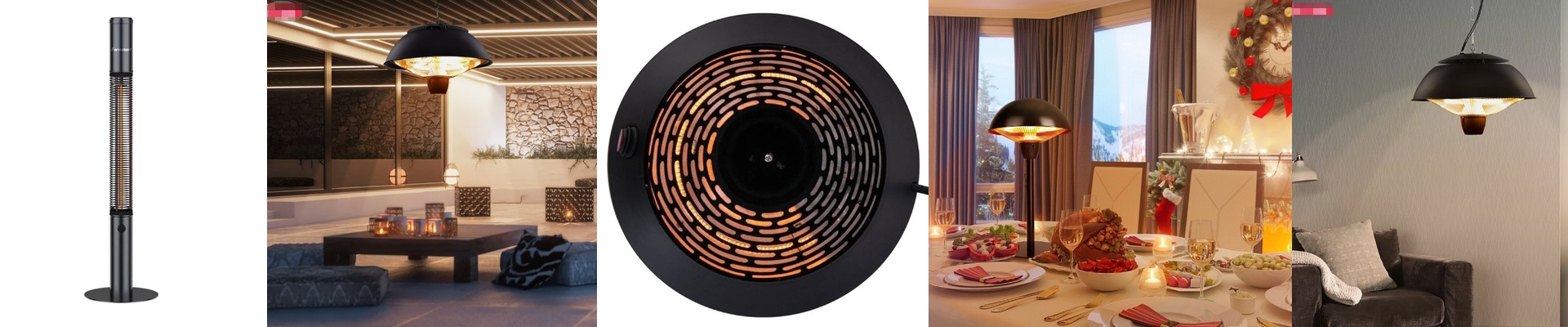
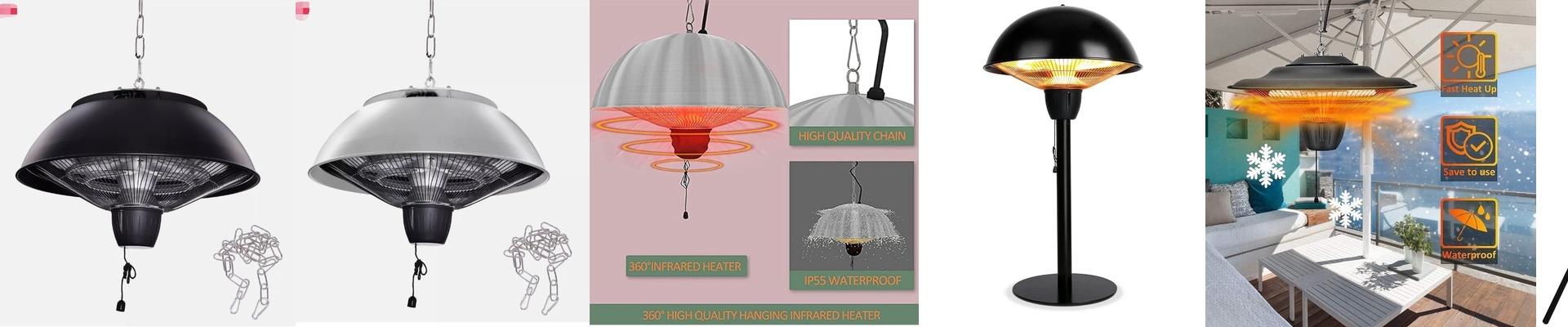
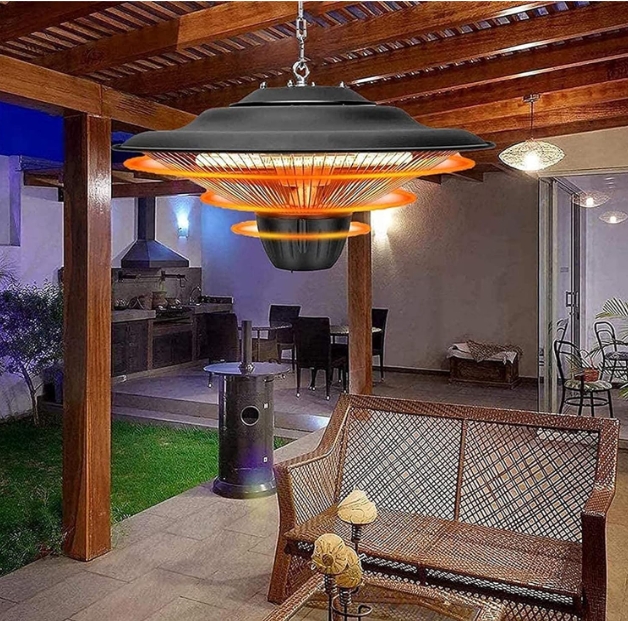
Step outside on a crisp evening and the air bites. Flip on a 3D flame electric heater, and the wait for warmth is gone. You feel that enveloping heat almost instantly—like standing in a spring breeze—because infrared warmth travels at the speed of light, not the speed of air.
What matters under the hood
A 3D flame electric heater is all about infrared radiant heat, usually delivered by a high-efficiency quartz tube or a carbon fiber element. These emit short- to medium-wave infrared that shoots outward and warms people and objects directly, not the air around them. In practice, you get fast, directional warmth that feels natural. Most models run on 120V or 240V, with outputs from 1,500W to 5,200W, and they’re built for outdoor use with IP ratings for water and dust resistance. Built-in thermostats help fine-tune comfort, while tip-over protection and protective grilles keep operation sensible. The “3D flame” effect typically comes from multiple reflectors and element geometry that spread the radiant pattern, giving you a broader comfort zone.
Why this approach works outside
Patios and covered decks take a beating from wind and open air. Forced-air heaters can feel noisy and drafty, but radiant infrared heaters put the heat where it counts—on you. You feel it within seconds, so there are fewer shivers, more relaxed muscles, and longer evenings outside. Because the heat is directional and instant, you don’t waste energy warming empty air, and you get consistent comfort without waiting for the whole space to “catch up.”
The practical details
For the best results, position the heater about 6–8 feet from seating and aim the beam at people, not straight up. It performs best in covered or partially sheltered areas; heavy rain or direct water exposure can affect performance, even with an IP rating. Clearances matter. Keep combustibles away and follow the manual for safe distances. Most units plug into a standard outlet, but higher-wattage models may need a dedicated circuit. Expect the radiant glow to add atmosphere, and use a dimmer switch or thermostat when you want precise control.