
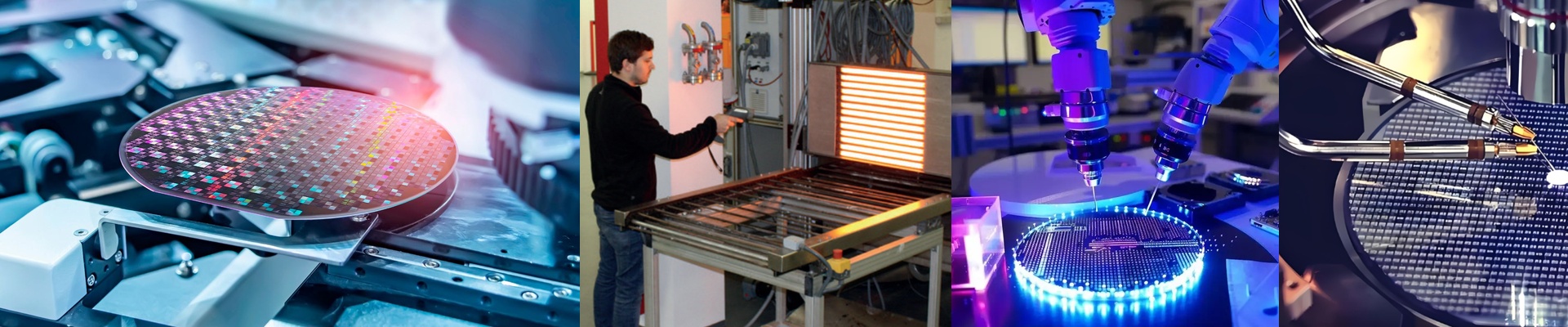

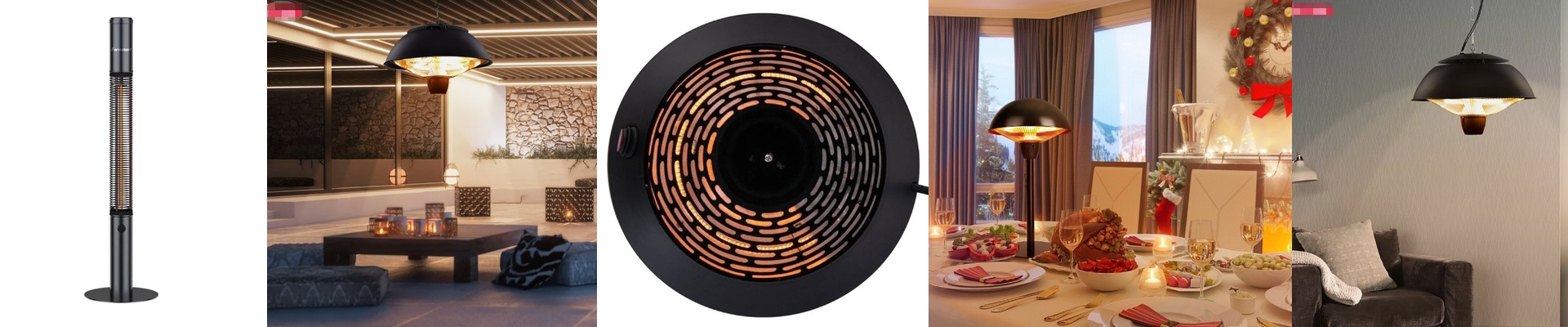
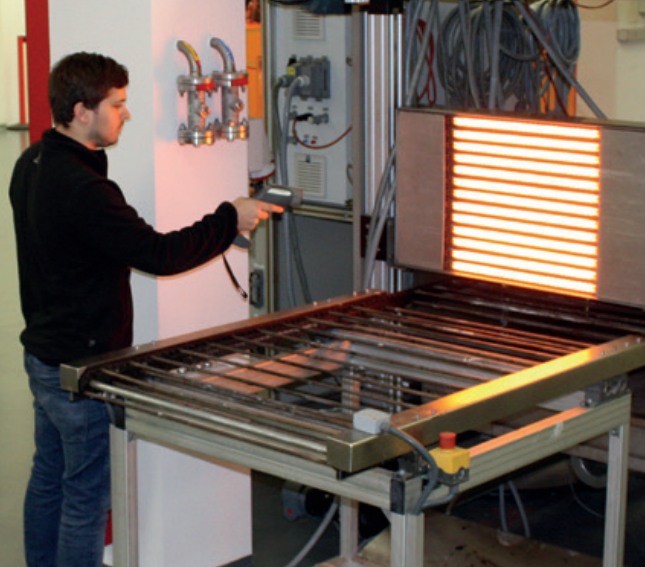
On the fab floor, one water mark after CMP can kill a die that made it through polishing. Post-CMP wafer drying isn’t a nice-to-have. It’s a gate. Let the heater drift and uniformity goes sideways. Surface tension drags streaks across the surface, and those defects carry right into lithography. We built our post-CMP drying heaters around that reality: zero particle generation, thermal uniformity of ±0.1°C across the wafer, and repeatability that holds up shift to shift. Specs are only useful if they match what the wafer actually experiences. The heater stacks short-wave infrared elements in a quartz assembly—low thermal mass, fast response. When the door opens and closes, the temperature loop settles quickly. Control is closed-loop, with calibrated sensors mapped to the pocket. That keeps photoresist bake temperature accuracy intact during any soft bake or hard bake that follows. Cleanroom Class 1–100 is enforced the way it has to be: no outgassing adhesives, sealed joints, and a surface finish that won’t trap flakes. The payoff is straightforward: stable drying that keeps particle counts down and line yields up. Here’s the point—this setup removes the variability you can’t afford. You get consistent Marangoni drying, predictable dry-front progression, and fewer reworks. Energy use drops because the thermal mass is low and the duty cycle stays tight, yet uptime stays high. Our field data shows units running 24/7 with zero unplanned downtime. Process windows open up when the thermal budget is controlled, and photoresist profiles stay within spec across lots. Installation is simple, but alignment is mandatory. The heater has to sit co-planar with the chuck and match the gas curtain. If it doesn’t, even perfect temperature control will drift right at the wafer edge. Expect a short commissioning run to map the profile and lock the PID constants to your chamber. After that, it’s the same discipline we’ve always lived by: measure, control, document.