


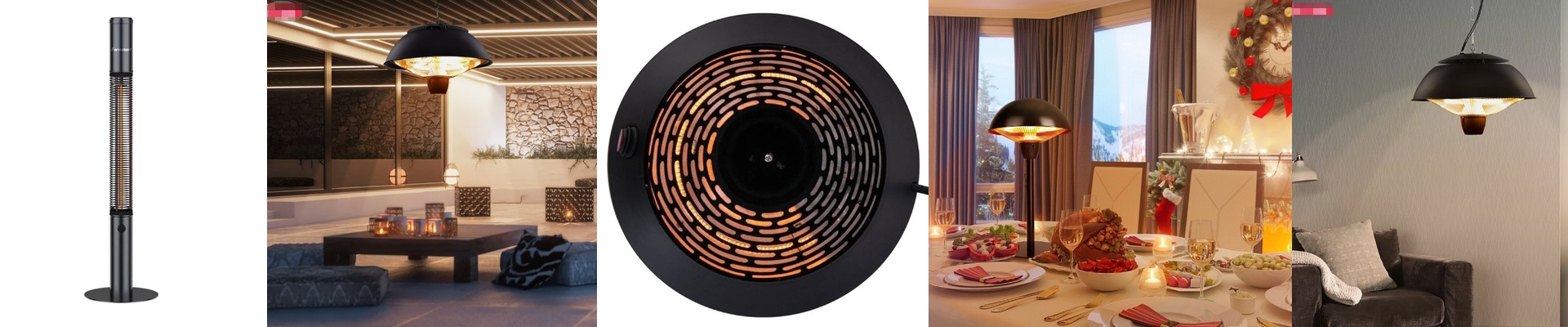
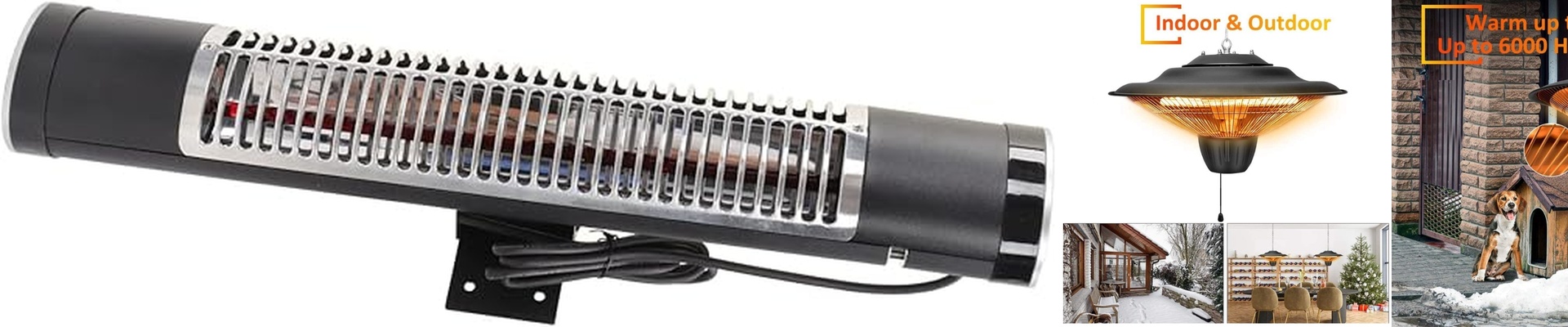
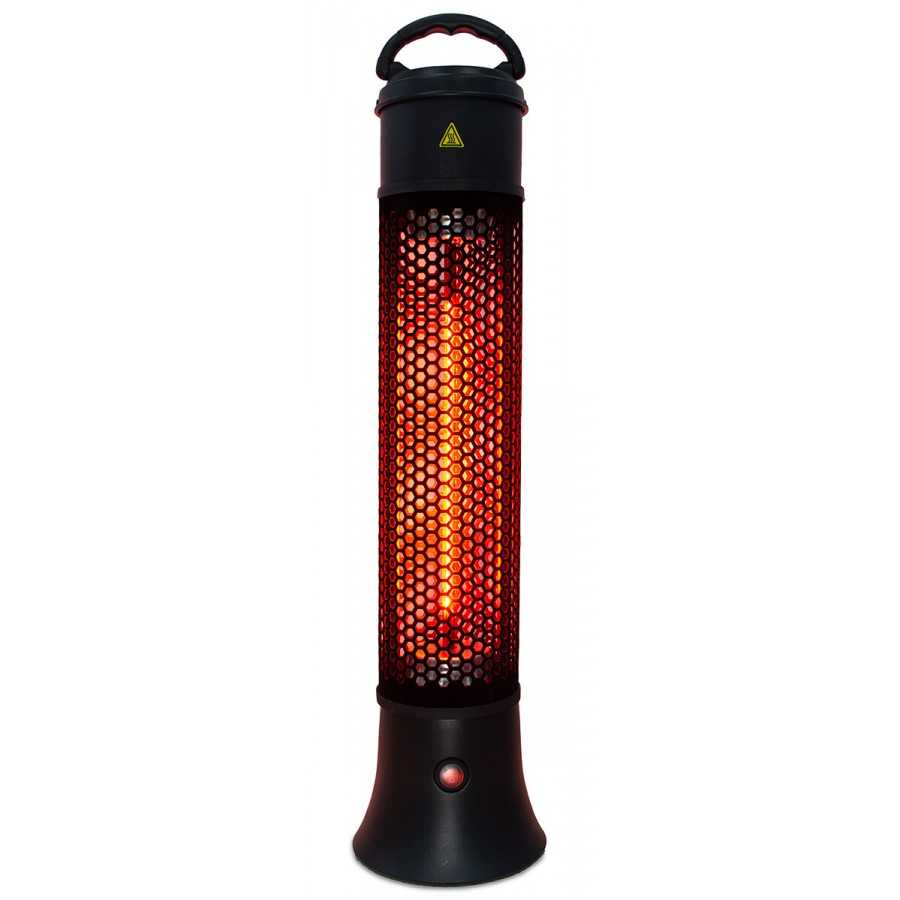
Basement air has a way of sinking in—cool, heavy, and it just hangs on. Forced-air systems can feel like they’re spinning their wheels, pushing out warmth that cools fast and leaving walls and floors still clammy. You don’t just need heat. You need something that tackles the damp while actually making the space feel comfortable. What matters, technically Our low-wattage wall-mounted infrared heater runs on a carbon fiber element, putting out radiant warmth that travels in straight lines. It heats people and objects directly—not the air. So you feel it almost immediately, without waiting around for the room to “warm up.” Power draw sits between 400W and 800W, which is a lot lighter on the circuit than a standard electric heater. That keeps it happy on a standard 120V outlet and keeps overall energy use down. The upshot is a steady, even warmth that doesn’t hammer on and off, which helps keep relative humidity more stable. Why this works in a basement In a basement, you get a two-part win. Radiant heat keeps surfaces warmer than the surrounding air, so condensation on walls and floors drops off naturally. Less musty smell, and fewer conditions that invite mold. At the same time, you feel warmth right away—no drafts, no lag. That turns the space into something you actually want to use, whether it’s a workshop, a family room, or just a quiet spot to read. What you need to know Infrared warms what it can “see,” so coverage is best within line-of-sight of the unit. Mount it around 6–7 feet high and angle it toward the main seating or work area. It needs a dedicated outlet on a grounded circuit. If your basement wiring is older, have a licensed electrician check compatibility. And a heads-up: this heater helps manage dampness, but it’s not a replacement for a dehumidifier in a very wet space. Paired with proper ventilation, though, it makes the area feel dry, warm, and comfortable.