
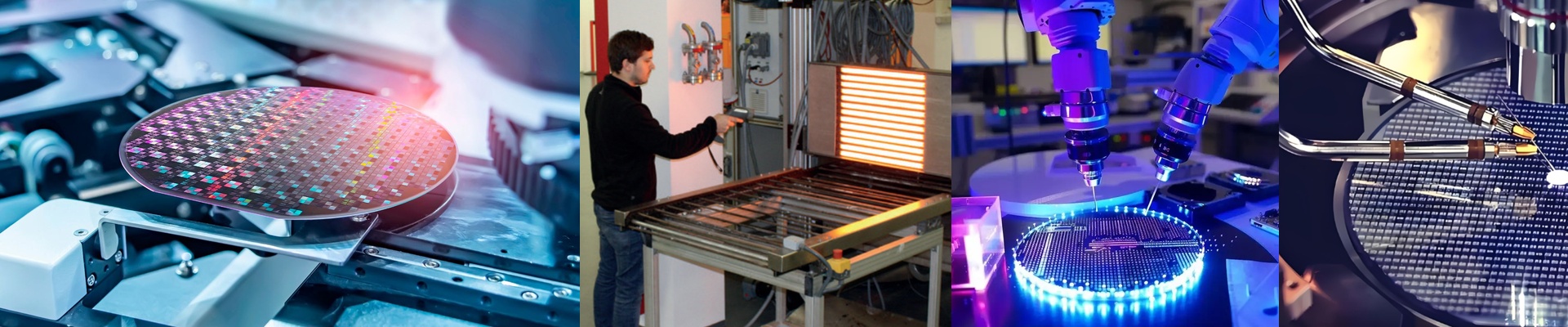

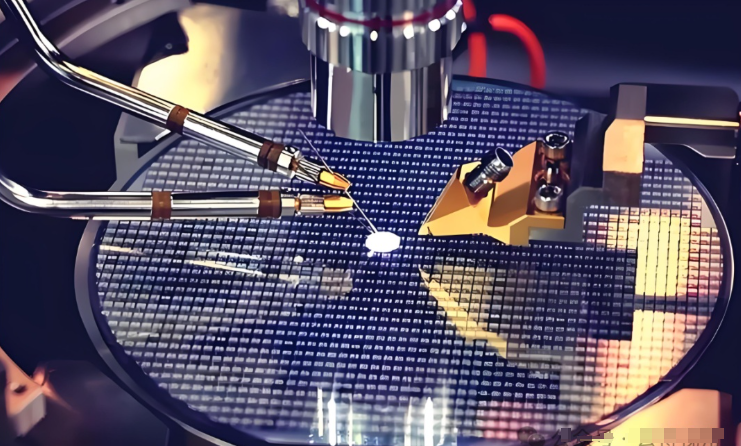
On the lithography floor, a 0.5°C drift in bake temperature is enough to scrap a full lot. The photoresist on those wafers has a tight thermal budget, and if you miss it, linewidth control falls apart. We built the precision temperature photoresist heater to keep that budget locked down—shift after shift, cycle after cycle. What matters under the hood It uses short-wave infrared with direct-coupled heating, so thermal lag stays low. Uniformity across the wafer holds at ±0.1°C, and repeatability sits within ±0.05°C from run to run. Temperature ramps are controlled to 2°C/s with overshoot under 0.2°C, which keeps soft bake and hard bake profiles true to the recipe. Cleanroom Class 1–100 compatibility is supported by low-outgassing materials and a design that keeps particles down, so the bake step doesn’t add defects. The heater runs 24/7, and life data shows 5,000+ hours at stable output with less than 5% intensity drift. Here’s the reality: in photoresist processing, temperature directly drives critical dimensions and adhesion. When the bake profile is locked, CD budgets stay in spec and resist profiles stay repeatable. That means fewer reworks, stable yields, and a schedule you can actually trust. Fast settling and tight control cut energy use, and the low particle signature helps keep cleanroom counts where they need to be. You end up with process discipline you can measure—consistent line widths, fewer defect excursions, and uptime you can plan around. A couple of practical notes. Installation needs solid thermal coupling and a clean interface; if fixtures don’t match or contact is poor, uniformity suffers. The heater fits standard chuck interfaces, but you still have to validate integration against your chamber geometry and airflow. Plan a short commissioning run to map the profile and lock in the setpoints. Once it’s set up right, the unit delivers the precision the fab demands—plain and simple.