Lam Research Heater Replacement: Getting Spectral Purity Right with Infrared Heat
We built this infrared heating lamp to be a direct, performance-matched alternative to the Lam Research original. The idea is straightforward: give you the same spectral output and thermal response, without the OEM price tag. If you’re paying a premium for a specific heat profile, this unit hits that same operational standard.
Power, Voltage, and Dimensions—Built for Precision
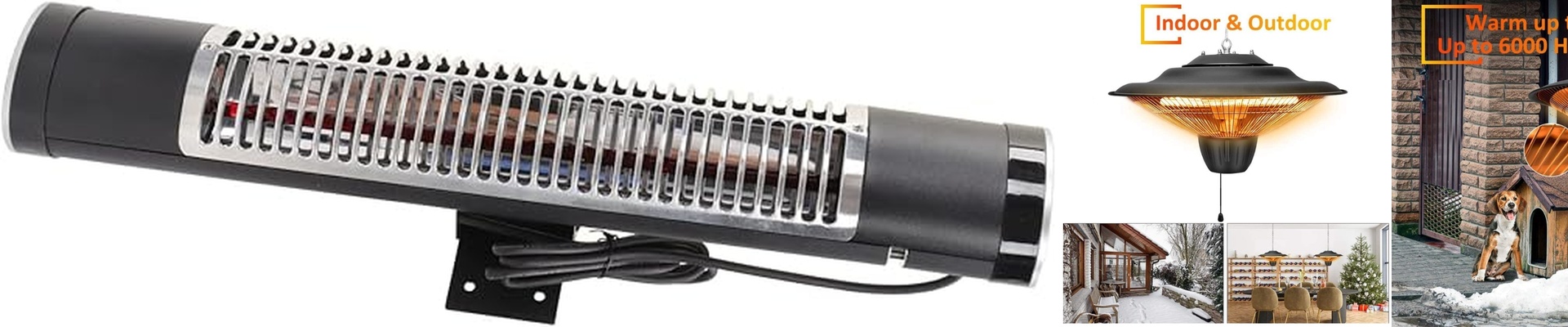
This is a high-density heating element, engineered for one thing: precision. It runs at 400V, pushing the filament to generate intense heat in a compact footprint. The 300mm tube length and 2500W power rating are matched to the chamber geometry. That means the heat zone covers the wafer or substrate evenly—no hot spots, no cold spots. That power density is what makes rapid thermal ramp rates possible. But it does put load on the system. Here’s the trade-off: your machine’s cooling setup needs to handle the ambient heat from a 2500W load.
Materials and Design: Halogen, Quartz, and a Clean Fit
At the heart is a shortwave infrared halogen element, tucked inside a quartz tube. Halogen chemistry keeps the filament stable, preventing blackening and keeping the spectral output consistent over the lamp’s life. The quartz envelope is chosen for serious thermal shock resistance, so it can handle rapid on/off cycling without cracking. And the R7s connector? It’s a direct-fit interface. It handles the current draw and locks the lamp in place, making this a true drop-in replacement. No rewiring. No re-engineering.
Why It Matters: Precision, Efficiency, and a Painless Install
In semiconductor work, the heater has to deliver repeatable spectral purity. Our lamp matches the original’s spectral characteristics, so your process parameters stay exactly where you need them. And it’s built for the beating of a 24/7 production floor. Installation is simple: unclip the old unit, slide in the new one, and wire it up. Downtime drops to minutes instead of hours. You get OEM-grade thermal performance, with a cost that actually makes sense for your maintenance budget.