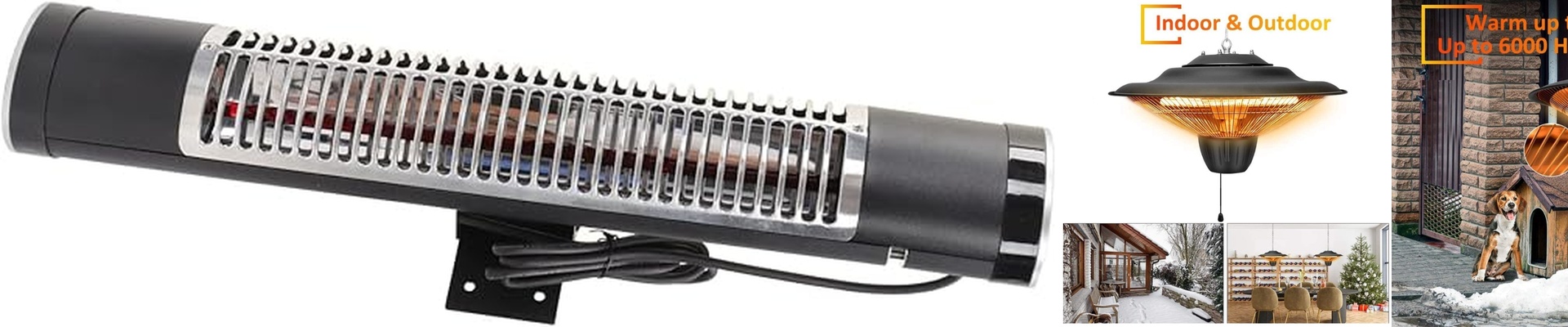
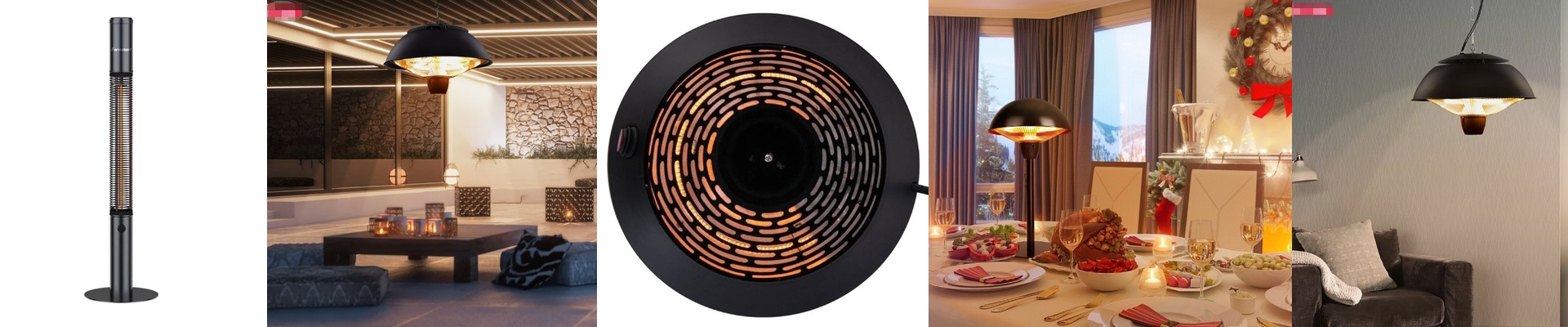
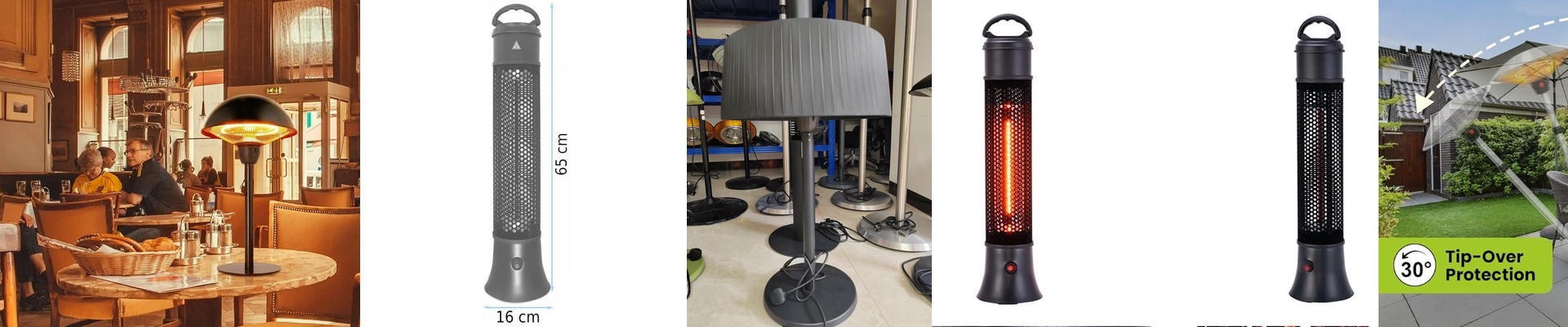
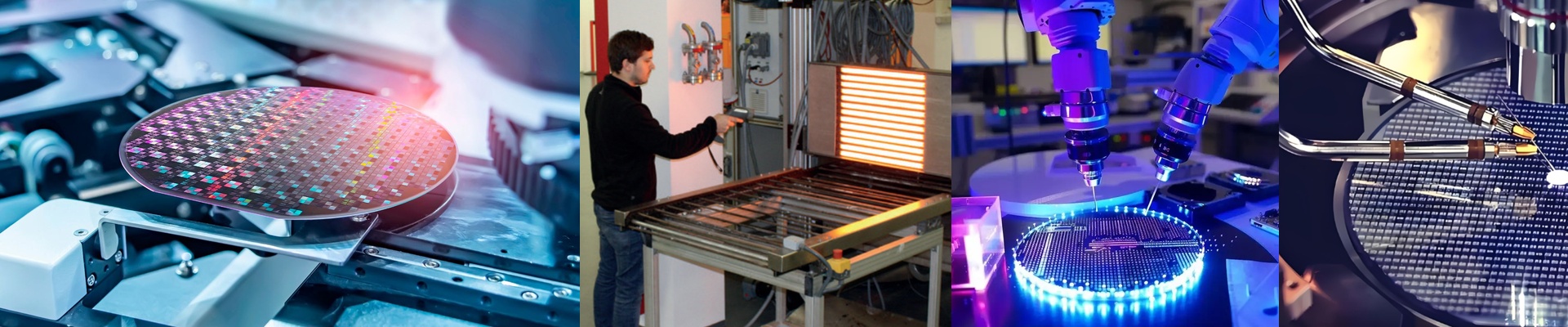
Back on the floor, we live and die by a number you can’t see: 0.1mm. That’s the tolerance band on the gold coating of the quartz tube in our freestanding fireplace heater, and it matters because infrared warmth is only as steady as the element that makes it. If the coating thickness drifts, the output drifts. You feel that as uneven heat, wasted energy, and a lifespan that gets cut short. So we held the line—measurement after measurement—until the coating stayed inside that tight window.
What’s actually important, technically
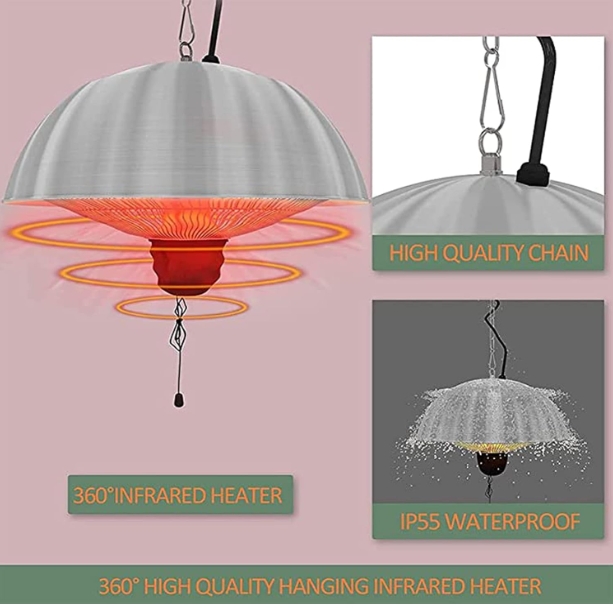
This freestanding infrared heater runs on a quartz-tube element with gold coating controlled to a specific spec, giving you consistent radiant heat. You get warmth where you need it, right away, without trying to heat the air. A built-in thermostat keeps comfort steady, and tip-over protection shuts the unit off if it gets knocked over. The stand is weighted to stay planted, and the whole heater runs quietly—so you can talk without shouting over it.
Why it holds up in real outdoor use
Evenings drop fast outside, and comfort comes down to speed and repeatability. With the gold coating held within 0.1mm, the infrared output stays even across the tube, so the heat profile stays predictable from the first minute to the last. That means fewer hot/cold swings, less second-guessing, and fewer interruptions when you’re settling in for dinner, conversation, or a quiet read. In practice, the patio or deck starts working the way it should—without drama.
The practical details that matter
It’s electric and plugs into a standard outlet, but it performs best on a dedicated circuit to keep breakers from tripping during peak draw. Keep the unit on a firm, level surface, and leave clearance from furniture, curtains, and overhead structures for airflow and safety. The quartz tube is tough for routine use, but it still needs protection from impacts and harsh cleaning chemicals to keep the coating intact over time.