How to pick the right infrared heater for your bathroom without overdoing it
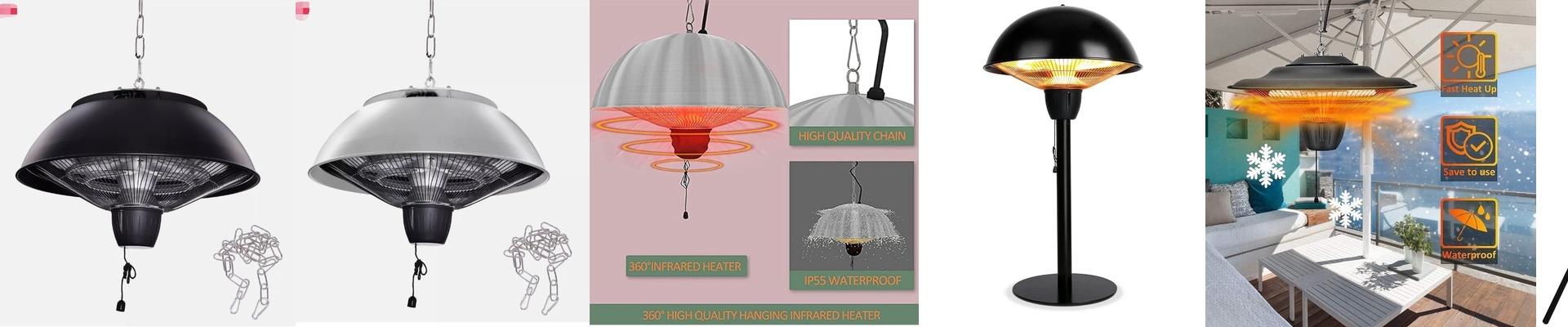
If you’re putting infrared heat in a bathroom, you’ve probably seen the term “IP55” everywhere. Don’t let the technical jargon throw you. All it really means is that the unit is sealed up tight enough to handle dust and those accidental splashes of water that happen in a humid room. It’s the bare minimum you want for safety. But the real trick is getting the wattage right.
Don’t overbuy your power
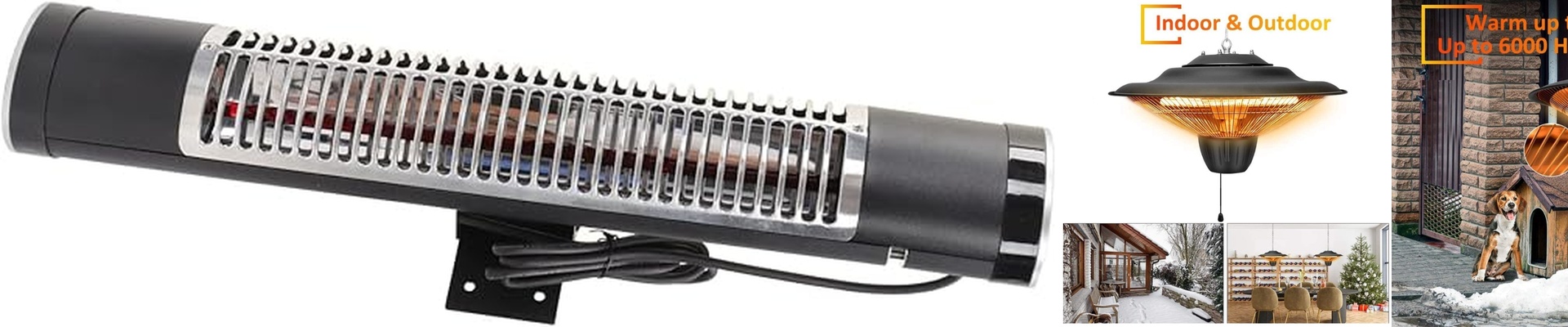
It’s tempting to think “more power equals more comfort,” but that’s not how this works. If you cram a 1200W lamp into a tiny powder room, you’re going to have a problem. It’ll get hot way too fast, and your thermostat will spend the whole time clicking on and off. That’s a great way to kill your relays and watch your electric bill climb for no reason. For those small bathrooms (under 4m²), a 400W to 600W lamp is usually plenty. If you’ve got a bigger primary bath—something in the 8m² to 12m² range—then you can step up to 800W or 1200W.
Why infrared actually works here
Here is the cool part: infrared doesn’t bother trying to heat the air. It warms you and the surfaces around you directly. That’s why it feels so much better in a damp bathroom where traditional heaters just seem to struggle. We use quartz glass and special coatings so that even when the room is steaming up after a shower, the heat stays consistent. One quick tip: the IP55 housing is great for protecting the wires, but it can trap some heat around the socket. Give the fixture some breathing room. Don’t box it in.
Avoiding the “hot spot”
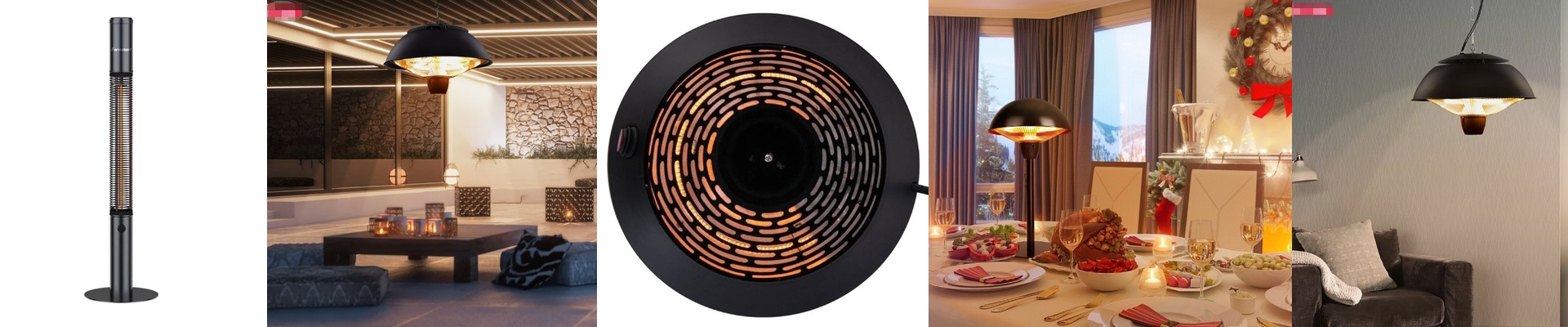
High wattage gets you warm faster, sure. But if you have one massive heat source in a small space, you end up with a “hot spot.” You know the feeling—where your shoulders are roasting but your feet are still freezing. Instead of one giant lamp, try spreading a few lower-wattage lamps across the ceiling. It creates more of a warm blanket effect. It’s much more relaxing and keeps you from feeling like you’re standing under a heat lamp at a buffet.