
Why we put our bathroom heaters through the “torture chamber”
Let’s be honest: bathrooms are a nightmare for electronics. One minute it’s freezing cold, and the next, you’ve got a blast of searing heat and a room full of thick, heavy steam. It’s a brutal cycle. If you’re building a heater, you can’t just hope for the best. You have to assume the environment is trying to kill your product. That’s why we obsess over the IPX5 waterproof rating. But here is the catch: a seal that works the day it leaves the factory might not work six months later.
The sneakiness of steam
Water doesn’t always just “leak” in. Sometimes it creeps. Humidity finds tiny gaps through something called capillary action. It’s slow, but it’s relentless. Once that moisture hits the internal wiring or the lamp terminals, things get ugly. You get oxidation. That creates resistance, which leads to overheating, and eventually… pop. Your heater is dead.
How we actually test this
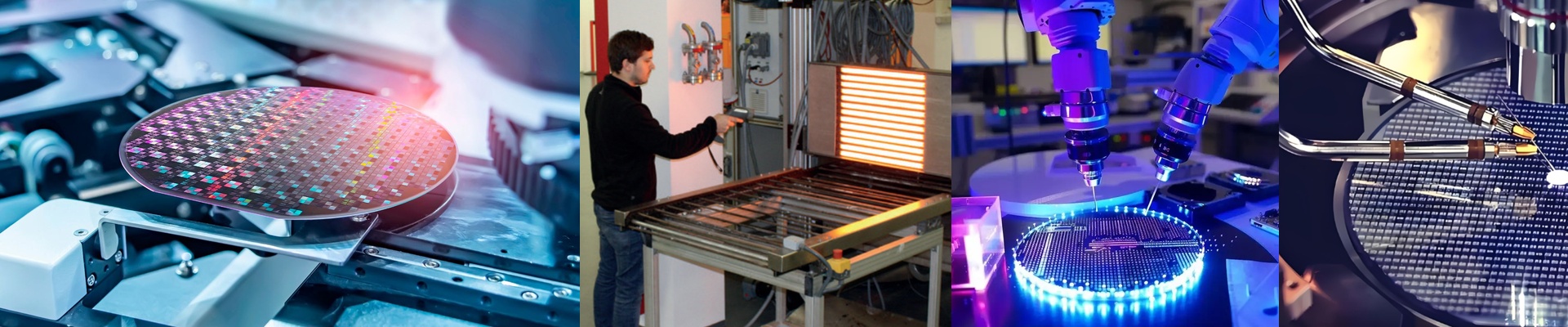
We don’t just spray a unit with a hose once and call it a day. That’s too easy. Instead, we use “damp-heat aging.” We basically lock the heaters in a high-humidity sauna for days on end. We’re looking for the exact moment a seal shrinks or the insulation starts to give way because of the constant expanding and contracting from the heat. If it fails our spec in the chamber, it doesn’t make it into your home. Period.
The balancing act
Now, you might think, “Just seal it airtight then!” I wish it were that simple. But there’s a trade-off. If we make the housing too airtight with a million gaskets, the internal transformer can’t breathe. It traps the heat inside, and the lamp burns out way faster. It’s a constant tug-of-war between keeping the steam out and letting the heat escape. We do all this—the aging tests, the failures, the redesigns—so you don’t have to worry about your heater shorting out while you’re stepping out of the shower. We’d rather find the breaking point in our lab than have you find it in your bathroom.