The Five-Year Itch: Why Most Waterproof Heating Tables Are a Nightmare to Fix
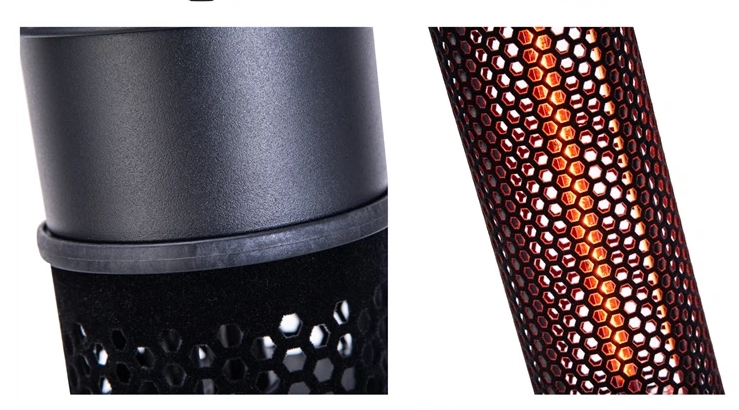
When most people pick out a waterproof heating table with an IP44 rating, they only care about the seal. They want to make sure nothing leaks. But if you’ve actually spent time on a factory floor, you know the real headache isn’t the water. It’s what happens five years from now when a heating element finally gives up the ghost. Here’s the problem: most “waterproof” units are sealed so tight that if one single tube burns out, you basically have to rip the entire chassis apart to get to it. It’s a mess. So, we decided to stop doing that and moved to a modular infrared design instead. Making it modular We stopped welding the heating elements directly into the frame. Instead, we use these independent infrared modules. Think of each one as its own little IP44-rated box. If a lamp fails, you don’t have to spend your afternoon rewiring the whole table. You just pull out the dead module, slide in a fresh one, and lock it down. It turns a four-hour teardown into a ten-minute swap. It’s a huge relief for whoever has to actually do the work. The IP44 struggle Now, keeping that IP44 rating—meaning it can handle splashes and keep out bits of debris—while making it easy to swap parts is a bit of a balancing act. We handled this by using gasketed interface plates and quick-connect terminals. You don’t have to fight with permanent silicone or those annoying potting compounds that you usually have to carve out with a knife during maintenance. It just clicks into place. The honest trade-off Look, nothing is perfect. Going modular does make the machine’s footprint a little bit bigger. You’re trading a few centimeters of floor space for the ability to fix your gear without shutting down your entire production line. And if you’re running these in a really humid spot, those modular seals will eventually wear down. That’s just physics. We suggest checking the gasket compression every couple of years just to make sure the seal is still tight. At the end of the day, we treat the heating element as a consumable part. It’s something that will wear out, so we made it easy to replace.