
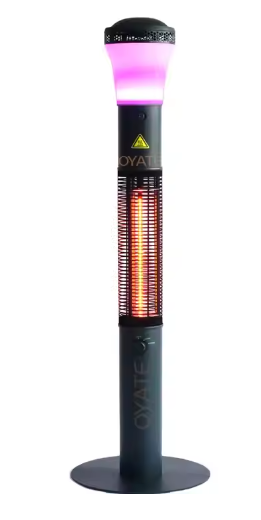
Stop Tearing Down Your Heaters Every Time a Tube Goes
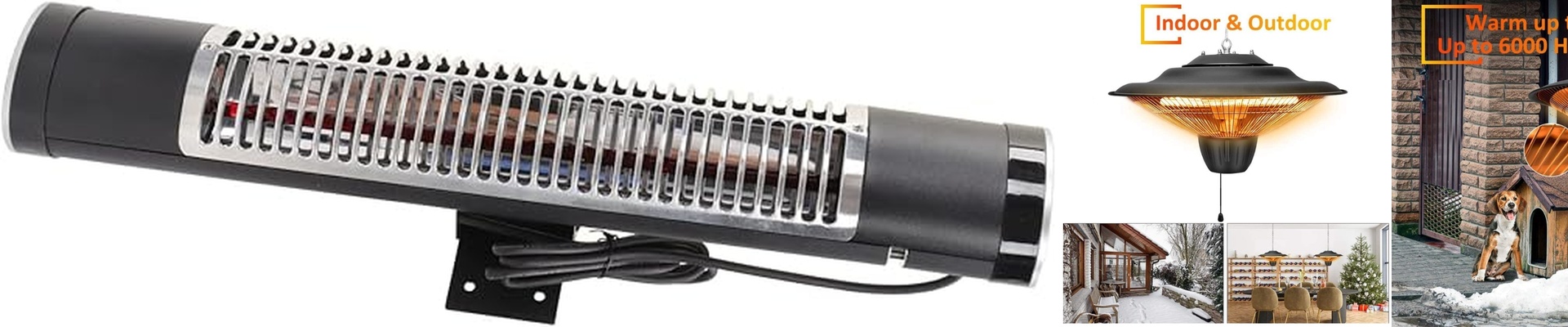
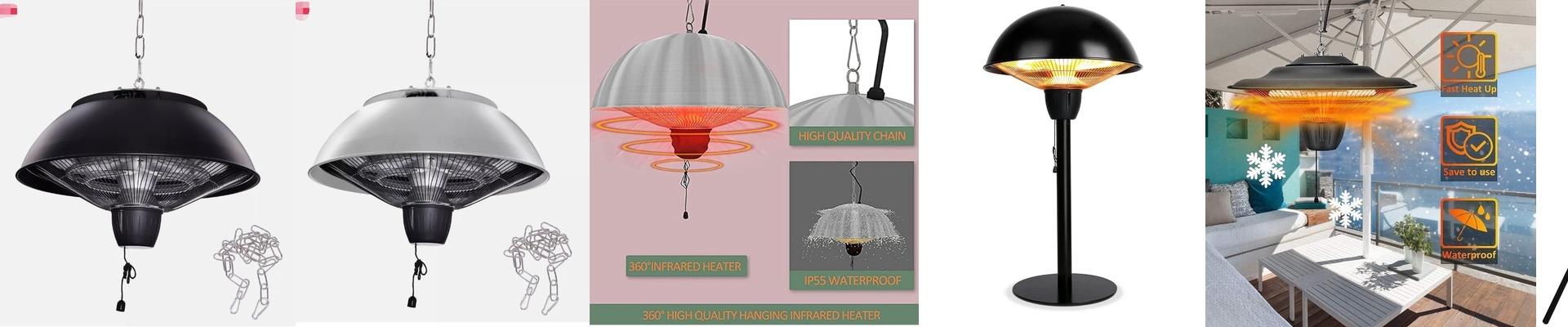
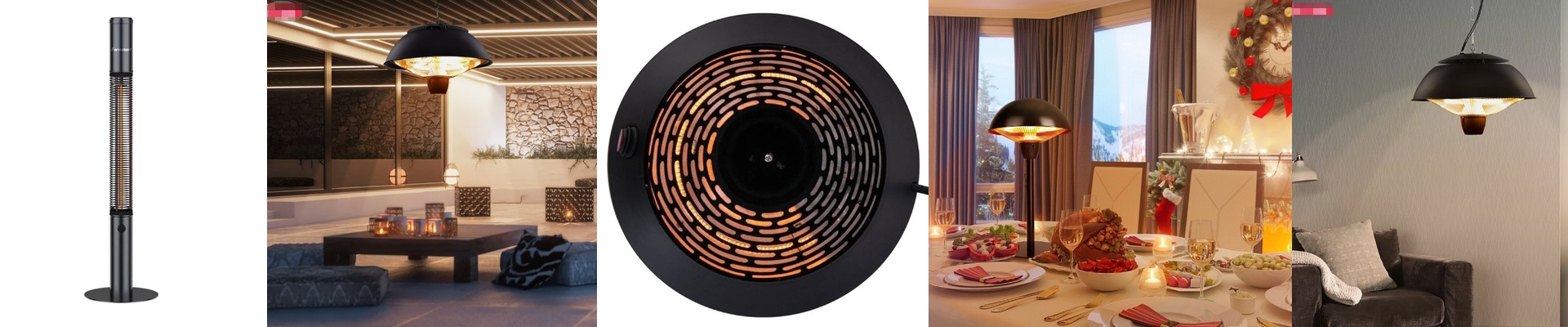
Let’s be honest: outdoor heaters live a brutal life. They get blasted by rain, soaked in humidity, and stressed by constant heating and cooling. Eventually, things break. It’s just physics. The problem is that most IP66 heaters are built like vaults. They seal the heating elements so tightly that if one single tube burns out, you have to practically dismantle the entire chassis just to get to it. It’s a nightmare. So, we decided to do things differently.
The “Swap and Go” Logic
We stopped thinking of the heating element as a permanent part of the machine and started treating it like a consumable—kind of like a lightbulb. Instead of soldering tubes directly into the housing, we built a modular, plug-and-play system. If a tube dies five years from now, you don’t have to worry about ruining the weather-seal or rebuilding the whole unit. You just open a service panel, unplug the dead module, and slide in a fresh one. It turns a grueling afternoon of maintenance into a five-minute job. No fighting with gaskets. No stressing over whether you sealed the enclosure perfectly. Just click, slide, and you’re done.
The Honest Trade-off
Now, keeping something waterproof while making it easy to open is a bit of a balancing act. To keep that IP66 rating, we had to use some heavy-duty compression seals around the module interface. Because of that, the heater is a little bit bulkier than a sealed unit. You lose a few centimeters of space. But here’s the thing: that extra bit of size is a tiny price to pay for not having to replace your entire heating system in the middle of January because one part gave up.
Real-World Maintenance
If you’ve ever spent time doing field service, you know the drill. The last thing you want is to be on a ladder in the rain, trying to solder wires with shaking hands. Our setup uses standard connectors. You can keep a few replacements on the shelf, swap them out yourself, and get the heat back on without needing to call in a full electrical team. It just makes sense. Why trash a perfectly good heater assembly when only one element reached its end-of-life?