Stop Wasting Heat: A Better Way to Warm Your Wafers
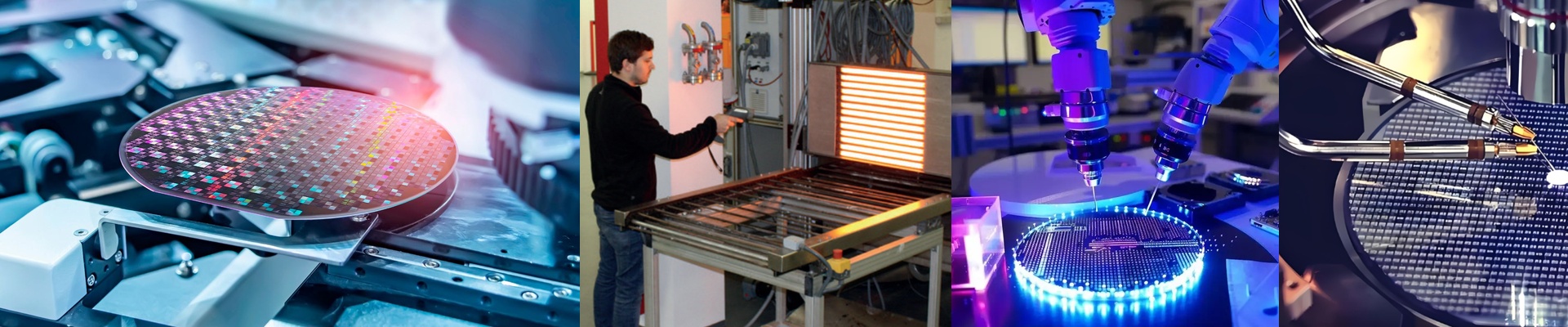
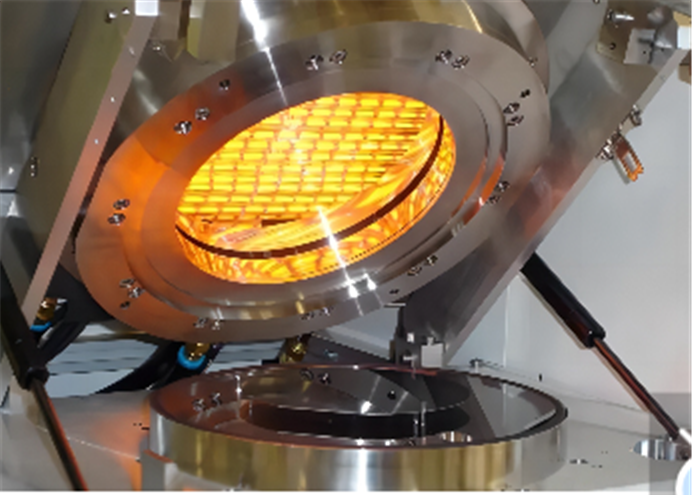
Here’s the problem with heating silicon wafers: you need a ton of energy, but most of it ends up going everywhere except where it belongs. Standard IR lamps blast heat in every direction. It’s a 360-degree spray. The result? You’re basically cooking the inside of your process chamber. Not only is that a waste of power, but it turns your equipment chassis into a giant radiator. It’s a safety nightmare for anyone working nearby. The fix is simple: Directional IR. Instead of using a basic quartz tube that leaks heat, we use lamps with specialized reflectors and internal coatings. Think of it like putting a nozzle on a hose. We push the infrared spectrum straight toward the wafer, narrowing the beam so the energy actually hits the target. The vacuum chamber walls stop acting like sponges for waste heat. This makes life a lot easier for your cooling systems. When the walls stay cool, you don’t have to worry about thermal expansion messing up your mechanical tolerances. Plus, your operators can actually touch the exterior panels during maintenance without getting burned. And the best part? You get a much tighter thermal profile. You stop seeing those annoying temperature gradients at the edges, which is usually where thin-film deposition goes sideways. Now, a word of caution. This isn’t some magic button. Because you’re concentrating the heat, the flux density on the wafer surface jumps up. If your PID controller isn’t dialed in perfectly, you’re asking for hot spots or—even worse—thermal shock. If you ramp up too fast with a narrow beam, you might just crack the substrate. My advice? Spend some extra time on your first few test runs. Double-check your focal point to make sure the energy is hitting the center of the wafer and not spilling over the sides. Get that balance right, and everything else falls into place.