


Keeping Your Fab Safe When Things Get Volatile
If you’re running a semiconductor fab, you know the drill. Chemical cleaning stages are necessary, but they’re a nightmare when you’re dealing with flammable solvents. Here’s the problem: standard IR lamps are basically a liability in those zones. One tiny spark or a single hairline crack in a quartz tube, and you’ve got a potential explosion on your hands. It’s the kind of risk that keeps plant managers awake at night. That’s why we don’t just throw a lamp in there and hope for the best. We use a specialized hermetic seal to lock everything down.
How the seal actually works
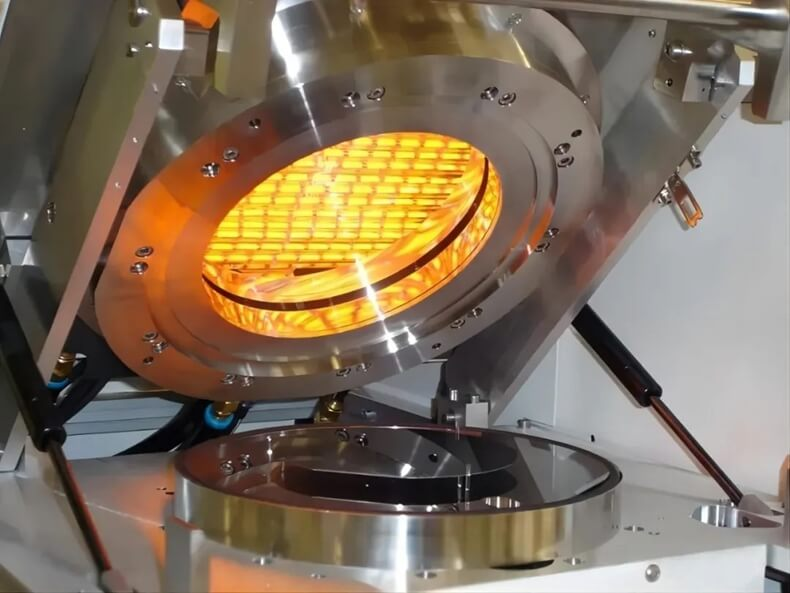
We aren’t just wrapping the lamp in some plastic. It’s more like a protective fortress. First, the heating element sits inside a high-purity quartz envelope. Then, we slide that into a second sleeve—one that’s chemically resistant and lets the heat pass right through. This means those nasty corrosive agents can’t just eat through the seals and ruin your day. We also use heavy-duty gaskets and explosion-proof connectors. No vapor gets in. And if a tube happens to burn out? The encapsulation keeps the halogen gas and filament bits trapped inside, so they don’t react with the fumes in your air.It’s a safety net that actually works.
Dealing with the heat
Now, adding layers usually makes things tricky. When you put a barrier around a lamp, it changes how the heat moves. To fix that, we tweak the wattage and voltage. We make sure that even with the extra protection, your substrate still hits the exact temperature it needs to. But you have to be careful with “heat soak.” Because the seal traps some of that warmth, your wiring and brackets can take a beating. To stop things from melting or frying, we suggest using PTFE-coated wiring and reinforced aluminum heat sinks. It keeps the whole system cool and stable.
Getting it into your line
The best part? These are basically drop-in replacements for your standard IR arrays. As long as your power supply can handle a slightly higher load—which is needed to push the heat through that protective sleeve—you’re good to go. It takes the danger away from the open element. You can run your high-temp cleaning cycles and actually breathe easy, knowing the atmosphere in your fab isn’t waiting for a spark.