Stop Turning Your Tooling Into an Oven
Ever noticed how some semiconductor housings just get… hot? It happens because standard infrared heaters are kind of messy. They throw energy in every direction. In a tight chassis, that heat bounces off the walls and turns the whole machine into one big heat sink. Not only is that a safety nightmare for whoever is standing next to it, but it also messes with the calibration of the sensitive electronics nearby. The fix is actually pretty simple: stop heating the air and start aiming the heat. We do this by switching over to directional carbon fiber infrared lamps.
How it actually works
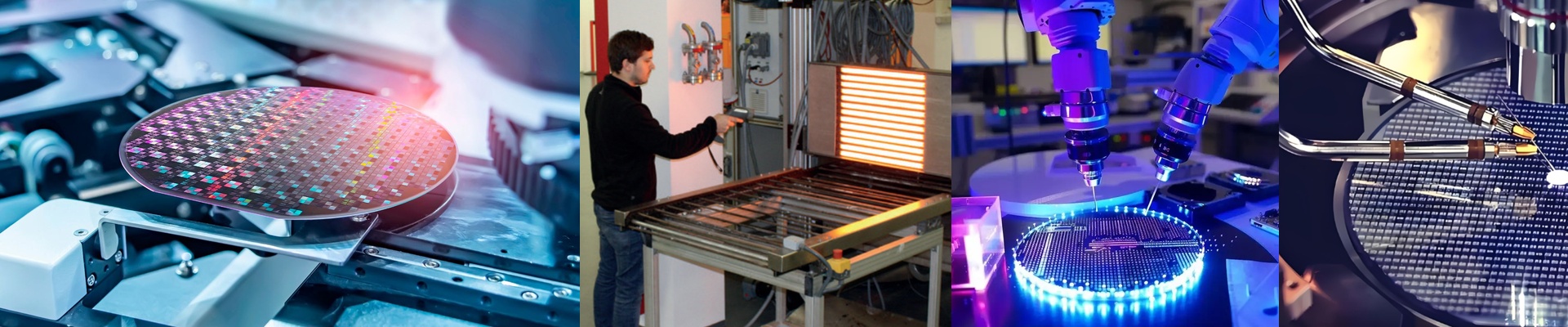
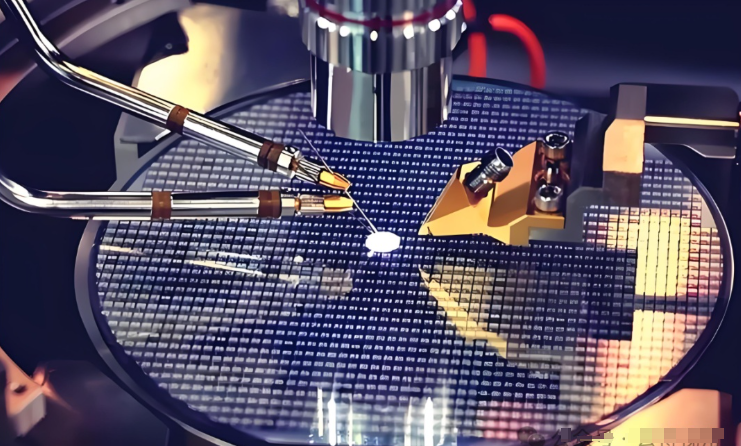
Think of traditional quartz or halogen coils like a lightbulb that fills a room. Carbon fiber is more like a flashlight. By tweaking the filament geometry and using the right reflectors, we can squeeze that IR emission into a tight, focused beam. Instead of warming up the entire chamber, the energy goes exactly where it needs to—right onto the wafer or substrate. The result? Your workpiece gets the heat it needs, but the outer skin of the tool stays cool. No more “burn hazard” warnings or worrying about the chassis melting down.
The catch (and how to handle it)
Now, it’s not all magic. There are a few things you have to get right. Carbon fiber lamps are great—they ramp up fast and the spectral output is a perfect match for semiconductor materials. But they arepicky about alignment. If your mounting brackets shift even a couple of millimeters, you’ll miss your target and end up with cold spots on your wafer. You’ve got to be precise. And then there’s the power. These elements don’t like voltage spikes. If you just plug them in and pray, you’re going to burn out the filaments. We always suggest using a dedicated PID controller to keep things steady during that initial power-on.
Why it makes life easier
When you stop fighting “heat soak,” everything gets simpler. You don’t need those massive, noisy cooling fans or thick layers of internal insulation just to keep the chassis from overheating. It cleans up the whole thermal footprint of the machine. You get high heat density exactly where you want it, and a tool shell that’s actually safe to touch. It’s just a cleaner way to build.