Why We Put Every Single Heater Through the Wringer
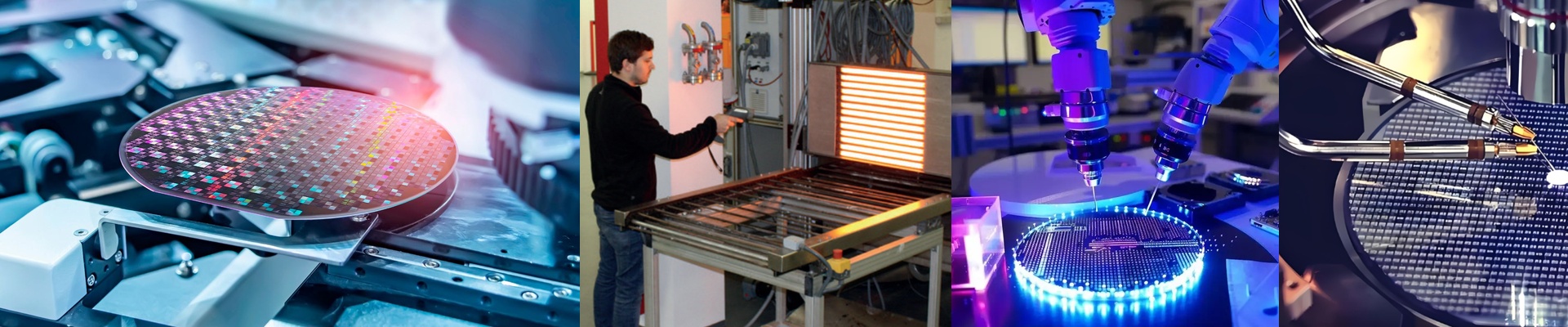
We build under-tile infrared heaters for one simple reason: to give you reliable, instant warmth in tight spaces. And to make sure every unit lives up to that promise, we don’t just give them a quick once-over. We runevery single heaterthrough a full-power aging test before it ever leaves our factory. This isn’t just box-ticking. It’s a serious stress test, the kind that finds the weak links before they can cause trouble for you out in the field. It’s how we keep the failure rate low. If a unit can’t hold its voltage steady or shows shaky resistance, it’s pulled right then and there. The payoff? A heater you can wire up and trust from day one.
The Tech Behind the Heat
Under-tile heaters are all about packing a lot of warmth into a small footprint. We design them to run at full power, so you feel the temperature rise fast, right where you need it. That takes serious voltage stability and connections that can handle the current without getting themselves—or the terminals—too hot. We size the physical length to match common installations, so the heater sits neatly under tiles without leaving gaps or creating hot spots. Every wattage and dimension is chosen to match the thermal load of the space you’re heating.
Built to Last: The Halogen Element and the Connectors
Inside, you’ve got a halogen heating element, sealed inside a quartz envelope built to handle the heat. The halogen chemistry helps keep the output steady over time by fighting filament degradation. The result is a longer, more consistent service life. Then there are the connectors. We stick with standardized ones so you can hook things up quickly and securely. They’re chosen for high-temperature resistance and solid contact, which means less resistance drift and no hot spots at the joints. Even with repeated heating and cooling cycles, the lamp stays stable.
Where These Heaters Shine—and What to Watch For
Under-tile infrared heaters are perfect for spot heating and retrofits where space is tight. They warm the floor and objects directly, so you’re not wasting energy heating the air. But here’s the trade-off: high power density means the surrounding materials need to handle higher temperatures. That’s why spacing, insulation, and ventilation matter. We give you clear installation limits so you can plan the system right and avoid overheating anything.