
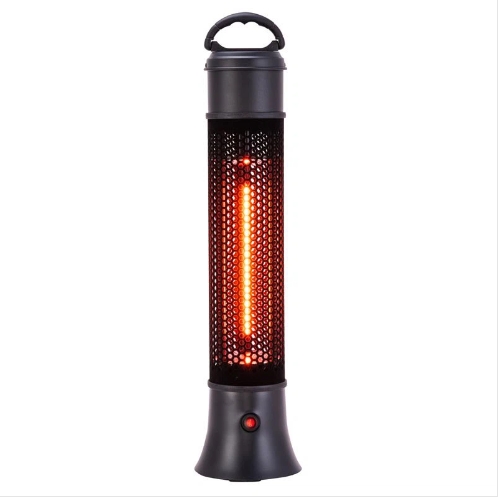
Getting Your Gazebo Warm: The Truth About 1500W Infrared Heaters
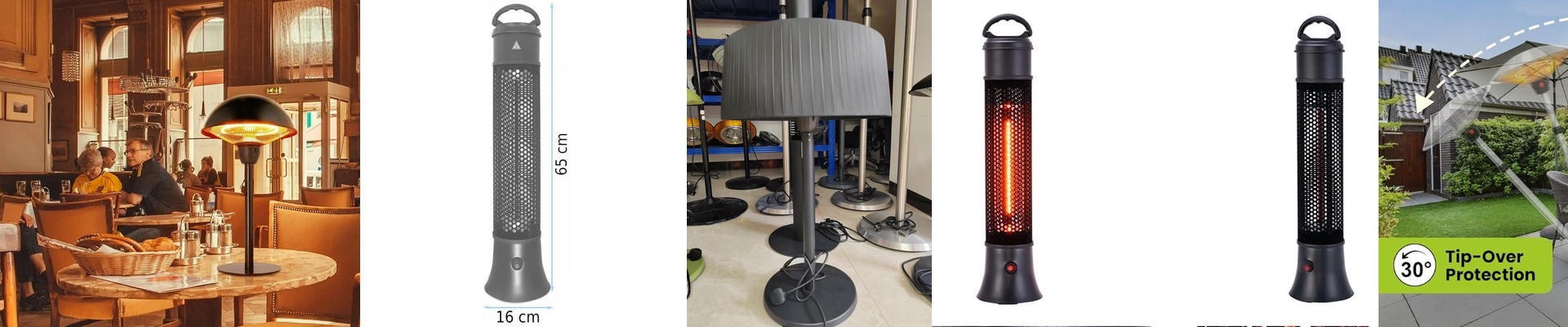
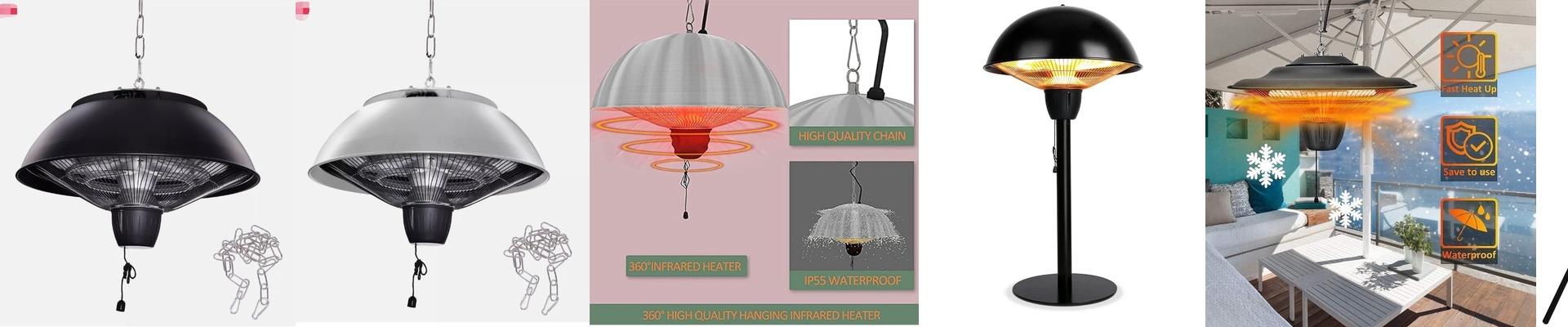
If you’ve ever tried to heat an open-air gazebo or a drafty changing room, you know the struggle. You turn on a heater, but the warmth just… disappears. That’s because most heaters try to warm the air. But in a place with high ceilings or a breeze, that warm air just floats straight up to the sky. You’re basically paying to heat the clouds. That’s where 1500W infrared heaters come in. Instead of fighting the wind, they send heat directly to you. It feels like standing in the sun. The science is pretty simple. These units send out waves that travel at the speed of light. They don’t care if the air around you is freezing; they only turn into heat the moment they hit something solid—like your shoulders or your back. You feel it instantly. No waiting for the room to “warm up.” But you can’t just slap these on a ceiling and hope for the best. Placement is everything. If you hang them too high, the heat loses its punch before it reaches you. Too low? You’ll feel like you’re standing under a heat lamp at a buffet—uncomfortably hot in one spot while your feet are still freezing. You have to find that sweet spot. Then there’s the wiring. Look, 1500W is a decent amount of power. If you’re running these on 120V, you’re pulling about 12.5A. You can’t just daisy-chain a bunch of these together on a thin wire. If you do, you’re asking for a tripped breaker or, worse, a melted wire. Give them their own dedicated circuits. It’s safer, and it actually works. One last thing to keep in mind: the “shadow” problem. Since infrared heat travels in a straight line, it can’t bend around things. If a big pillar or a piece of furniture is between you and the heater, you’re in the shade. You’ll feel a literal cold spot. When you’re installing these, make sure there’s a clear line of sight from the heater to where people will actually be sitting. Once you get that right, you can actually enjoy your outdoor space without shivering.