Keeping Bathrooms Warm Without the Blinding Glare
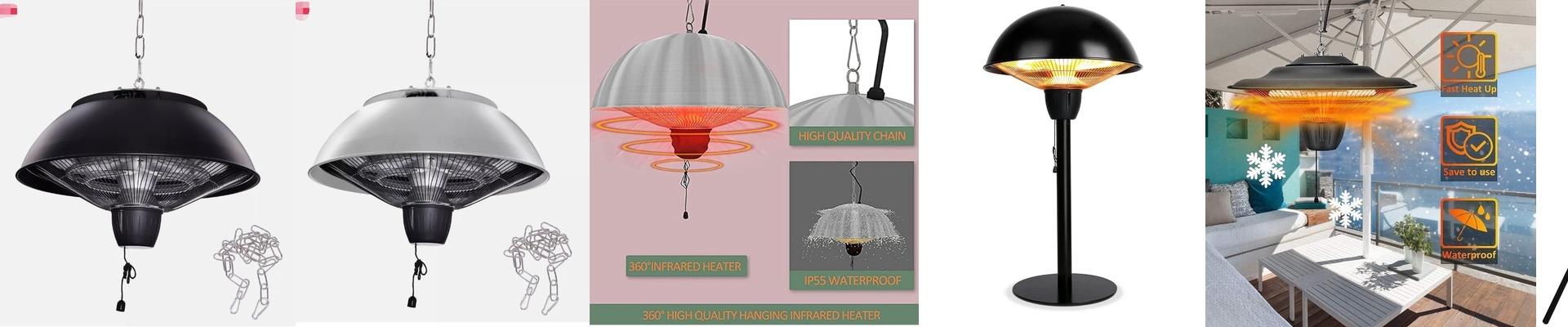
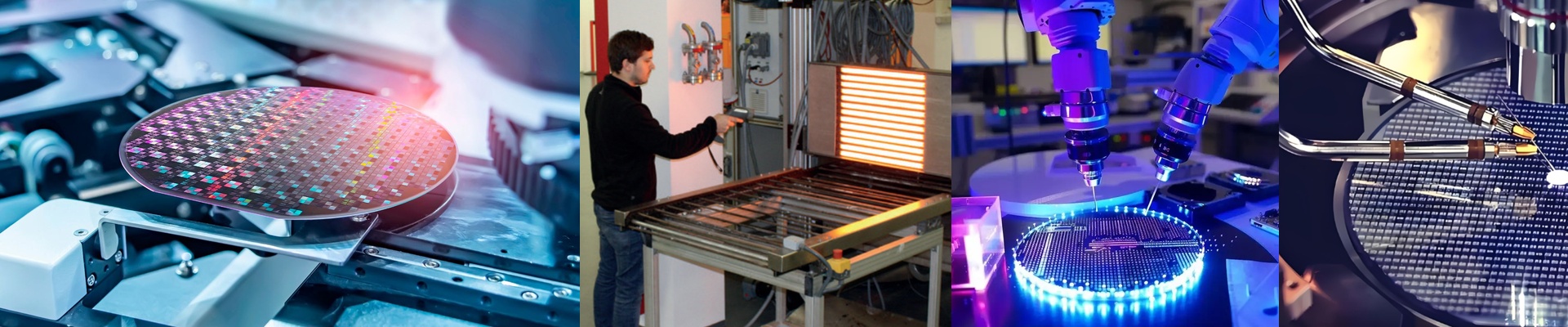
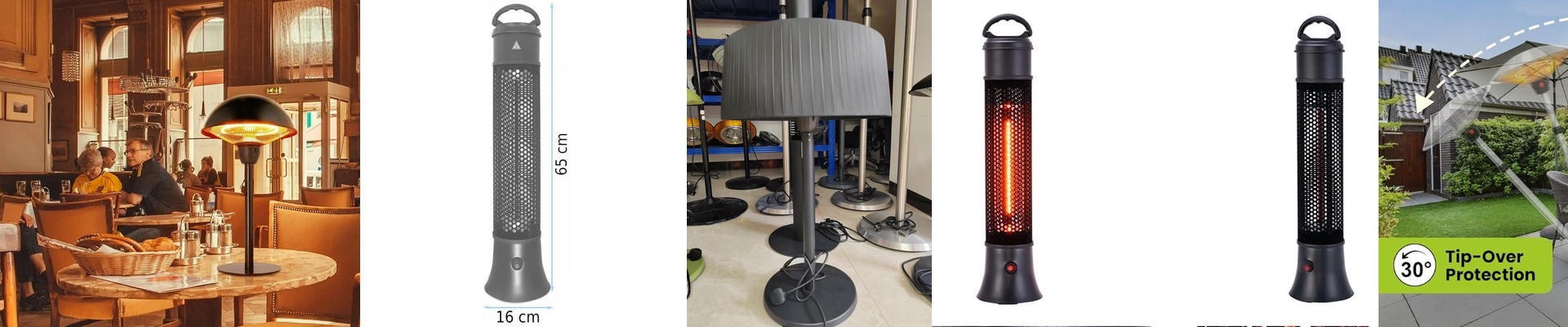
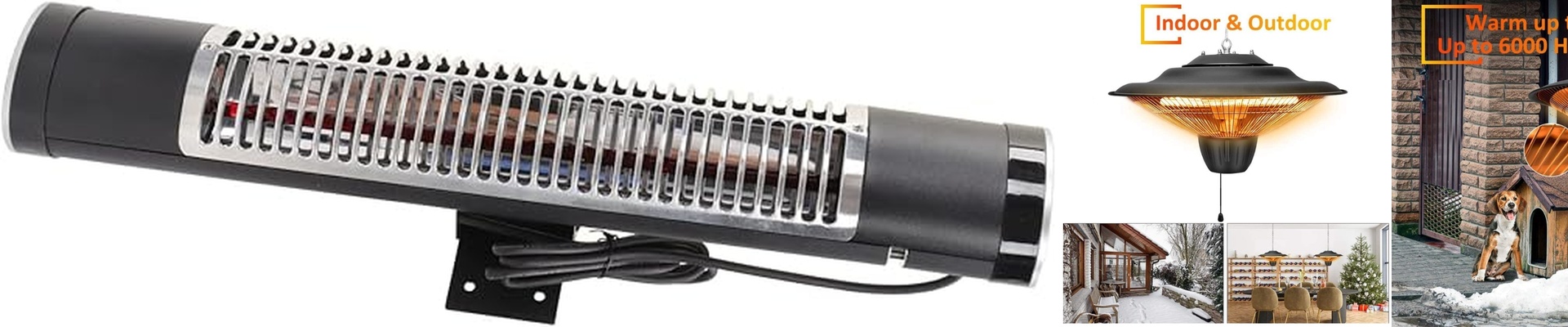
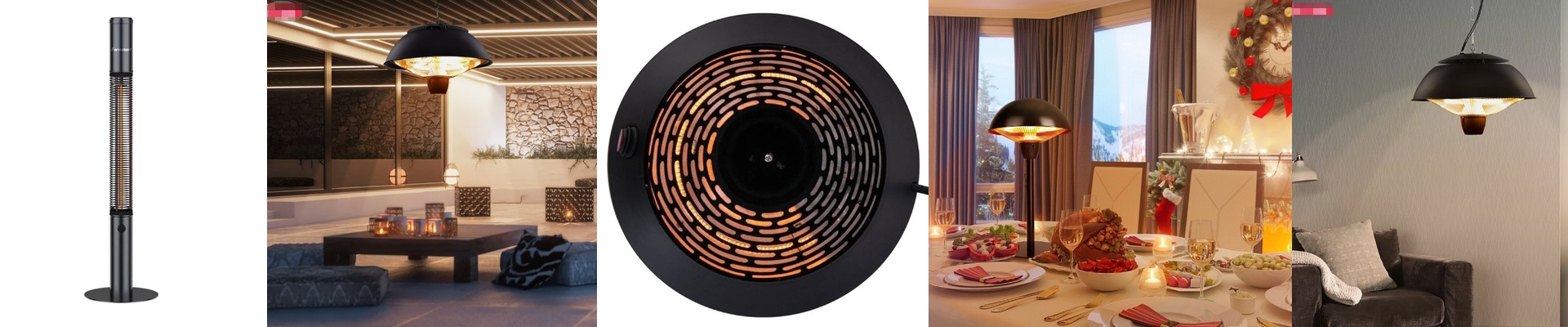
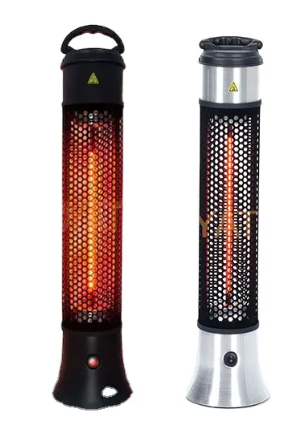
When you’re designing a heater for a bathroom, you’re dealing with a tricky spot. You’ve got high humidity, steam everywhere, and—most importantly—people. Often, it’s babies or elderly parents who are standing right under the heat source. The real problem isn’t actually the heat. It’s the light. The “Blinding” Problem Most standard infrared lamps have this harsh, blinding glare. It’s the kind of light that makes you squint and can actually be pretty hard on sensitive eyes. We didn’t think that was okay for a home. So, we tweaked the spectrum. By using special quartz coatings and shifting where the light peaks, we stripped away the UV and that aggressive white light. You still get all the cozy warmth, but without the “staring into a flashlight” feeling. It’s just safer for everyone. Water, Dust, and Heat Since these live in bathrooms, they need to be tough. We gave them an IP55 rating, which is just a fancy way of saying they can handle dust and splashes of water without breaking a sweat. We sealed the electrical bits tight so moisture can’t sneak in and fry the system or rust the casing. Inside, we use high-purity quartz tubes. These are great because they heat up almost instantly. But because they get so hot, we had to be smart about the outer shell. We used heat-resistant alloys so the outside of the unit doesn’t become a burn hazard if someone accidentally brushes against it. Getting Them Installed We wanted these to be easy. They’re designed to slide right into the spot where your old bathroom heater used to be, and the wiring is straightforward. No need for a degree in electrical engineering to get them running. One thing to keep in mind: because we filtered out that harsh light to protect your eyes, these don’t “punch” through the air quite as aggressively as a giant industrial lamp would. You lose a tiny bit of raw speed, but you gain a lot of peace of mind. Just a tip—if you’re putting these in a room with really high ceilings, make sure you pick a higher wattage. Otherwise, the heat might vanish before it ever hits the floor.