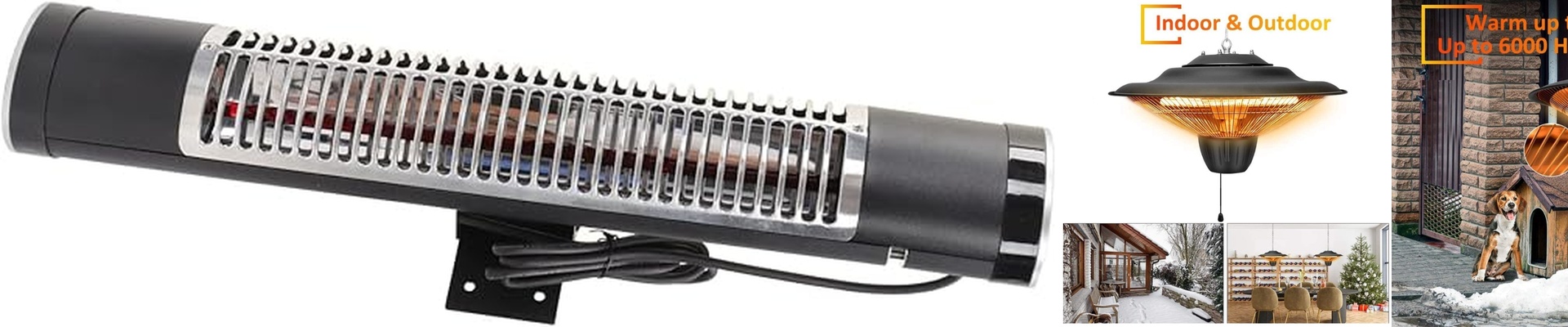

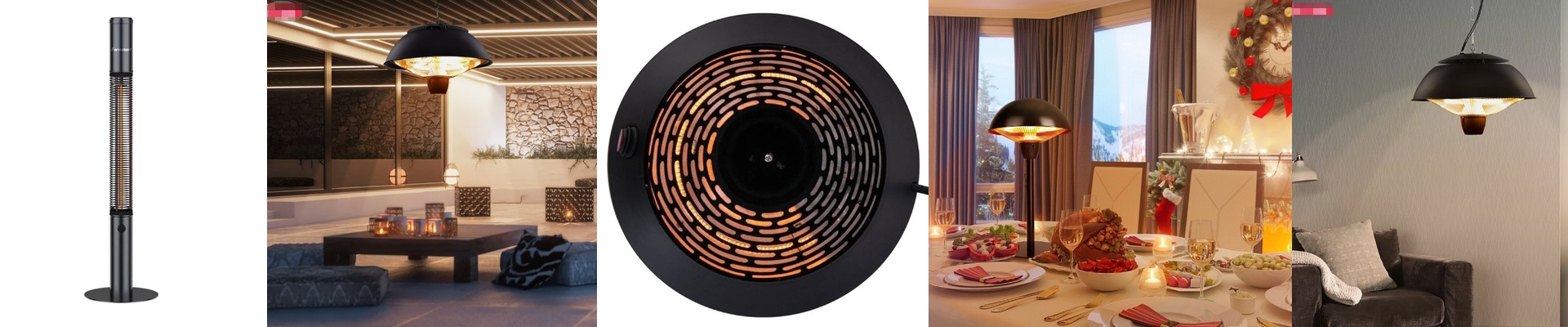
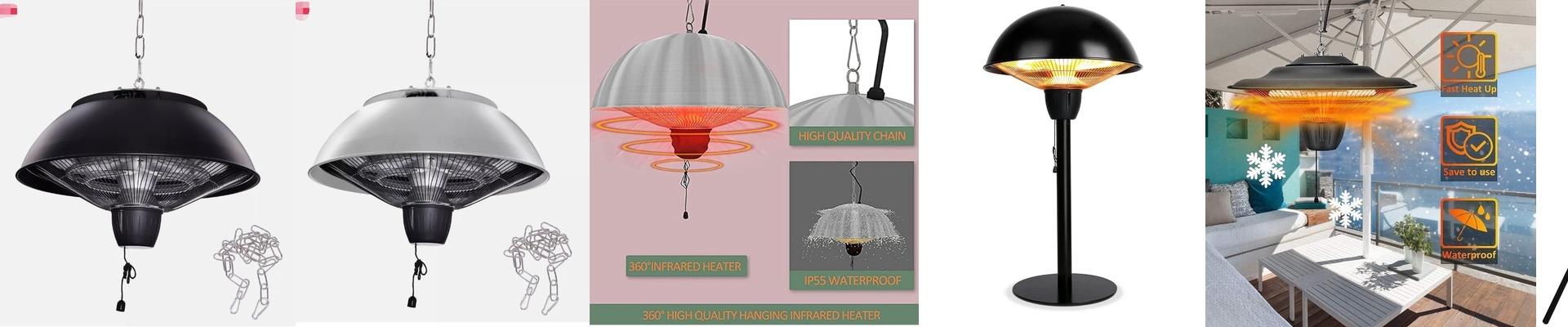
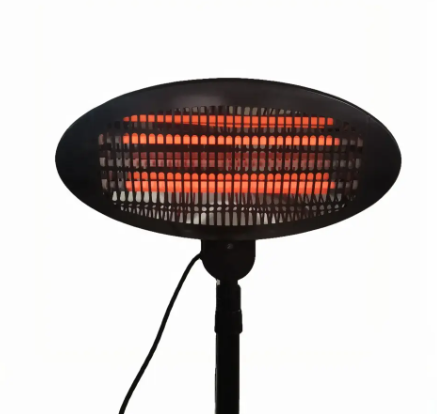
High Ceiling Infrared Heater: The Smart Design That Keeps It Running When the Weather Turns
Let’s talk about a heater that doesn’t just survive tough spots—it thrives in them. We built this high ceiling infrared heater for places where moisture hangs around, dust is a fact of life, and the temperature swings wildly. The whole point? Deliver steady, comforting heat without giving up early. We keep the heating element bone-dry, the output rock-solid, and the maintenance way less of a headache.
Power, Voltage, and Size—Sorted for the Real World
Here’s the setup: 2500W of output at 400V, packed into a 300mm tube. That combo gives you serious heat density without taking up a ton of space. Perfect when you’re squeezing a heater into a tight spot but still need serious wattage per square meter. Going with 400V means less current on the line, so you get less voltage drop over distance and less strain on those connection points. And the 300mm length keeps the unit light and easy to mount. Just a heads-up: the element runs hot. Plan your clearance and ventilation so it can breathe.
What’s Inside: Halogen, Coating, and a Solid Connection
Inside, you’ve got a halogen-filled quartz tube. That keeps the filament temperature steady and the heat output consistent over time. The gas inside slows down filament evaporation, which is a big reason this heater lasts. We also added an anti-fog coating on the tube. No more condensation clouding the surface—because fog doesn’t just block heat, it stresses the whole system. And when the environment gets messy? The splash-proof layer kicks in, shrugging off water and coolant splashes. For the connection, we went with an R7s connector. It’s a proven industrial choice that handles high temperatures and gives you a secure, low-resistance electrical fit.
Where It Shines—And What to Keep in Mind
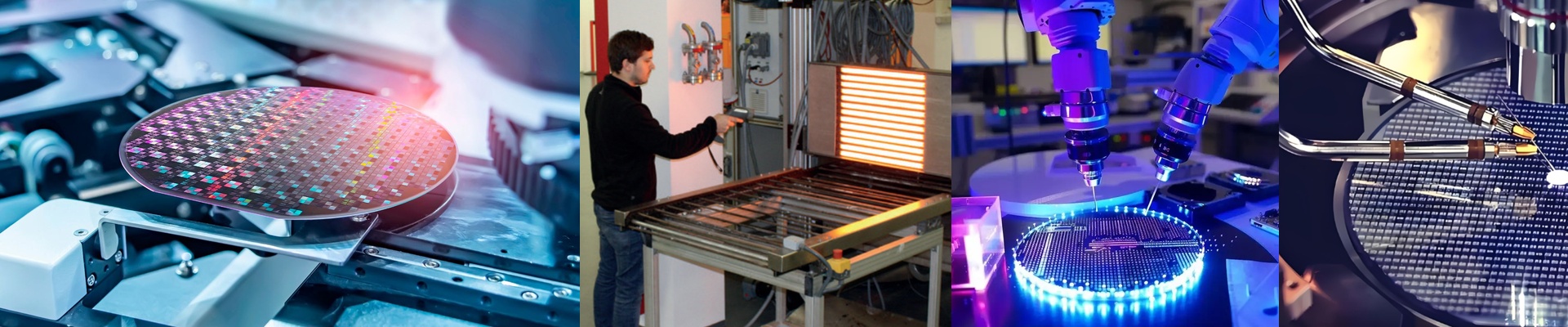
This heater is made for high ceilings in workshops, warehouses, and process areas where humidity and particles are part of the daily routine. The anti-fog and splash-proof protection shields the quartz tube and the termination points, cutting down on corrosion and shorting. The payoff is simple: heat you can count on, fewer surprise shutdowns, and easier maintenance. One trade-off: that high power density needs thoughtful thermal management where you mount it. Size your enclosure and cooling right, and you’re golden.