Stop the Shards: Keeping Your Wafers Clean When Heaters Fail
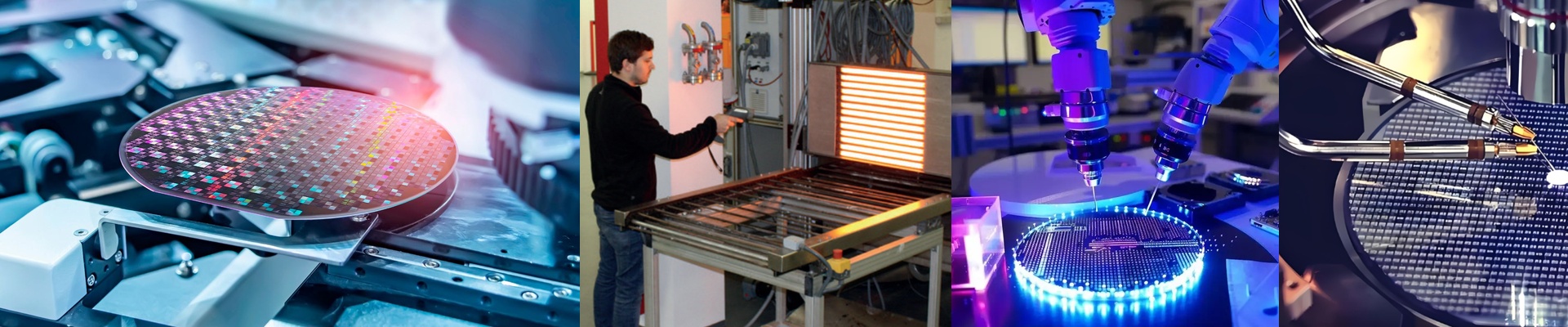
In a wafer fab, a burst infrared lamp is more than just a headache or a bit of downtime. It’s a nightmare. When a quartz tube gives out during a high-load run, it doesn’t just stop working. It showers your silicon with glass shards and particulates. One bad lamp can wipe out an entire batch of chips in seconds. We build our clean room heaters specifically to make sure that doesn’t happen. The “Safety Net” Approach We don’t just trust the quartz tube to hold everything together. That’s a gamble you shouldn’t take. Instead, we wrap our heaters in a secondary containment sleeve or a custom protective housing. Think of it as a fail-safe. If a lamp cracks from thermal shock or just burns out, the housing catches the debris. The mess stays inside the sleeve, and your wafers stay pristine. It turns a potential disaster into a simple, contained part replacement. Handling the Heat High-wattage density is brutal on materials. Things expand fast, and that puts a massive amount of stress on the glass. To fight this, we use high-purity fused quartz. It’s tough enough to handle aggressive heating cycles without flinching. We also spend a lot of time making sure the heating elements are centered perfectly. If the heat isn’t spread evenly, you get hot spots. Those spots become weak points. Eventually, they snap. We pick materials that can take the heat of a rapid bake without bowing or warping. It just works. The Little Things That Cause Big Problems Here’s a tip: watch your connections. A loose terminal leads to arcing, and arcing is a fast track to a blown tube. We use reinforced terminals that stay tight, even when things are vibrating. And keep an eye on your power supply. Voltage spikes can push a filament way past its limit, causing it to pop instantly. Stability is everything. One small trade-off Now, full disclosure: adding a protective housing does get in the way of the IR transmission a little bit. You might notice you need to tweak your ramp-up times or bump up the power slightly to get the same results. It’s a small price to pay, though. You’re trading a tiny bit of raw heat for the peace of mind that you won’t wake up to a contaminated clean room.