
Stop Wasting Time: Why Vacuum IR Heating Just Makes Sense for Semis
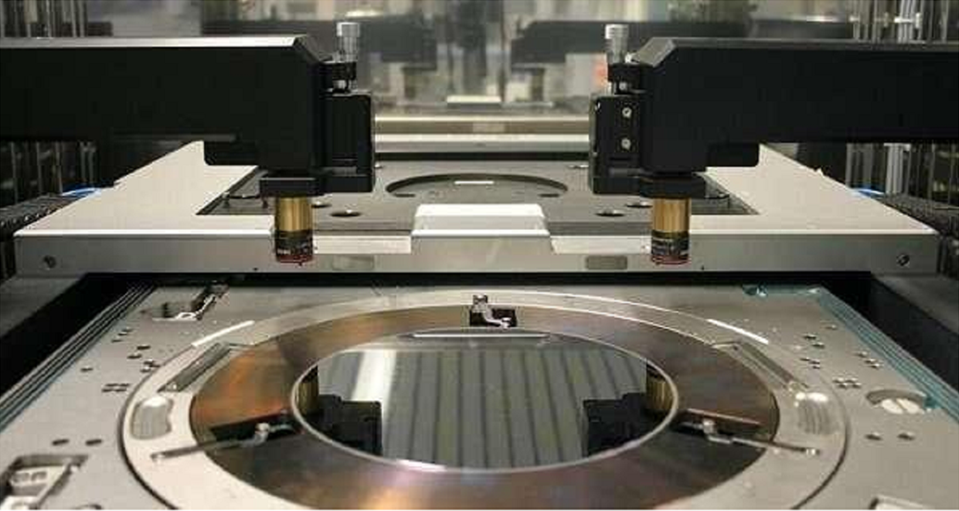
If you’re still relying on hot air circulation for semiconductor deep processing, you’re probably spending way too much time just… waiting. Switching to vacuum infrared (IR) heaters isn’t some fancy “upgrade” for the sake of it. It’s actually a completely different way of getting heat onto a wafer. Think about it: forced air needs a gas to move heat around. But once you’re in a vacuum, that gas is gone. IR solves this by using photons to beam energy straight into the substrate. No middleman required. The speed is where it gets interesting. With hot air, there’s this annoying lag. You heat the air, then the walls, then finally the part. It’s a slow crawl. IR is different. It hits the target instantly. I call this cutting the “time cost.” Instead of sitting around while a chamber soaks in heat, the IR lamp triggers a response the second you flip the switch. When you’re running high-volume lines, those saved seconds add up to a massive jump in how many wafers you can actually push through. But you can’t just throw any lamp in there. Working in a vacuum means you need specific gear. We use quartz envelopes because they can handle the pressure difference without imploding—which is pretty much a requirement if you want the machine to keep working. The best part? You get a ton of heat in a tiny footprint. You can aim the energy exactly where the wafer sits instead of wasting power heating up the entire vacuum vessel. Now, a word of caution: watch your power density. If your lamp array isn’t balanced or your wafer isn’t rotating, you’ll end up with “hot spots” that can ruin a batch. You also have to tune your PID controllers for that lightning-fast IR response. If you don’t, you’ll overshoot your target temperature and potentially fry the substrate. The bottom line on throughput. When you move to IR, you can actually use smaller chambers and hit much faster ramp rates. We’re talking about getting parts up to temp in seconds, not minutes. It’s a trade-off. You give up the simple blower fan, and in return, you get the precision of electromagnetic radiation. For most of us in deep processing, that’s a trade we’re happy to make.