
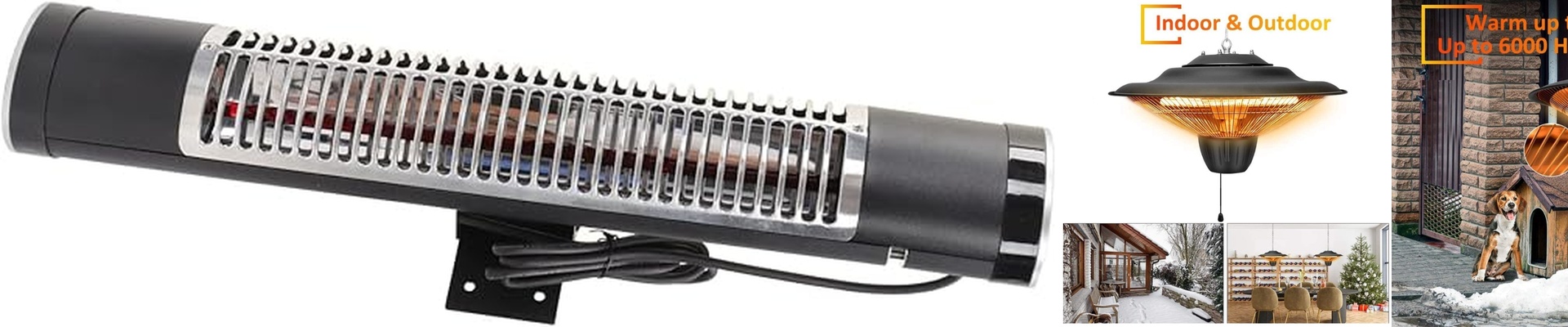
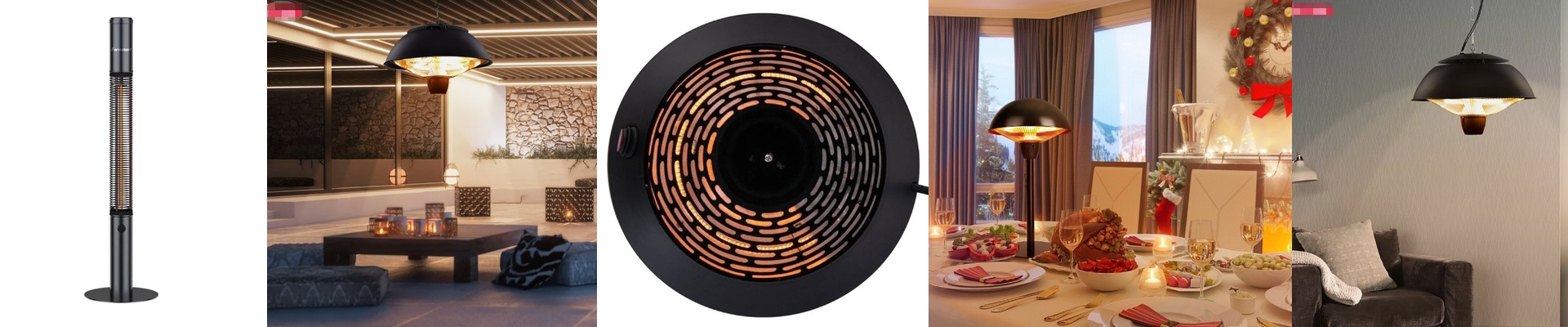
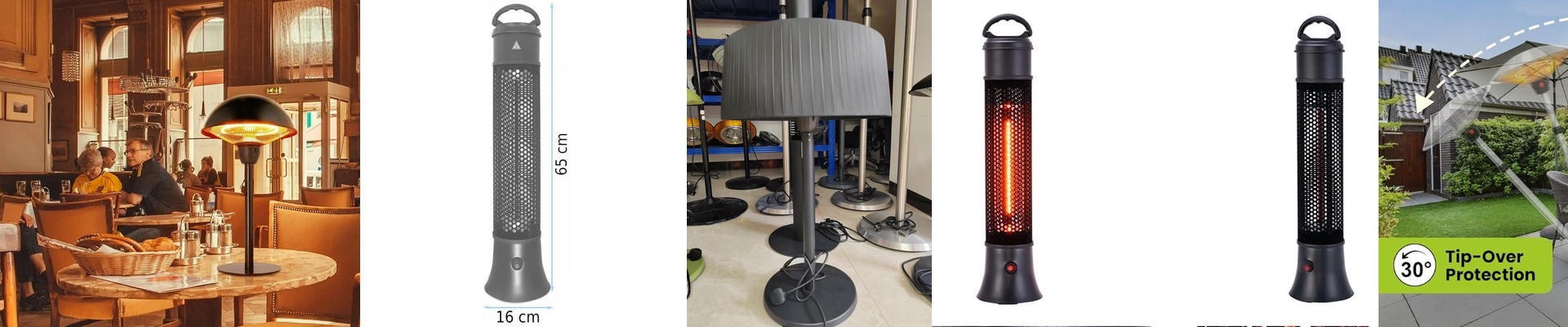
Why Most Bathroom Heaters Die (And How We Fixed Ours)
Let’s be honest: bathrooms are a nightmare for electronics. You’ve got thick steam, random splashes of water, and those wild temperature swings from a hot shower to a cold floor. For most infrared lamps, it’s a death sentence. They just burn out. We got tired of seeing heaters fail, so we changed how we build them.
The Battle Against Water
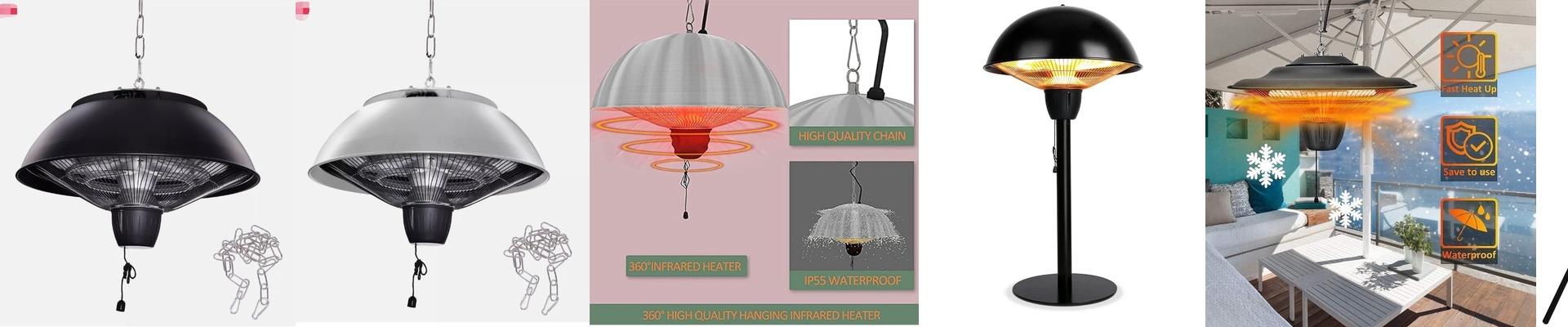
Water is the number one killer here. It’s simple physics. When a cold drop of water hits a scorching hot quartz tube, the glass goes through a “thermal shock.” It creates these tiny, invisible micro-cracks. Eventually? The tube just snaps. To stop that, we built a chassis that actually diverts water away from the core. We use heavy-duty gaskets and sealed junctions so steam can’t sneak into the wiring. It keeps the guts of the machine bone-dry, which means no short circuits and no surprise failures.
Dealing With the Fog
You know that thick fog that fills the room? It’s not just annoying to look at. When those droplets cling to the heater, they create “cold spots.” This forces some parts of the heating element to work way harder than others, wearing the unit out faster. We added anti-fog coatings and tweaked the airflow to keep the lens clear. By keeping the surface temperature steady, the condensation can’t stick. The heat stays consistent, and the emitter doesn’t have to struggle.
A Quick Heads-Up on Installation
Here is the catch. Because we sealed the housing so tightly to keep water out, the unit can’t “breathe” as easily as a cheap, open-air heater. That means you can’t just shove it anywhere. You need to give it the proper clearance. If you mount it too tight against a wall or ceiling, the safety cutoff will trip because it’s getting too hot inside. You’ll find the unit clicking on and off constantly, which is frustrating and kills the lifespan. Just give it some breathing room. Do that, and the thing will last for years.