Why Your Bathroom Still Feels Damp (And How to Actually Fix It)
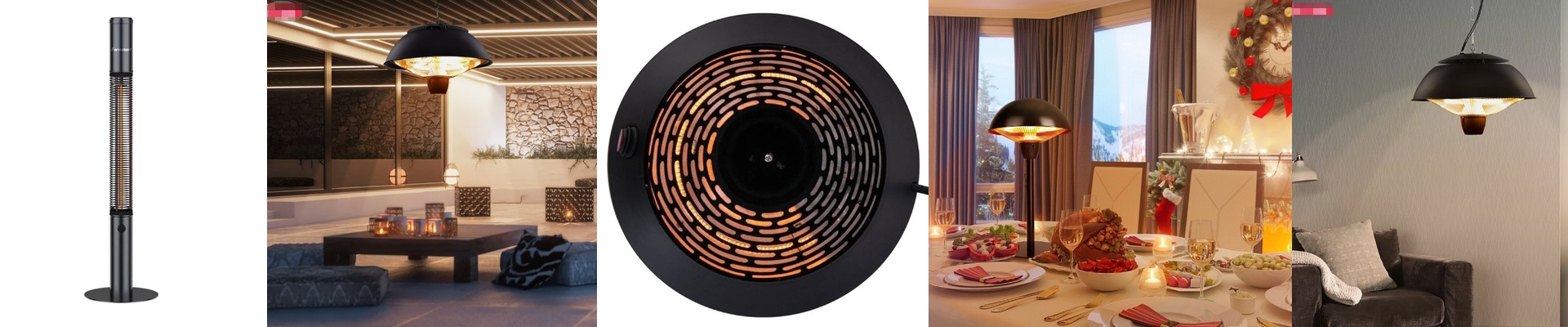
Ever notice how you can crank up the heat in your bathroom, but the walls still feel ice-cold and clammy? That’s because most heaters just warm up the air. It feels okay for a second, but the walls and ceiling stay freezing. When your hot shower steam hits those cold surfaces, it turns right back into water. That moisture sinks into your grout and paint, and that’s exactly where mold decides to move in. We do things differently. We use short-wave infrared (IR) lamps. Instead of trying to heat the air, IR sends energy straight to the surfaces. It’s all about the surfaces. Think of it like standing in the sun on a chilly day. The air is cold, but your skin feels warm. Our lamps do the same thing to your tiles and walls. By warming the actual surface, we keep it above that “dew point” where steam turns into droplets. If the walls stay dry, mold spores have nowhere to land. They just can’t get a grip. Here’s the thing: trying to dry a room by just blasting the air is a losing battle. It’s way more effective to kill the “cold spots.” When the walls are warm, the moisture stays as a vapor, making it easy for your vent to actually pull it out of the room. A few things to keep in mind for the setup. You can’t just throw these into any old light fixture. These lamps pack a punch and get incredibly hot. If you use cheap plastic trim or the wrong housing, things will melt—or your safety switches will trip every five minutes. You need the right heat-resistant gear. Also, don’t just leave them on all day. That’s a waste of electricity and will kill the bulb way too fast. The best way to do it? Hook them up to a timer or a humidity sensor. Run them while you’re showering and for a bit afterward to “flash-dry” the room. You’ll find you don’t have to rely so much on those loud, rattling exhaust fans, and your bathroom actually stays fresh.