
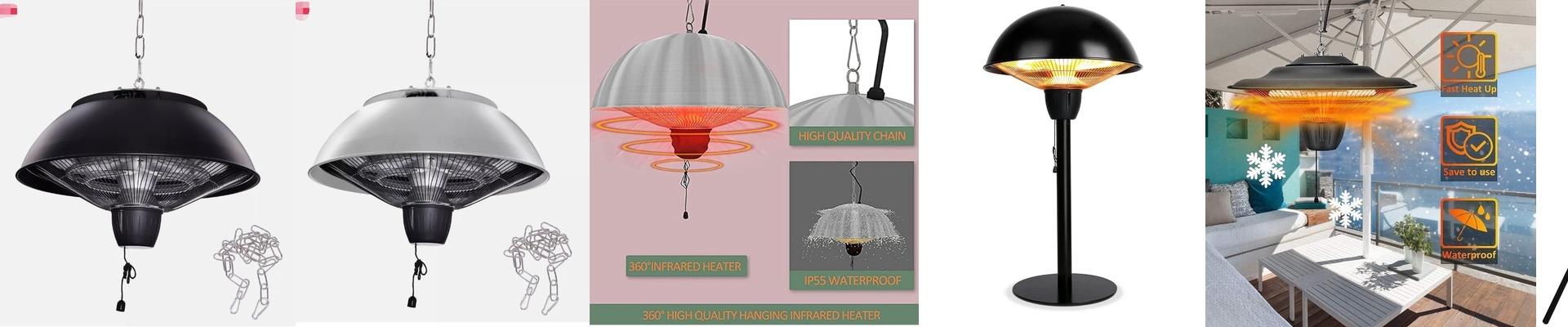

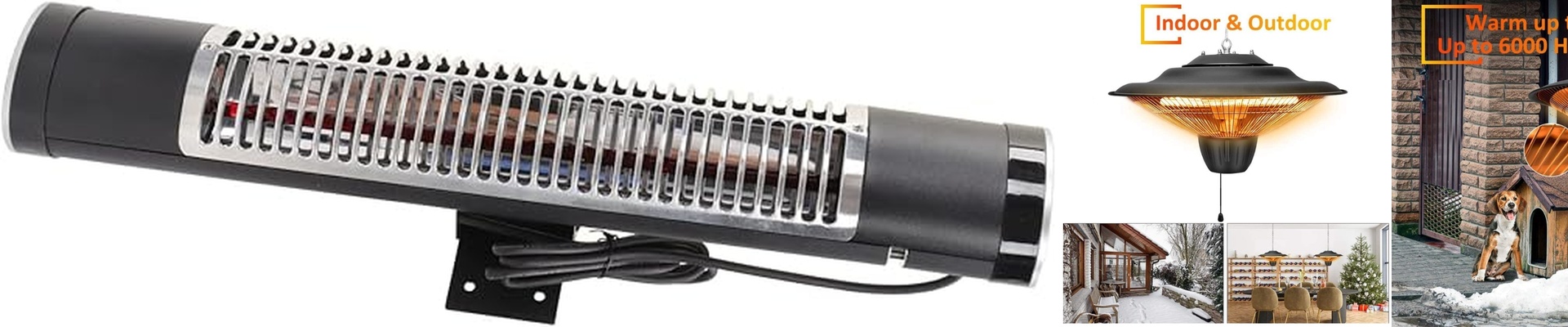
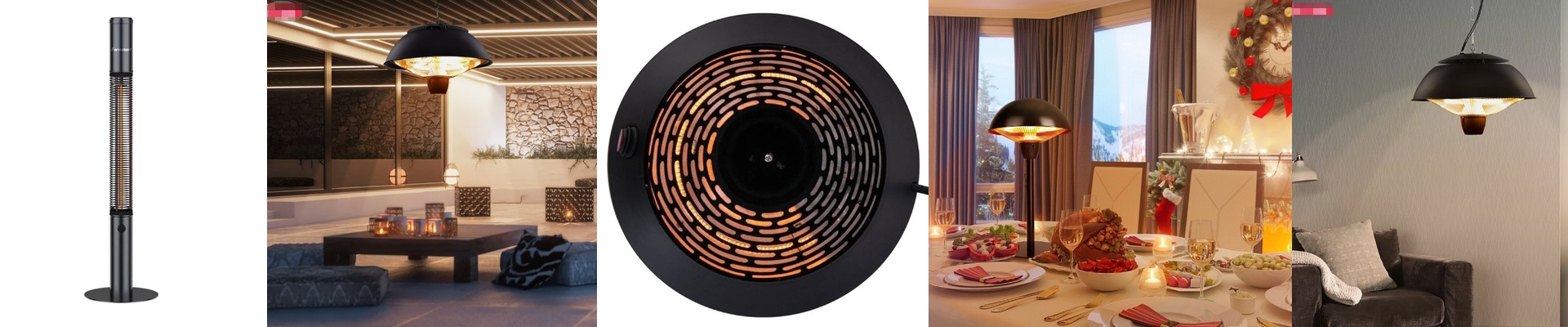

Keeping Your Bathroom IR Heaters Safe (and Dry)
Putting infrared heaters in a bathroom is a bit of a balancing act. You’ve got steam everywhere and water splashing around—basically the two things electricity hates most. You can’t afford a glitch when someone is standing on a wet floor. To keep things safe, we focus on two main things: the materials we use and how we seal the whole thing up.
The Right Stuff for the Job
We start with high-grade quartz glass for the heating element. Why? Because it doesn’t conduct electricity. Simple as that. The real headache is where the wires connect. That’s where things usually go wrong. To stop that, we use reinforced ceramics or special high-temp polymers. These won’t warp or crack after being heated and cooled a thousand times. And because humidity loves to find a way in, we don’t just rely on the casing. We use double-insulated wiring and a bit of silicone potting at the connection points. It basically creates a waterproof plug so moisture can’t sneak in and cause a leak.
Dealing with the “IP Rating”
You can’t just throw a standard heater in a bathroom. You need something rated for moisture—at least IP44, but if your bathroom gets really steamy, IP65 is the way to go. It all comes down to the gaskets. We use silicone O-rings to seal the gap between the heater and the ceiling. It’s a small detail, but it’s what keeps the internal guts of the machine bone-dry.
The Big Trade-off: Heat vs. Air
Here’s the tricky part. If you seal a heater too tight to keep water out, you trap the heat inside. If that happens, the components can literally cook themselves. To fix this, we use aluminum housings. Aluminum is great because it acts like a heat sink. It pulls the heat away from the electrical parts and pushes it outward, so the unit stays cool enough to last while still keeping the water at bay.
The Safety Net
Even with all those seals, we don’t gamble. We always run a ground wire. Every single unit is bonded to the building’s earth. Plus, we pair these heaters with a 30mA RCD (Residual Current Device). Think of it as a super-fast kill switch. If a seal ever fails and a leak happens, the RCD trips the power in a fraction of a second. It’s the ultimate peace of mind when you’re dealing with water and electricity in the same room.