


Stop Letting Your Heater Wires Burn Out
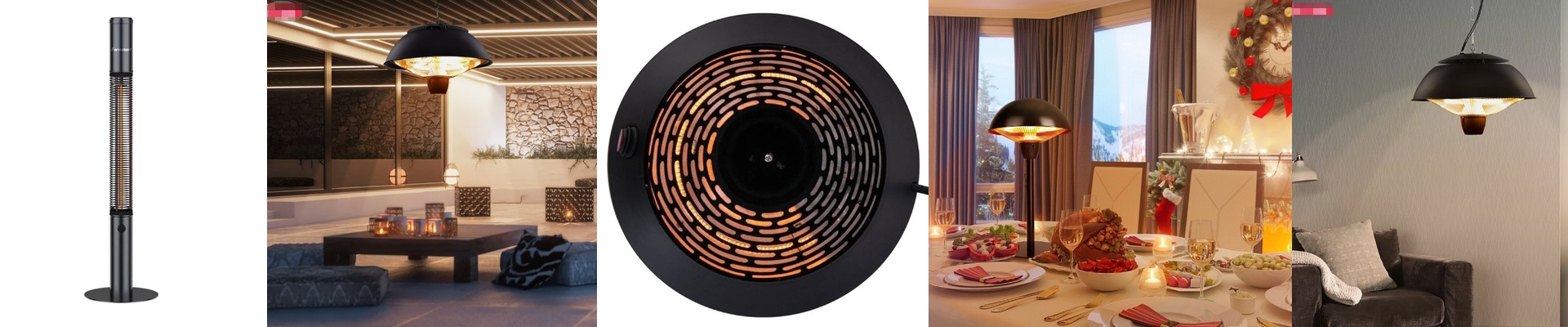
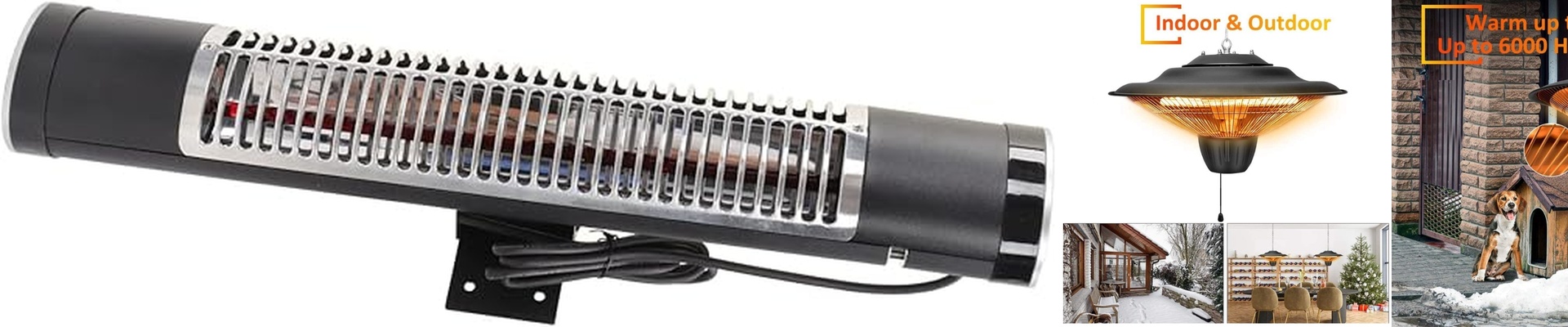
If you’ve ever installed radiant heaters in a Factory ceiling, you know the drill. Everything looks great on day one. Then, a few months in, a unit goes dark. You send a guy up on a lift only to find the lead-wire connection is toasted. Most off-the-shelf heaters rely on basic crimps or some cheap heat shrink. In a high-heat environment, that stuff just doesn’t hold up. The insulation gets brittle, it cracks, and before you know it, you’ve got a dead short. Here is what’s actually happening. The heat from those quartz tubes doesn’t just blast downward toward the floor. It crawls backward, right toward the electrical terminals. We call it “thermal soak.” Standard PVC or silicone sleeves can’t handle that kind of constant baking—they oxidize and burn away. Once that happens, you have bare wires touching a metal chassis. It’s a recipe for disaster, and it happens way too often with heaters that aren’t built to a professional standard. The fix is all in the seal. We do things differently. Instead of just sliding a wire into a sleeve, we use high-temp ceramic beads or glass-to-metal seals to lock the wire in place. It’s a physical barrier. The connection is hermetically sealed, which means it’s airtight. This is huge in a factory setting because it keeps out the moisture and the industrial dust that usually cause those “mystery” shorts that drive technicians crazy. One thing to keep in mind, though. Because this seal is so solid, the lead wires are stiffer. You can’t just bend them around corners or yank them into place like you can with cheap, loose wiring. You’ll want to double-check your mounting brackets to make sure there’s no tension on the seal. If you pull too hard, you might crack the seal itself rather than just stretching the wire. It takes a little more thought during the install, but it’s worth it. It means your heaters actually last as long as they’re supposed to, and you aren’t paying someone to climb a lift every six months to fix a burnt-out wire.