Making Your Ceiling Heaters Actually Smart
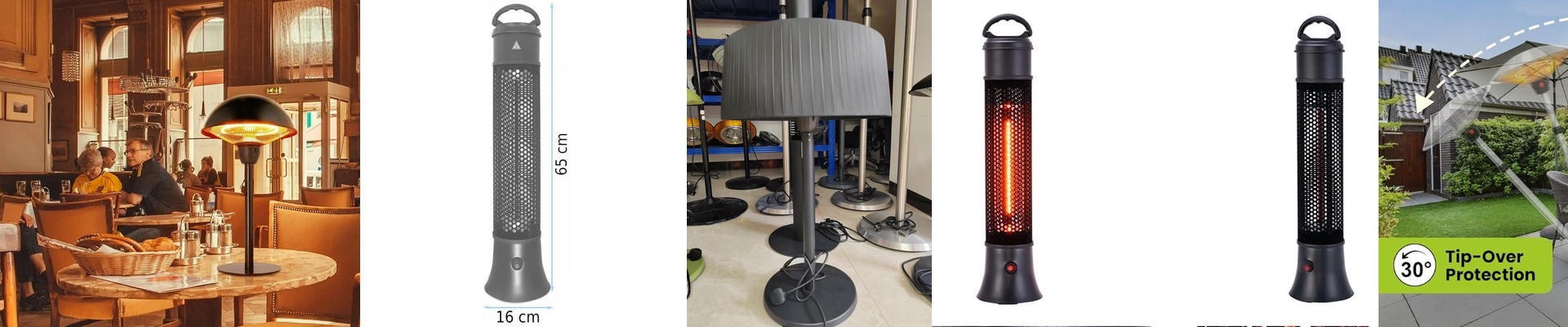
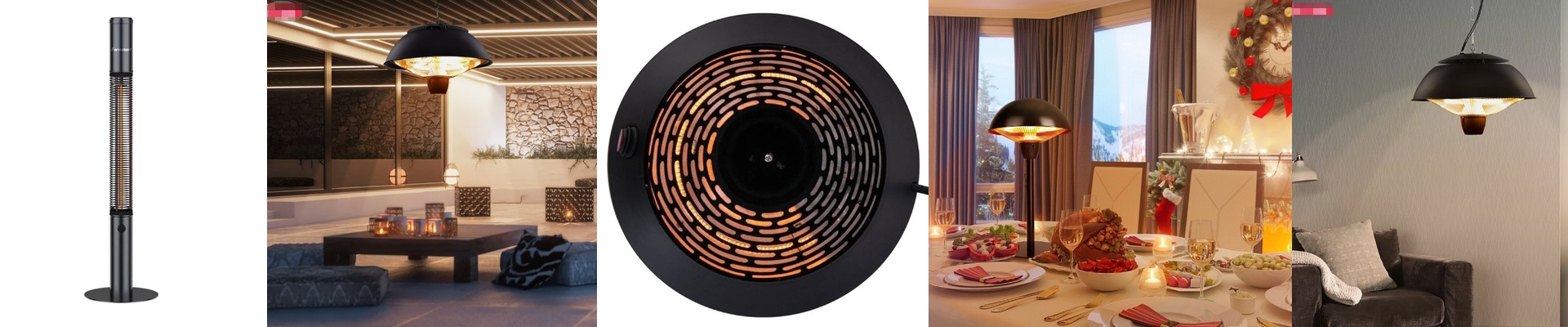
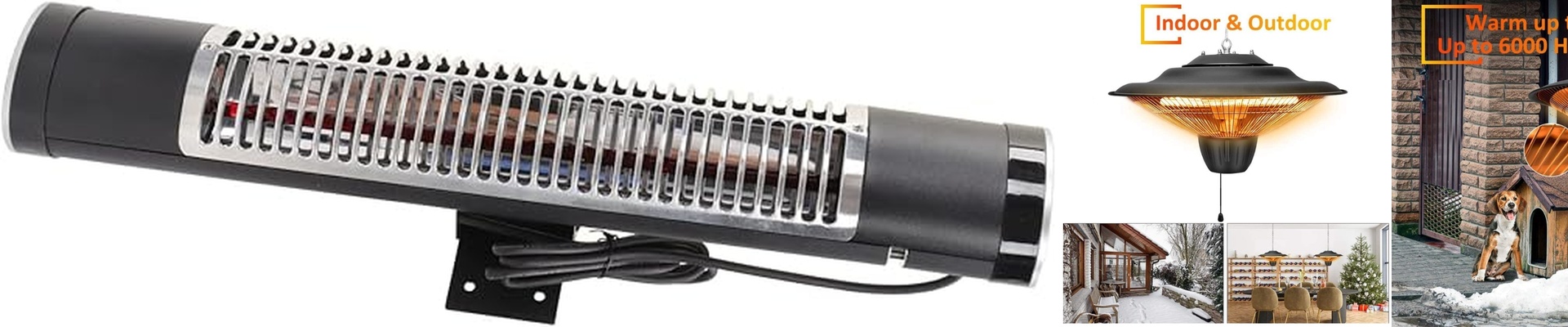
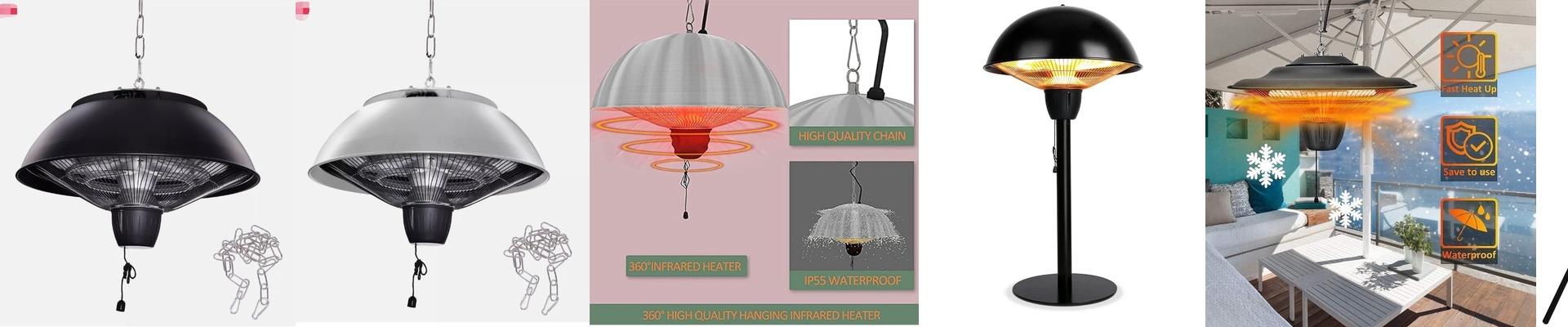
Most heaters are a pain. They spend twenty minutes trying to warm up the air in the room, and by the time you actually feel it, you’ve already put on a sweater. Ceiling-mounted infrared heaters are different. Instead of fighting with the air, they beam heat straight down onto you. It’s like stepping into a patch of sunlight on a cold day. But flipping a manual switch every time you walk into a room is a chore. That’s why we move everything over to a smart system. The magic of instant heat We use short or medium-wave emitters because they don’t mess around. There’s no “warm-up” period. The second you hit a button on your phone or tell your voice assistant to turn it on, you feel the heat. To make this happen without any annoying lag, we stick to Zigbee or Matter. It keeps the response time snappy—usually under 200 milliseconds. You tap the app, and boom, you’re warm. The gear you actually need Here is the tricky part: you can’t just plug these into a cheap smart plug. These heaters pull a massive amount of power—anywhere from 1500W to 3000W—and a standard smart switch would probably melt. Instead, we put a heavy-duty relay or a contactor inside your electrical panel. Your smart hub sends a tiny, low-voltage signal to that contactor, which then handles the heavy lifting of switching the high-voltage power to the heater. It’s safer, and it actually lasts. To make it truly “set it and forget it,” we add a PIR sensor (a motion detector) and a digital thermostat. If the room hits 18°C and the sensor sees you’ve walked in, the heat kicks in automatically. You don’t even have to think about it. A few things to watch out for It sounds perfect, but there are a couple of catches. First, because these pull so much power, your wiring has to be beefy. If the gauge is too thin, you’ll get voltage drops, which is a recipe for trouble. Also, remember that infrared heat travels in a straight line. If you have a giant wardrobe or a high shelf right under the heater, you’re going to have a “heat shadow”—basically a cold spot where the warmth can’t reach. You have to plan your furniture layout around where the heat actually lands.