Why Your Bathroom Mirror Heater Actually Fails (And How We Fixed It)
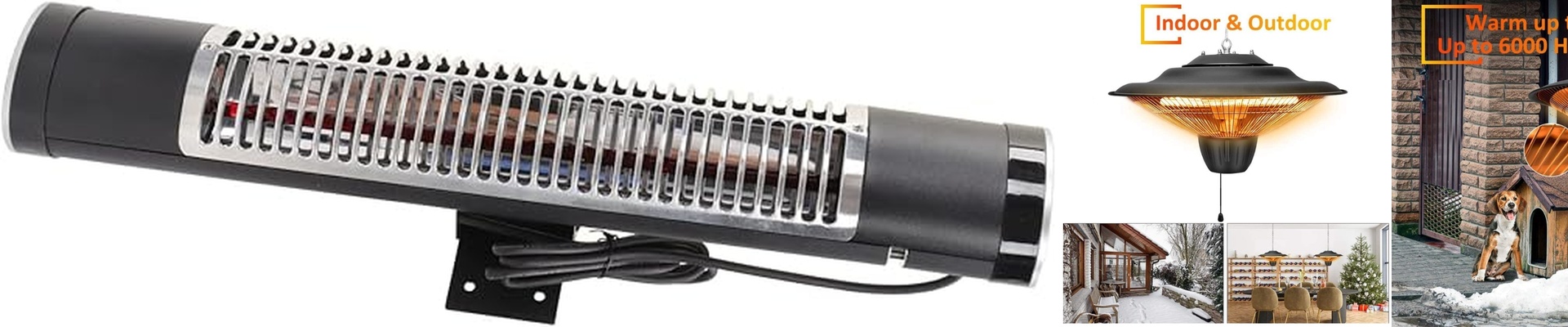
Bathrooms are brutal on electronics. You’ve got steam, humidity, and temperature swings happening every single morning. When you add an infrared heater to keep your mirror from fogging up, you’re basically putting a heat source in a damp room. Here’s the problem: most generic heaters just don’t last. They usually die at the exact spot where the power wire meets the heating element. It just burns out or shorts.
The “Gap” Problem
Think of that connection point as a stress zone. It gets hot, then it cools down. Over and over. Most companies use cheap potting compounds that shrink or crack after a few dozen showers. Once a tiny crack opens up, moisture crawls right in. That leads to rust, oxidation, and eventually, a dead heater. We do things differently. Instead of basic silicone, we use high-temp resins that actually expand and contract at the same rate as the quartz or ceramic. No cracks. No gaps. Just a solid seal that stays put.
It’s a Safety Thing
Some manufacturers just throw some heat-shrink tubing over the wire and call it a day. That’s a recipe for disaster. If the insulation gets brittle and cracks, the wire can arc. In a room full of water and mirrors, that’s a risk you just don’t want to take. We make sure our seals can handle cycling between 60°C and 100°C without losing their stretch. We’ve tested these to stay strong even after 10,000 hours of use. It’s about peace of mind.
One Quick Tip for Installation
There is a trade-off here. Because our seal is so heavy-duty, the wire is a bit stiffer than the cheap stuff. Don’t force it. If you bend the wire at a sharp 90-degree angle to cram it into the mirror frame, you might crack the seal. Give it a little breathing room—a gentle curve—and you’re golden. If you force it into a tight corner, you’re basically undoing all the hard engineering we put into keeping it sealed.