Getting Your Temps Right with IR Semiconductor Heating
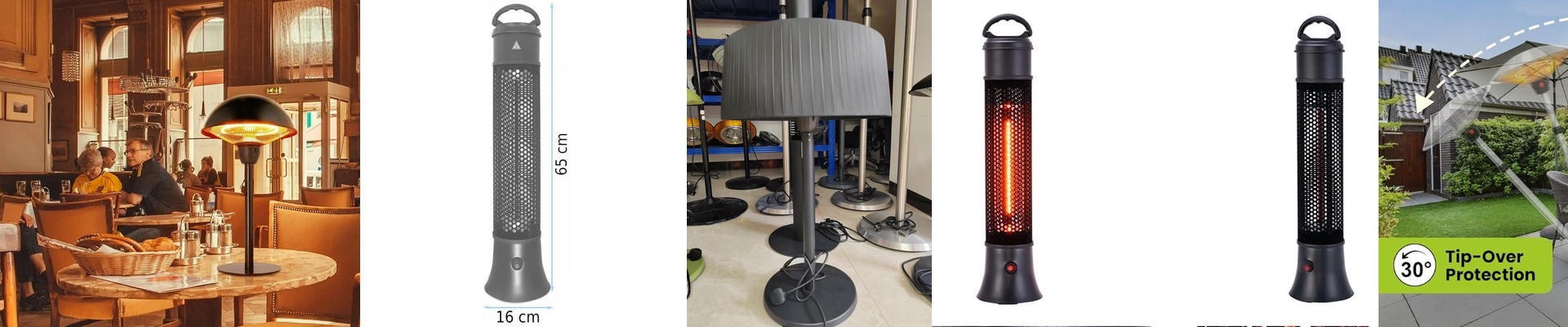
If you’re looking to cut down on your factory’s carbon footprint, switching to infrared (IR) heating lamps is a smart move. Instead of heating up a whole oven and wasting energy on the air around the wafer, IR goes straight for the target. But here’s the catch: you can’t just set it and forget it. If you’re flying blind, you’re going to ruin your wafers. To actually hit those green energy goals without tossing expensive scrap in the bin, you need a thermocouple setup that can actually keep up with the intensity of IR lamps. The struggle with lag IR lamps heat up incredibly fast. Like, really fast. If your thermocouple is slow to react, you’ll overshoot your target temperature before the system even realizes it. That’s how you burn a substrate. We usually stick with Type K or Type N thermocouples because they give the PID controllers the real-time data they need to keep things steady. When the loop is tight, the lamps only pull the power they actually need. It’s simpler, cleaner, and way better for the planet. The balancing act In a cleanroom, contamination is a nightmare. To stop outgassing, we use chemically inert sheathing on the sensors. Then there’s the size of the probe. It’s a bit of a trade-off. A thick probe is tough and can take a beating, but it’s slow to react. We usually lean toward thinner gauge wires to get those response times down. Just a heads-up: be careful when you’re installing them. They’re fragile, and it’s way too easy to snap a lead if you’re not paying attention. Finding the sweet spot Getting these sensors positioned in an IR array is where it gets tricky. If the thermocouple is too far away, you’re just measuring the air. Useless. But if it’s too close, the IR radiation hits the sensor directly, causing “drift.” You’ll see a temperature reading that’s way higher than what’s actually happening on the wafer. You have to find that middle ground between the sensor and the lamp’s focal point to get an honest reading. It takes some patience and a bit of calibration, but it’s the only way to make sure your energy savings don’t kill your yield.