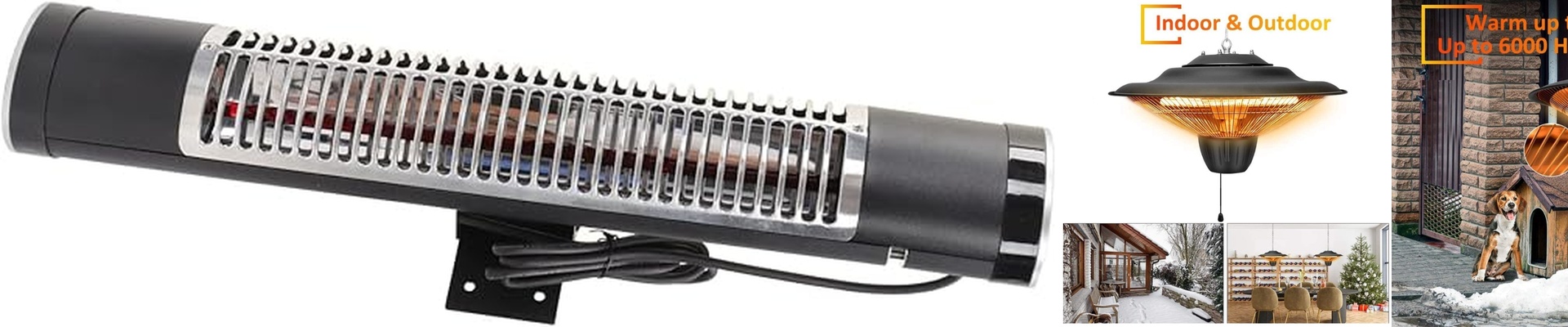

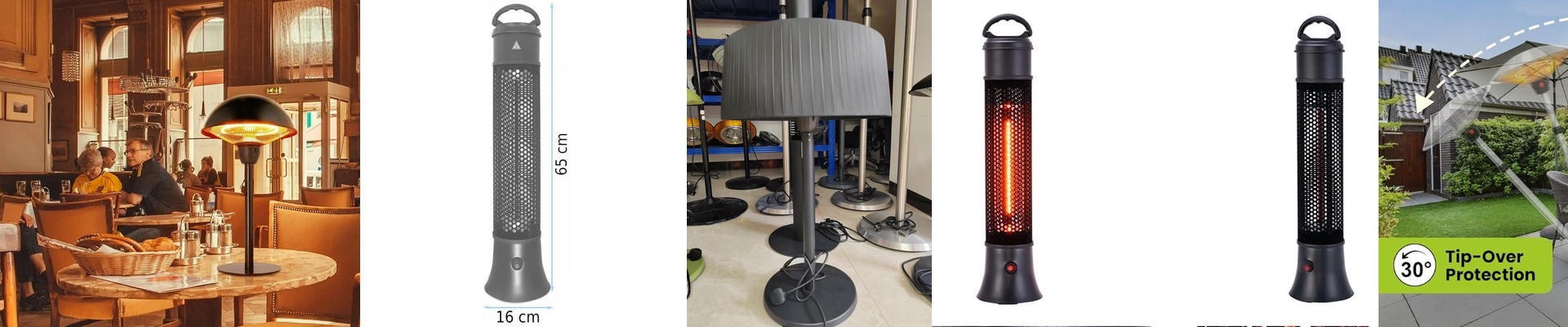
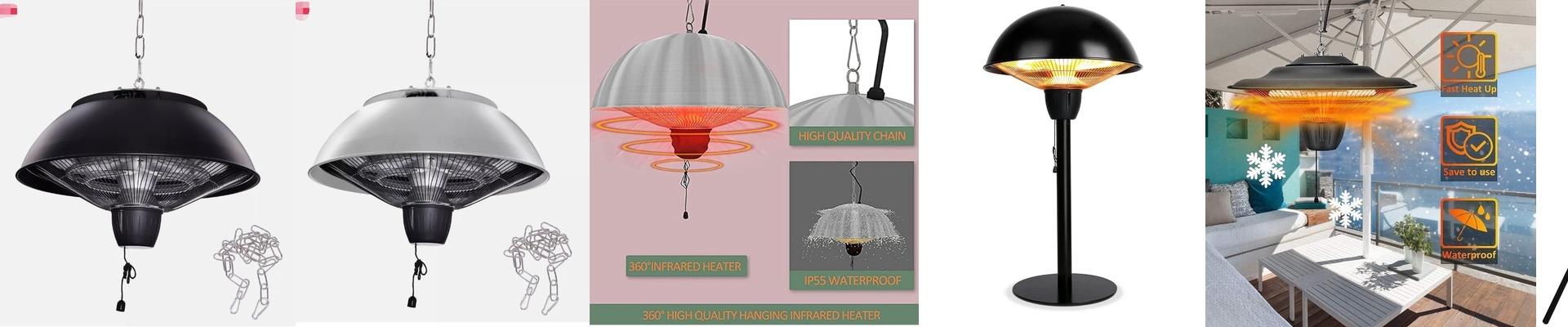
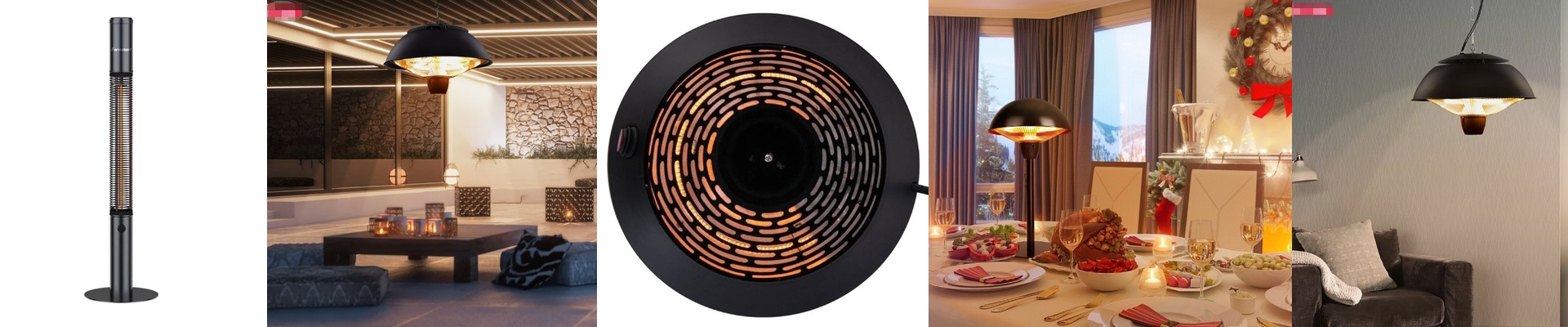

A nursery needs air that feels clean, steady, and quiet. When the temperature drops, conventional heaters can dry the room out, kick up dust, and run fans loud enough to wake a sleeping infant. A digital thermostat infrared heater flips that script—delivering warmth that feels natural, without pulling oxygen or adding noise.
What matters, technically
Infrared heaters warm people and objects directly, not the air. That gives you a soft, even comfort that doesn’t depend on forced air. Add a digital thermostat and you get precise control: set the temperature to the degree, and the unit holds it without the usual swings. Many models use a carbon fiber element or a quartz tube to produce radiant heat, and they run without combustion—so no oxygen draw, and no carbon monoxide risk. In practice, you get warmth on demand, and the thermostat keeps the element from overheating by cycling it intelligently. Throw in safety features like tip-over protection and a cool-touch housing, and you’ve got a heater built for rooms where little hands are everywhere.
Why this works in a nursery
For families with infants, comfort comes down to safety and sleep. Because infrared warmth doesn’t consume oxygen, the room air stays fresher, and humidity doesn’t crash. There’s no fan noise to startle a baby, and no drafts to rock the crib. The digital thermostat keeps the nursery steady, so you’re not chasing the dial every hour. Energy use stays focused where it should be: targeted radiant heat, right where you need it, when you need it.
The things you want to know
Infrared heaters are best for spot and zone heating. Pick a model rated for indoor use with the right safety certifications, and give it proper clearance from bedding, curtains, and toys. If you need whole-room comfort, pair it with gentle air circulation instead of leaning on a forced-air system. And as with any electric heater, use a dedicated outlet—skip the extension cords.