Getting Your Heat Where It Actually Belongs: CNT Fabrication
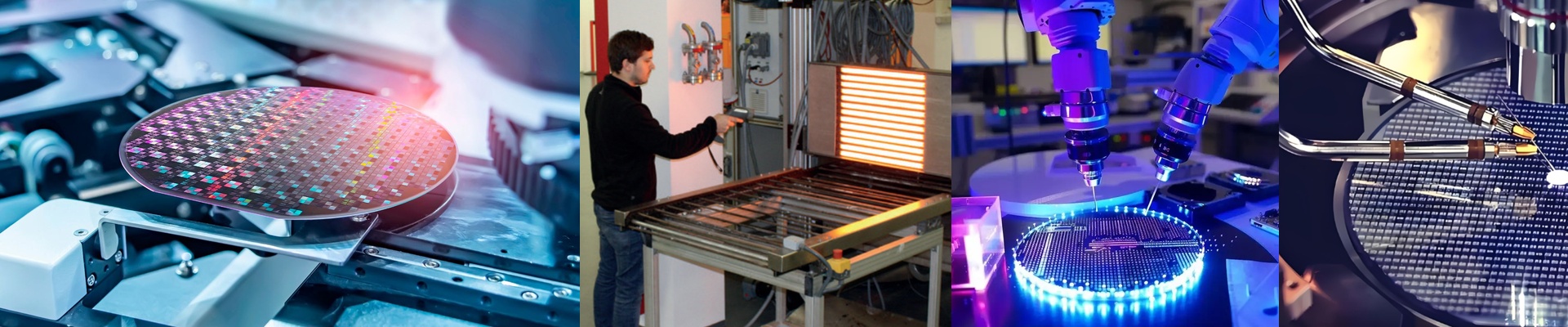
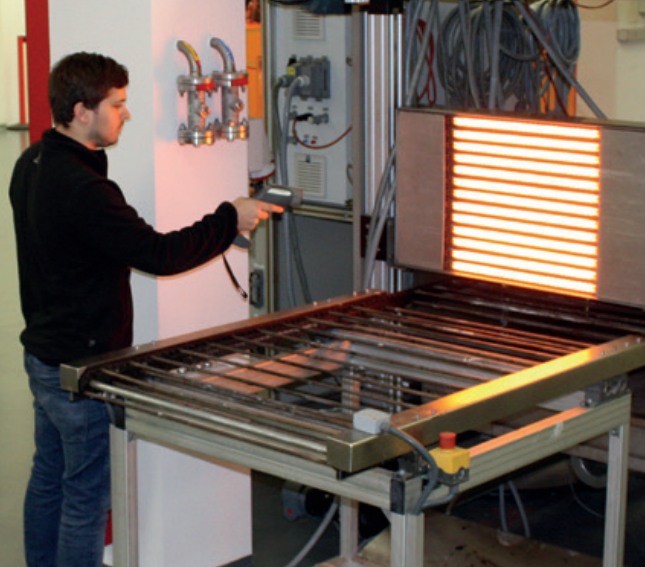
If you’ve ever worked with carbon nanotubes, you know the struggle of getting your thermal zones just right. Most people stick with standard convection or omnidirectional heating, but there’s a real problem there: you end up heating the entire vacuum chamber. It’s a waste. Your equipment housing gets scorching hot, which is a nightmare for safety and means you have to spend way too much money on massive cooling systems just to keep the machine from overheating. The trick is using short-wave infrared (IR) lamps. Think of it this way: resistive heaters try to warm up the air. But IR radiation travels in a straight line. By using reflective optics and getting the lamp geometry right, we can point that energy exactly where it needs to go. The heat hits the catalyst and the carbon source. The machine walls? They stay out of the equation. But here’s the thing about high-wattage IR arrays—the heat density is intense. If you don’t shield those lamps or aim them perfectly, the radiation just bounces off your substrate and hammers your chassis. We handle this with directional apertures. It’s a simple fix that makes a huge difference. You can actually touch the outside of the equipment without burning yourself, even while the fabrication zone is screaming hot. Now, it’s not all sunshine and rainbows. Concentrating energy this tightly creates a steep thermal gradient. That means your positioning has to be spot on. If your substrate is even a tiny bit off the focal point, you’ll see uneven growth across the wafer. You can’t be sloppy with your mechanical jigs. A tiny shift in the Z-axis changes your heat flux, and that’s a quick way to ruin a whole batch. Plus, you’ve got to keep an eye on the lamps themselves. Running them at high intensity causes the filaments to evaporate over time. Don’t just wing it—stick to a strict replacement schedule. There is nothing worse than a sudden power drop right in the middle of a long fabrication run.