

Why Your Bathroom Heater Needs Explosion-Proof Quartz
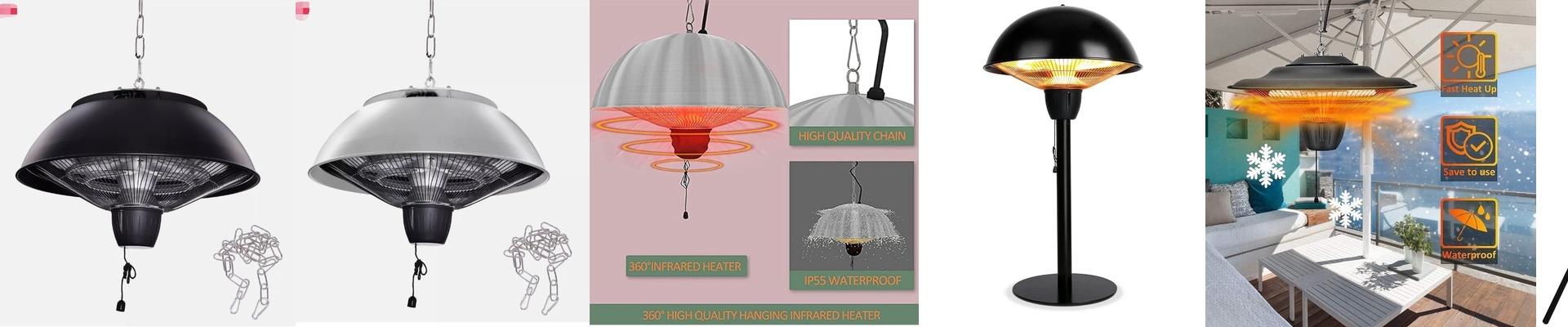
Ever stepped out of a hot shower into a freezing bathroom? It’s the worst. That’s why most ceiling heaters use shortwave infrared lamps. They get incredibly hot, incredibly fast, so you aren’t shivering while you towel off. But there’s a catch. Bathrooms are humid. You’ve got steam everywhere and the occasional stray water droplet. If a drop of cold water hits a scorching hot glass tube, it can crack. Or worse, shatter.
The “Explosion-Proof” Secret
To stop that from happening, we use high-purity quartz glass. It’s way tougher than your average glass when it comes to sudden temperature swings. But we don’t stop there. We add a special coating and a tension-relieving treatment to the tubes. Think of it as a safety net. If the glass does fail, the coating keeps it from splintering into a million shards. Instead, it stays held together. It’s a simple detail, but it’s the main thing keeping the high-voltage guts of the heater safe from you.
How the Heat Actually Works
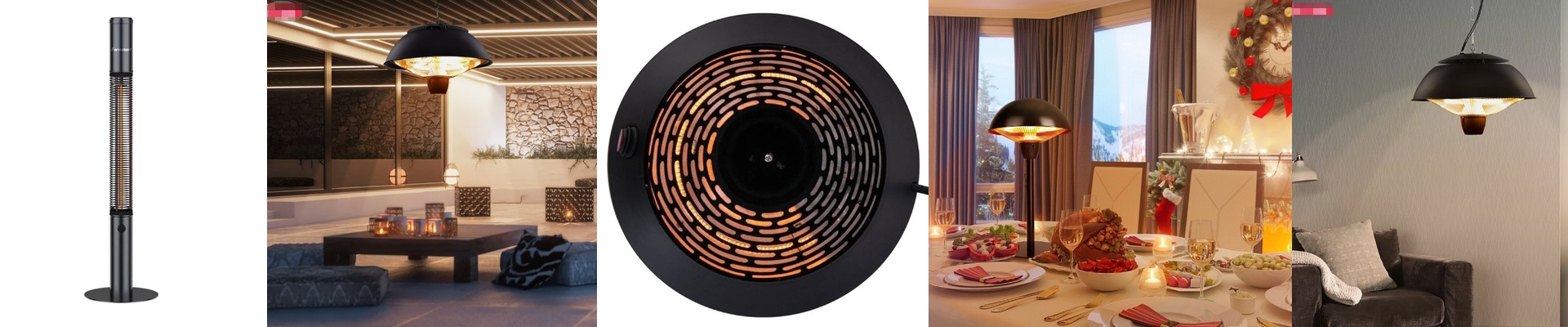
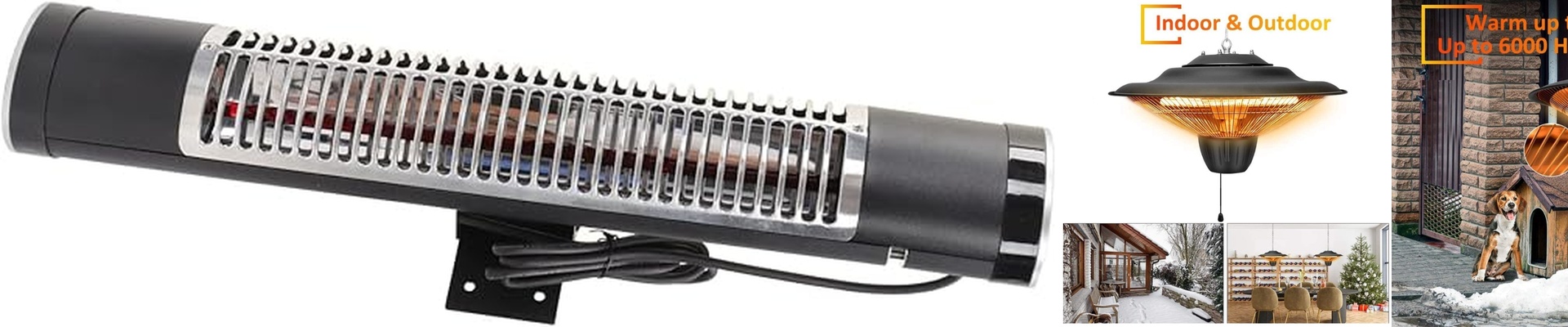
Most of these lamps run on 220V, pulling anywhere from 400W to 800W per tube. Inside, a tungsten filament does the heavy lifting. Here is the cool part: it’s shortwave emission. Instead of trying to warm up all the air in the room (which takes forever), the heat travels in a straight line. It hits your skin directly. That’s why you feel the warmth the second you flip the switch. Just a heads-up on the hardware—make sure your fixture housing can handle the heat. These things get intense. If the housing is too tight or cheaply made, you might actually melt the plastic mounts.
Keeping Things Running
Replacing these tubes is easy—they just push right in. But if you want them to last, give the contact points a look every six months. Steam causes corrosion, and that gunk creates electrical resistance. If that happens, the terminals can overheat and burn out the whole socket. And here is a pro tip:don’t touch the quartz with your bare hands. I know it sounds weird, but the oils from your skin leave invisible marks. Those marks create “hotspots” on the glass, which can make the tube fail way sooner than it should. Use a clean cloth or gloves, and you’re golden.