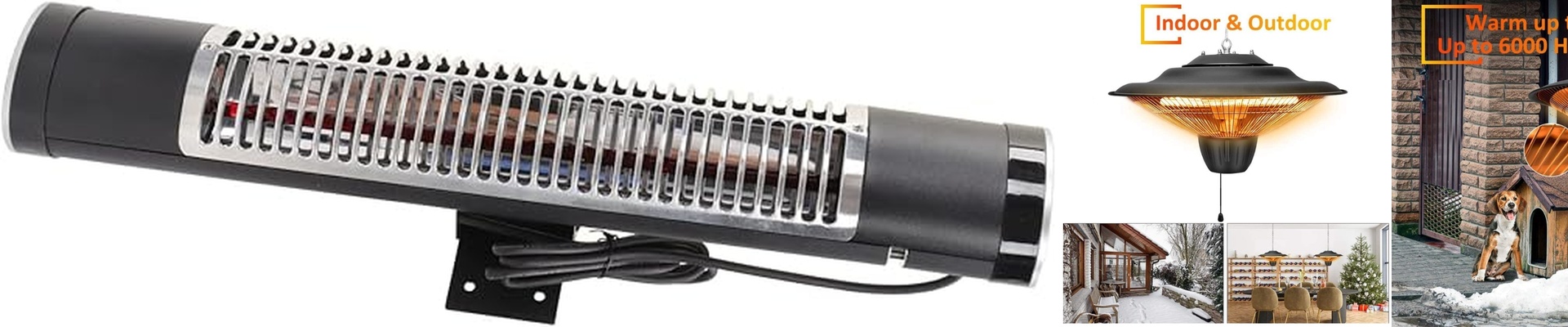
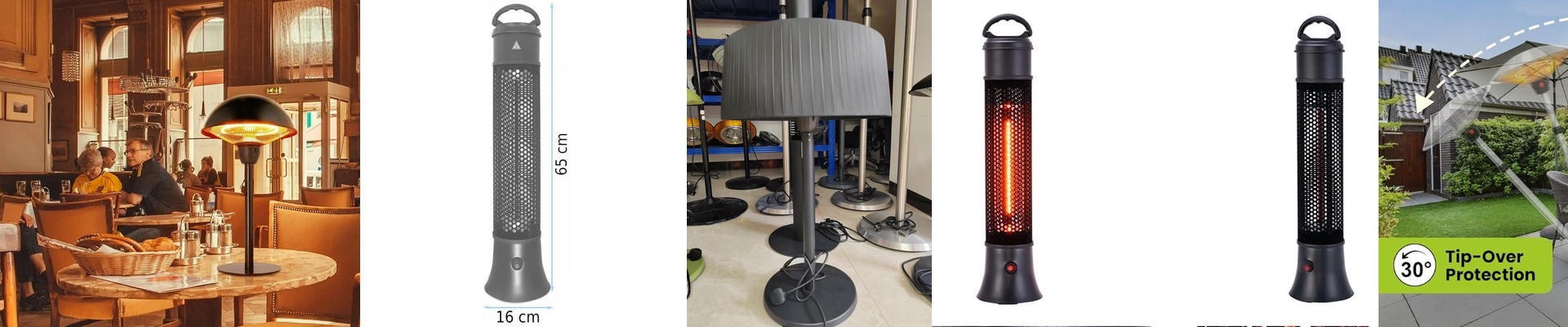
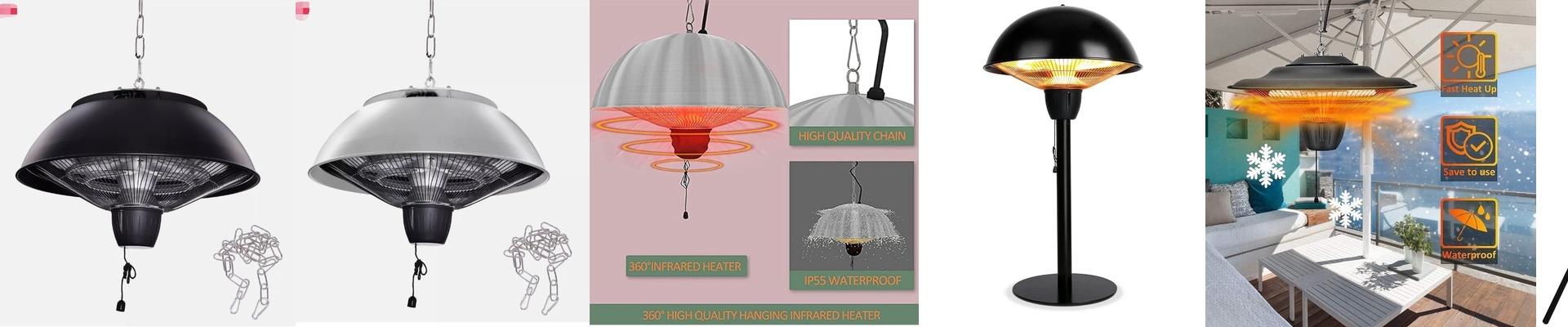
Why we stopped building “disposable” outdoor heaters
Most companies spend all their time obsessing over the IP66 seal. They make sure the heater is waterproof on day one, and then they stop thinking about it. But here’s the thing: we care about what happens five years down the road. Because eventually, a heating element is going to burn out. In a typical sealed unit, replacing that tube is a nightmare. You usually have to rip apart the entire chassis, which almost always ruins the weather seal. It’s a mess. So, we changed the way we build these. The slide-out fix We turned the heating module into a slide-out assembly. Now, you don’t have to mess with the internal control box or rewire anything just to swap a tube. The element sits in its own cradle with quick-disconnect terminals. When a tube dies, you just pull the module out, drop in a new one, and lock it back into the housing. It takes minutes. Not hours. Dealing with the heat Keeping things waterproof while making them easy to access is a tricky balance. To make it work, we use reinforced seals and compression gaskets around the access points. Just a heads-up: these are short-wave infrared units, so they get incredibly hot. Make sure your mounting surface has plenty of airflow. If you block the breeze, you’re asking for the internal wiring to overheat during a long shift. Real-world repairs If you’ve ever spent time in the field, you know that technicians hate annoying fasteners. We switched to standardized captive screws for the outer shell. Why? Because nobody wants to drop a tiny screw into the mud during a freezing winter repair. It’s a small detail, but it saves a lot of swearing on the job. The best part is that you can keep spare tubes on-site. You don’t need to call in a specialist every time a part fails. You just swap it and get the heat back on. It turns the heater from a piece of industrial junk you throw away into a tool you actually own.