

Stop the Shards: Keeping Your Wafers Clean When Lamps Fail
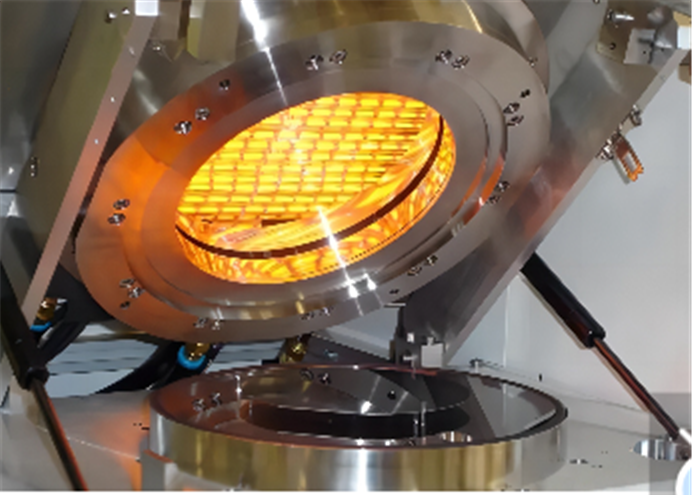
Let’s be honest. When a lamp burns out in a high-load production run, it’s a nightmare. It isn’t just about swapping a part. It’s a mess. When a quartz tube pops, you’ve got glass shards and chemical gunk raining down right onto your wafers. That’s an instant kill for the whole batch. Then comes the fun part: spending hours scrubbing the chamber just to get back to zero. We’ve spent a lot of time figuring out how to stop that from happening. Why do these tubes actually break? Usually, it comes down to thermal shock or those annoying little hotspots. When you’re pushing a ton of wattage through a thin quartz envelope, even a tiny shift in the filament can create a heat spike. The quartz takes the hit, stresses out, and eventually just cracks. To fix this, we use high-purity synthetic quartz with really tight wall thickness. It sounds like a small detail, but it means the heat spreads evenly. No spikes, no surprises, and way fewer catastrophic blow-outs. Adding a safety net We decided to stop leaving the lamps exposed. Instead, our safety-spec heaters use protective sleeves. Think of it as a containment shield. If a tube fails, the sleeve catches everything. The debris stays trapped in the sleeve, and your wafers stay pristine. You just swap the lamp and get back to work without the dreaded deep-clean of the entire production line. The balancing act Of course, there’s always a trade-off. Everyone wants faster ramp-up times, but pushing the halogen cycle too hard increases the internal pressure. Here’s a tip: keep an eye on your PID controllers. If they’re too aggressive with the on-off cycling, you’re putting way more mechanical stress on the seals than a steady load would. And don’t forget the airflow. If your cooling system isn’t handling the heat around the connectors, the end-caps will give out way too early. Keep the air moving, and your lamps will last a lot longer.