
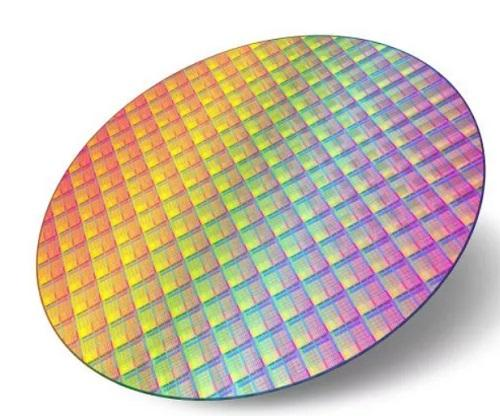
Why Your Wafer Curing Needs a Better Reflector
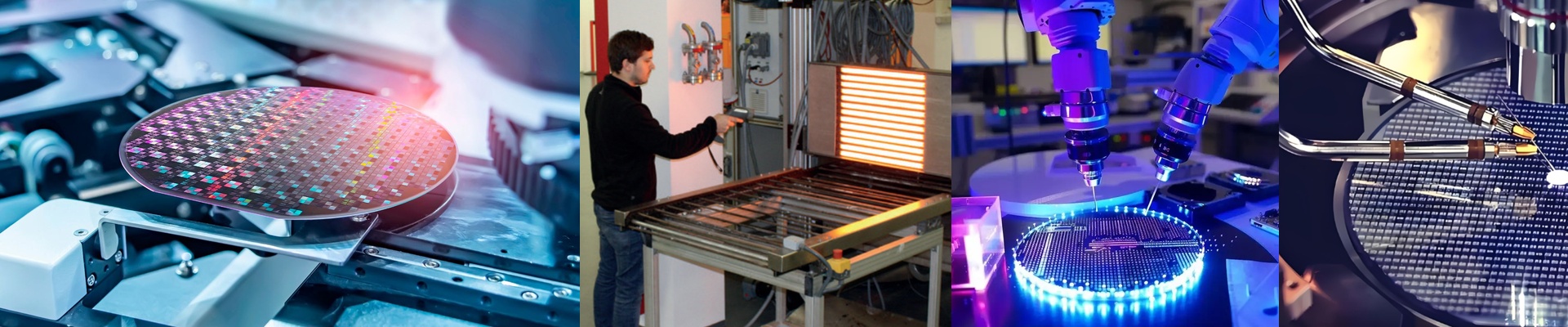
If you’re still relying on hot air circulation for semiconductor deep processing, you’ve probably felt that annoying drag in your workflow. I’m talking about the “waiting game”—that dead time where you’re just standing there, staring at a furnace, waiting for it to finally hit the right temperature. It’s a waste of time. And in this business, time is everything. Moving to infrared (IR) heating changes the whole vibe. Instead of heating up a big tank of air and hoping that air eventually warms up your wafer, IR just hits the surface directly. No middleman. No waiting for the wind to blow. But here’s the catch: IR only works if you have a killer reflector. Think about it. Without a high-quality gold or aluminum coating, half of your expensive energy just bounces backward into the machine’s chassis. That’s not just inefficient; it’s a waste of money. A precision-engineered reflector catches that energy and pins it exactly where the wafer sits. The difference in speed is wild. We’re talking seconds versus minutes. When you switch to IR, you can often slash your curing cycle by 40% to 70%. Plus, your floor plan opens up. You can get rid of those massive, clunky blowers and all that insulated ducting that just gets in the way. Of course, it’s not as simple as just swapping a fan for a lamp. IR is picky. It’s directional. If your reflector is off by even a couple of degrees, you’re going to end up with hot spots. That leads to warping or uneven curing, which is basically a nightmare for quality control. And you’ve got to watch the heat load. High-wattage IR arrays get incredibly hot—fast. If your cooling system isn’t built to pull that heat away from the electronics, you’re going to fry your controllers. That’s why we spend so much time obsessing over the surface geometry of the reflector. It’s a delicate dance between raw power and making sure that heat is spread perfectly across the wafer. It’s about getting the job done fast, but doing it right.