Keeping Infrared Heaters Safe in Wet Zones
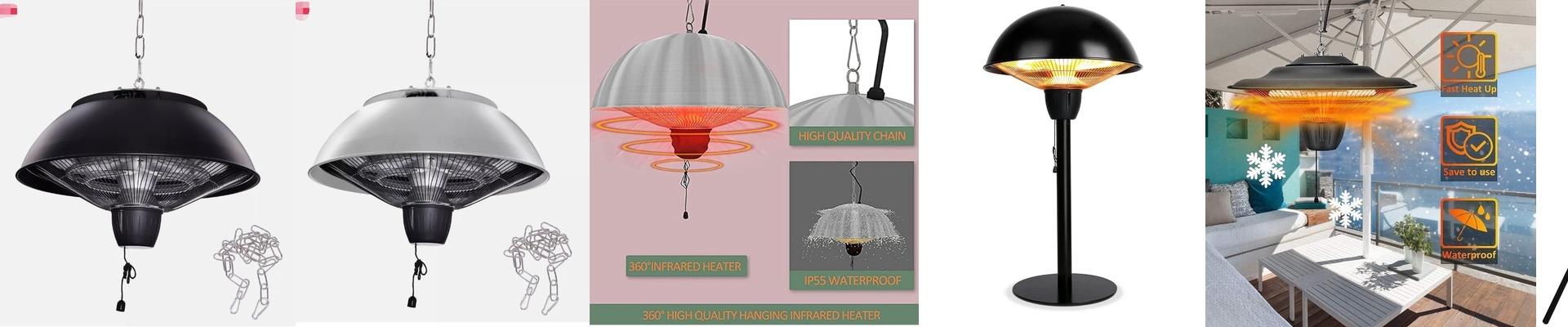
Putting infrared lamps in a bathroom or a steam room is a bit of a gamble if you aren’t careful. Water vapor is sneaky. It finds its way into standard housings, causes leakage currents, and—before you know it—you’ve got a short circuit on your hands. To stop that from happening, we lean heavily on IP65-rated enclosures. But it’s not just about the box. It’s about making sure the actual circuitry stays bone-dry.
Where things usually go wrong
An IP65 rating is great—it means the unit is dust-tight and can handle a water jet—but the outer shell isn’t the whole story. The real danger zones are the connection points. That’s where the leads meet the quartz tube. If water hits an uninsulated R7s or Sk15 base, it creates a direct path to the chassis. Not ideal. We fix this by using high-temperature silicone seals and epoxy potting. Think of it like shrink-wrapping the electronics in a waterproof shield so moisture never even gets a chance to touch the live terminals.
Dealing with the heat
We use quartz glass for the envelope because it doesn’t crack when you flip the switch and it hits high temps instantly. But quartz is fragile. To keep the electricity where it belongs, we use ceramic insulators at the end-caps and make sure the mounting brackets are either non-conductive or properly grounded. Here’s a pro tip: keep an eye on those seals. Extreme heat cycles eat away at cheap gaskets. Over time, they start to “creep,” and that’s when moisture seeps in. I’d suggest checking the seal compression every 12 months. It takes two minutes, but it saves you from a total burnout.
The trade-offs
First off, you absolutely need a dedicated GFCI breaker. No exceptions. Then there’s the heat issue. These lamps put out a lot of energy, and that ambient heat can dry out standard rubber seals until they just crack. If you’re running a high-temp steam environment, go with fluorosilicone gaskets. They cost a bit more upfront, but they won’t flake off and fall apart after six months of heavy use. It’s just a smarter way to build.