



Why We Use Gold Reflectors in the Fab
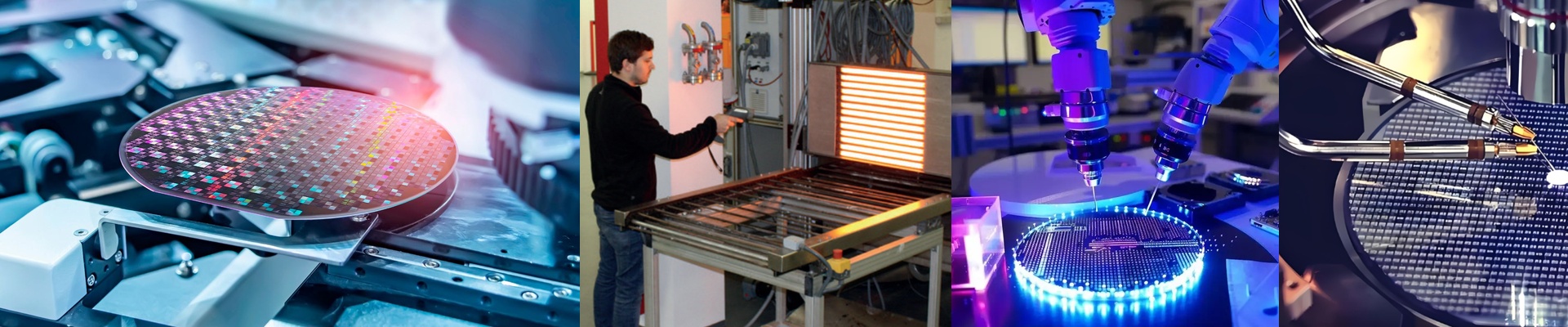
If you’ve ever worked in semiconductor manufacturing, you know the struggle. One tiny temperature swing and your wafers warp. Or worse, you get contamination that kills the whole batch. It’s a constant battle for precision. To handle this, we use IR bulbs. But the real secret isn’t the bulb itself—it’s the gold reflectors we wrap around them. Instead of letting heat bleed out everywhere, these reflectors push that energy straight onto the surface where it actually belongs.
The Logic Behind the Gold
Most people start with aluminum reflectors. They’re cheap. But here’s the problem: aluminum sucks up a decent chunk of IR energy. It just absorbs it. Gold is different. It barely absorbs anything. In the infrared spectrum, gold reflects over 98% of the energy. Basically, almost every single watt the filament produces gets shoved forward. That gives you a much tighter beam and way more heat density. You hit your target temperatures faster. And when you ramp up quickly, the system doesn’t have to run as long. That means fewer kWh per wafer. Simple as that.
Stopping the Heat Leak
We talk a lot about “green” factories and carbon footprints these days. In a fab, the biggest energy hog is often the HVAC system. Why? Because it’s working overtime to fight the waste heat coming off inefficient heaters. When you use gold reflectors, you stop that heat from leaking into the chassis. It’s a double win. You use less power to heat the wafer, and your chillers don’t have to sweat as hard to keep the room cool. That’s how you actually make a dent in your energy bills.
The Catch (Because there’s always one)
Now, I’m not saying gold is a magic fix for every budget. It’s expensive. Way more than polished aluminum. And you can’t just “set it and forget it.” Gold is picky. If a bit of dust builds up or the surface gets dirty, your reflectivity tanks. You’ll start seeing hot spots on your wafers, and suddenly those efficiency gains vanish. If your maintenance team isn’t on top of the cleaning, you’re just wasting money. Save these for your high-throughput lines. That’s where the energy savings actually pay for the gold.