
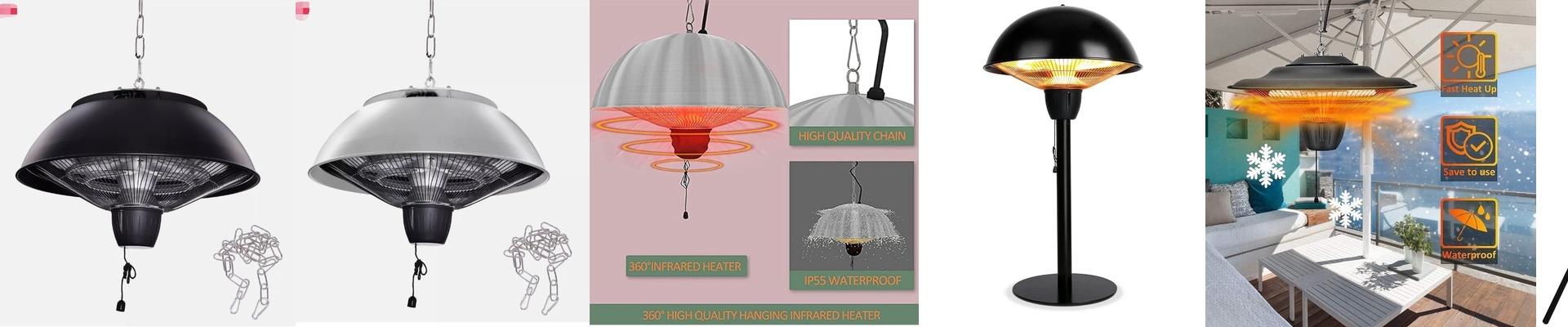
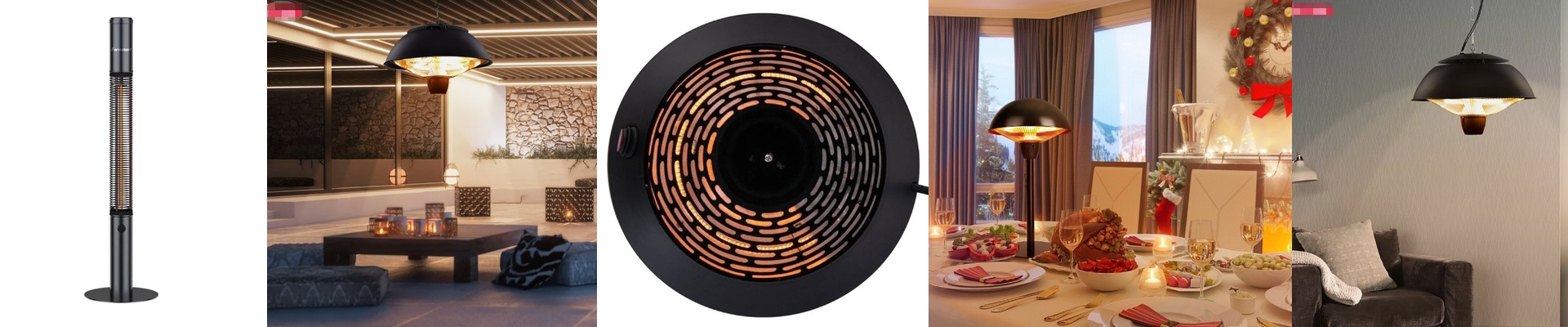
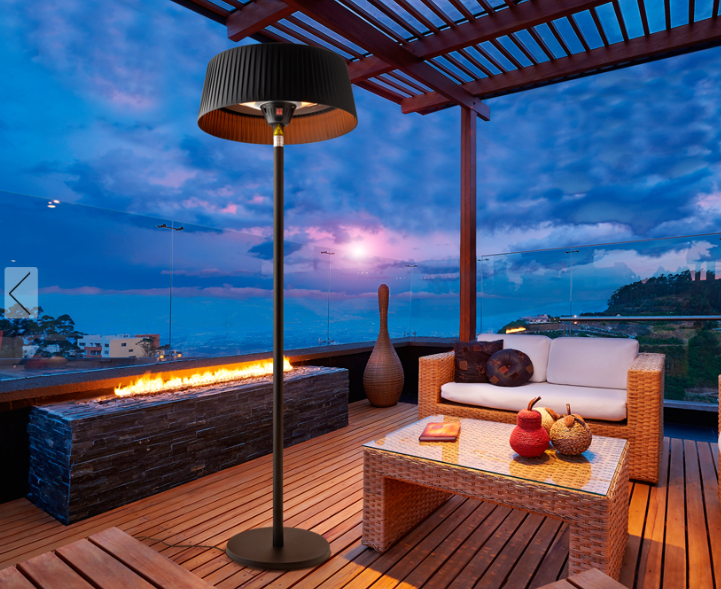
A half-open commercial corridor is a tough spot to heat. Drafts sneak in, foot traffic keeps opening and closing the space, and comfort has to stay steady without the energy bill running away. When the air turns sharp, weak heat means empty seats and staff working in the cold.
What matters, technically
We built this commercial patio heater around radiant infrared warmth—so the heat lands on people and tabletops, not on empty air. A carbon fiber element gives even output with quick response, and it runs off a standard electric supply, so install is straightforward. The efficiency comes from the smart motion sensor: it watches the aisle and pulls back the output when occupancy drops. Pair that with a thermostat that fine-tunes the heat, and you get steady comfort without wasted runtime.
Why it works in this setup
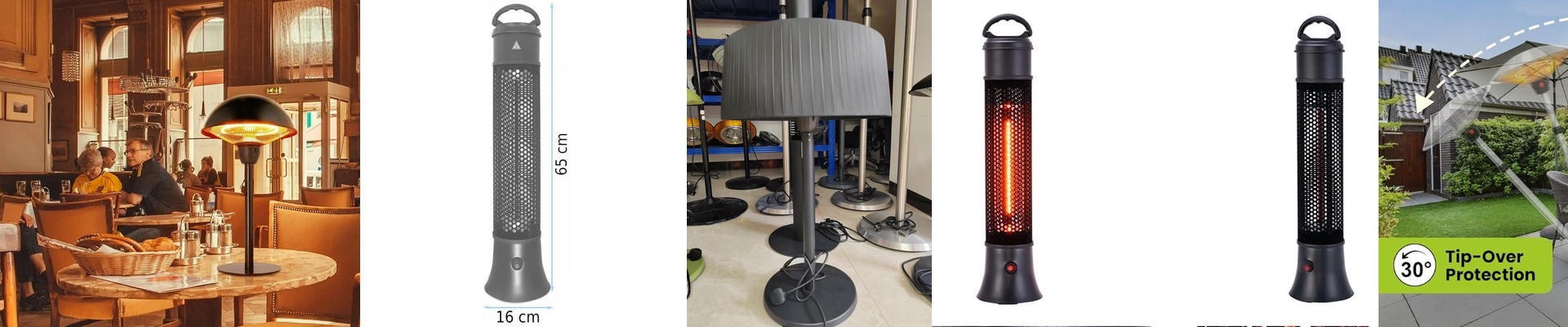
In a semi-open restaurant walkway, the sensor keeps the space welcoming the moment guests show up, then dials down when the corridor quiets. Patrons feel gentle radiant heat, not a blast of hot air, and staff aren’t dodging gusts or over-firing just to fight the cold. That targeted approach keeps energy use down while the heater quietly holds the right feel. For operations that want to run cleaner, you get lower impact without cutting warmth.
The details that make it work
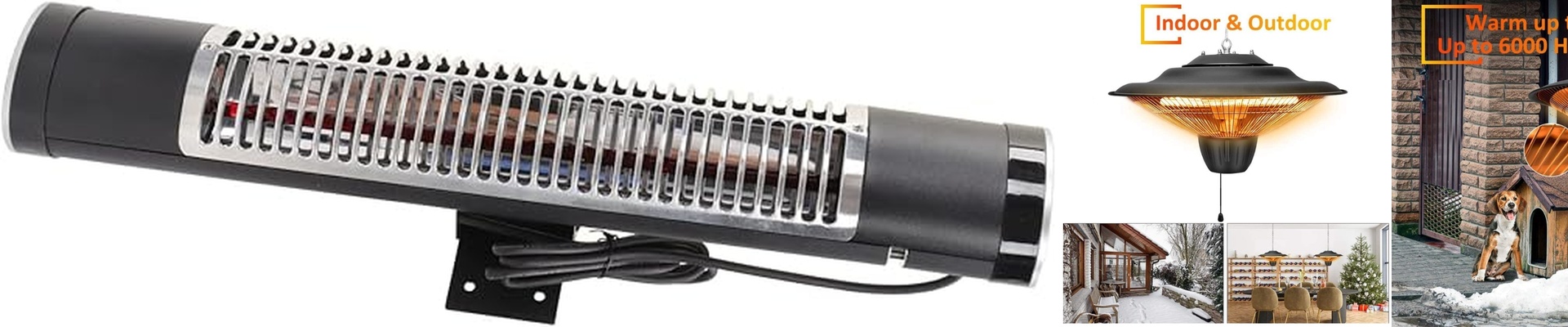
Infrared warmth is directional, so placement matters. Mount the unit so the beam covers seating and walking lanes, and set the sensor to read actual traffic—not drafts or passing shadows. The heater is built for outdoor use, but it still needs a weatherproof outlet and a cover when it’s not in use. Plan a clear service path around the unit, and you’ll keep the heat where it belongs—on your guests.