Stop Wasting Heat: A Smarter Way to Handle Semi-Fab Thermal Loads
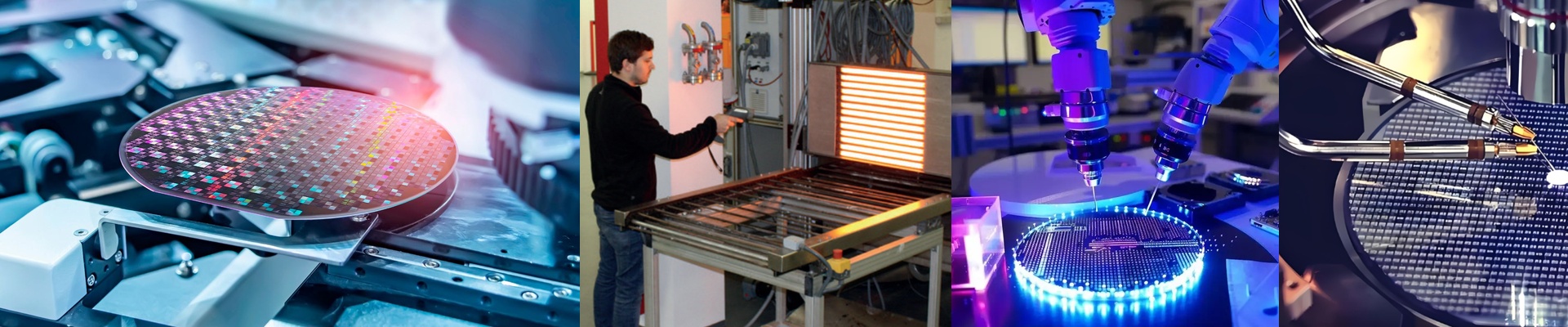
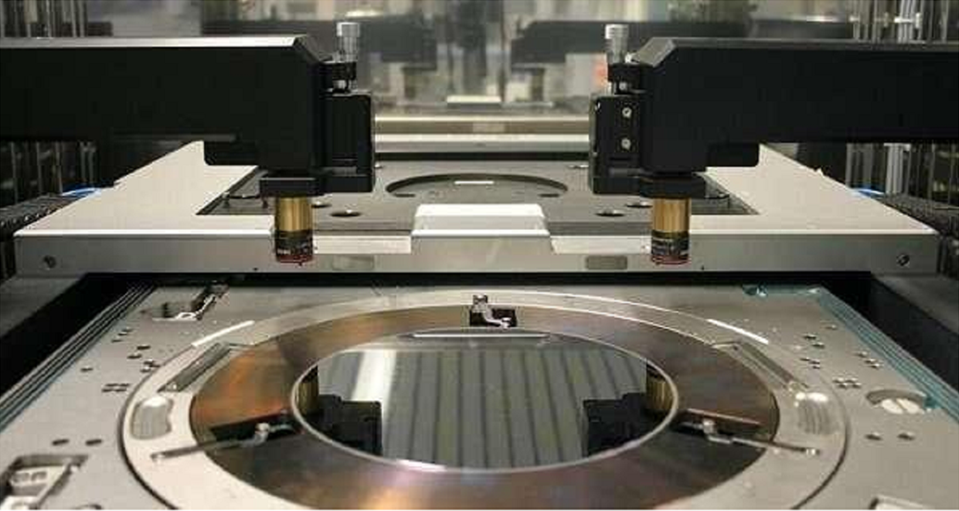
In semiconductor fab, we’re always walking a tightrope. You need to get rid of moisture and cure your wafers, but if you overdo the heat, you’ve just ruined a batch of delicate silicon. The old way? Heating the entire chamber like a giant toaster. It’s slow, it’s clumsy, and it wastes a staggering amount of energy. We’ve found a better way: digital IR dryer controllers. Instead of heating the air around the wafer, these target the substrate directly. It’s a cleaner approach that actually makes a dent in a factory’s carbon footprint.
How the heating actually works
Think about those old-school relays. They just click on and off. It’s blunt. Digital IR controllers are different. They use high-frequency switching and PID loops to keep the temperature exactly where it needs to be. No guessing. The result? You ramp up to temperature way faster. Because the wafers aren’t soaking in heat for nearly as long, you don’t have to worry as much about thermal warping. It’s just a smoother process.
Getting the hardware right
If you’re trying to build a “Green Factory,” the controller is where you’ll find your biggest wins. We pair these with high-wattage quartz lamps, and the best part is the digital interface. You can actually tune the power curve based on how thick your material is. But here’s the thing: you have to keep an eye on your electrical overhead. High-density IR arrays pull a lot of current. If you crank the wattage just to push more wafers through, your cooling fans and exhaust systems have to kick into overdrive to keep up. Suddenly, those carbon savings you were chasing start to disappear. The trick is finding that sweet spot between lamp density and the controller’s duty cycle. Do it right, and your filaments last longer.
The real-world impact
When you ditch convection and move to controlled IR, the “warm-up” waste basically vanishes. We’re seeing a real, measurable drop in kWh per wafer. Since these are often drop-in replacements for legacy thermal stages, you don’t have to tear your whole line apart to make it happen. You shrink the heating zone and stop spending energy just to keep the room hot. That’s how you actually hit those carbon-neutral goals on the shop floor, rather than just talking about them in a boardroom.