Keeping Your Wafer Cleaning Tools from Going Boom
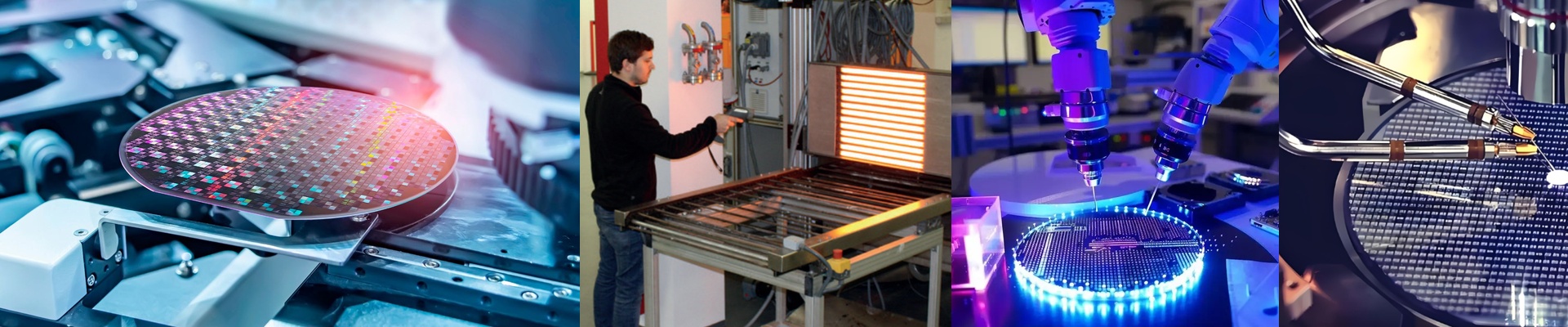
Let’s be honest: putting IR heating lamps inside a chemical cleaning zone is a bit like playing with fire. When you’ve got flammable solvents floating around, a single tiny spark or a leaky housing isn’t just a “technical glitch”—it’s a disaster. We build our lamps to handle that stress so you don’t have to stay awake at night worrying about it. Stopping the leaks The biggest threat is chemical vapor sneaking into the electrical terminals. To stop that, we don’t just “seal” the lamps; we wrap them in a multi-layer encapsulation. We use heavy-duty, chemically resistant potting compounds at the ends to create a wall that flammable gases simply can’t get through. And because we use specific coatings on the quartz glass, you still get the heat you need, even with all that extra protection on the outside. Dealing with the heat Consistency is everything here. If you get hot spots on a wafer, you’re in trouble. We use precision-wound filaments to keep things even. But here’s the tricky part: materials expand and shrink when they heat up. If the seal and the quartz tube don’t move at the same rate, the seal cracks. And when the seal cracks, the lamp dies. We’ve matched those expansion rates perfectly so the lamps can handle rapid heat-up and cool-down cycles without breaking a sweat. The trade-off Now, there’s a catch. Adding all this shielding makes the lamp assembly a bit bulkier. You’ll notice the heat source sits slightly further away from the wafer than it would with a bare lamp. It’s a small gap, but it matters. You’ll just need to tweak your PID tuning and power settings to make up for that slight dip in direct heat. At the end of the day, we’ve built these to take a beating from corrosive fumes while keeping the electricity exactly where it belongs. You get a part that drops right into your system, meets every safety rule, and still packs the heat density your process demands.