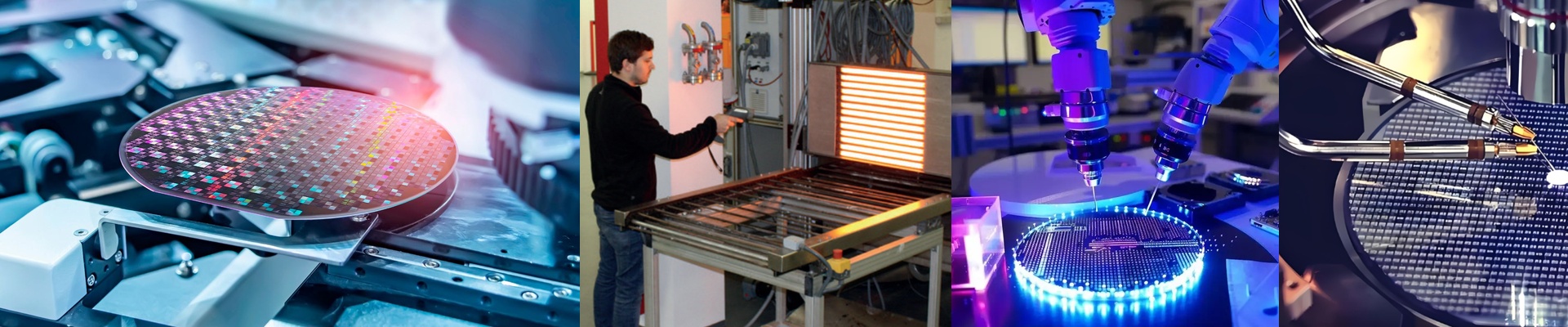
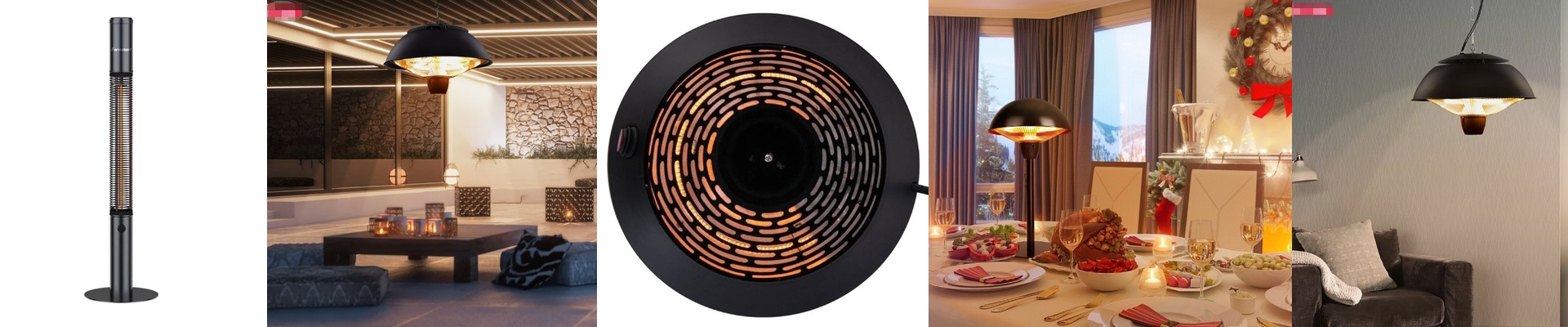
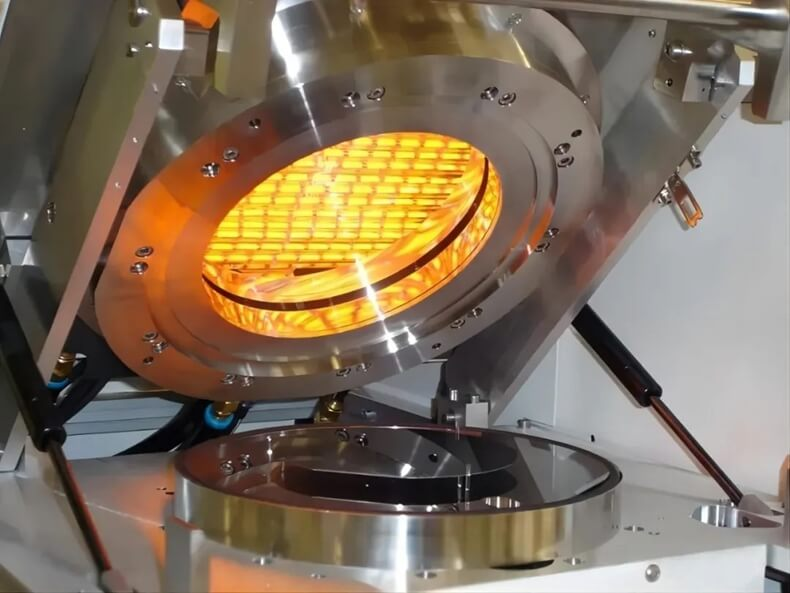
When you’re drying MEMS sensor wafers after a chemical clean, you need heat—and you need it fast. But here’s the problem: doing that around flammable solvents is basically like playing with fire. Not in a metaphorical way, but in a “this could actually blow up” way. That’s why we use specialized infrared (IR) lamps. They get the job done without turning your workspace into a hazard zone. Keeping things sealed Standard IR lamps are open-element. In a room full of volatile chemical vapors, that’s a huge liability. One spark or one overheating element and you’ve got a disaster on your hands. To stop that from happening, we tuck the lamps inside a tough quartz or stainless steel housing. Think of it as a physical shield. We use high-temp gaskets and hermetic seals to make sure fumes stay out of the electronics and no heat leaks out to create dangerous hot spots on the chassis. It’s all about peace of mind. Getting the temperature right You can’t just blast these wafers with heat; they’ll warp. We balance the wattage-to-length ratio carefully to keep things stable. By using short-wave IR, the heat punches right through the liquid film on the wafer surface. It’s quick. Efficient. It means your wafers spend way less time in the danger zone. But you can’t just “set it and forget it.” You need a fast-acting PID controller. If your airflow dips or the conveyor stalls, those lamps need to kill power instantly. Otherwise, you’re just baking your wafers—or worse, burning out the housing. The reality of the design Now, nothing is perfect. That sealed housing is great for safety, but it adds thermal mass. What does that mean for you? Your ramp-up time will be a bit slower than it would be with an open-air lamp. You’ll just need to bake that little bit of lag into your process timing. One last tip: keep an eye on your cable shielding. Some IR power supplies use high-frequency switching that can leak noise into your MEMS sensing equipment. A bit of proper grounding goes a long way here.